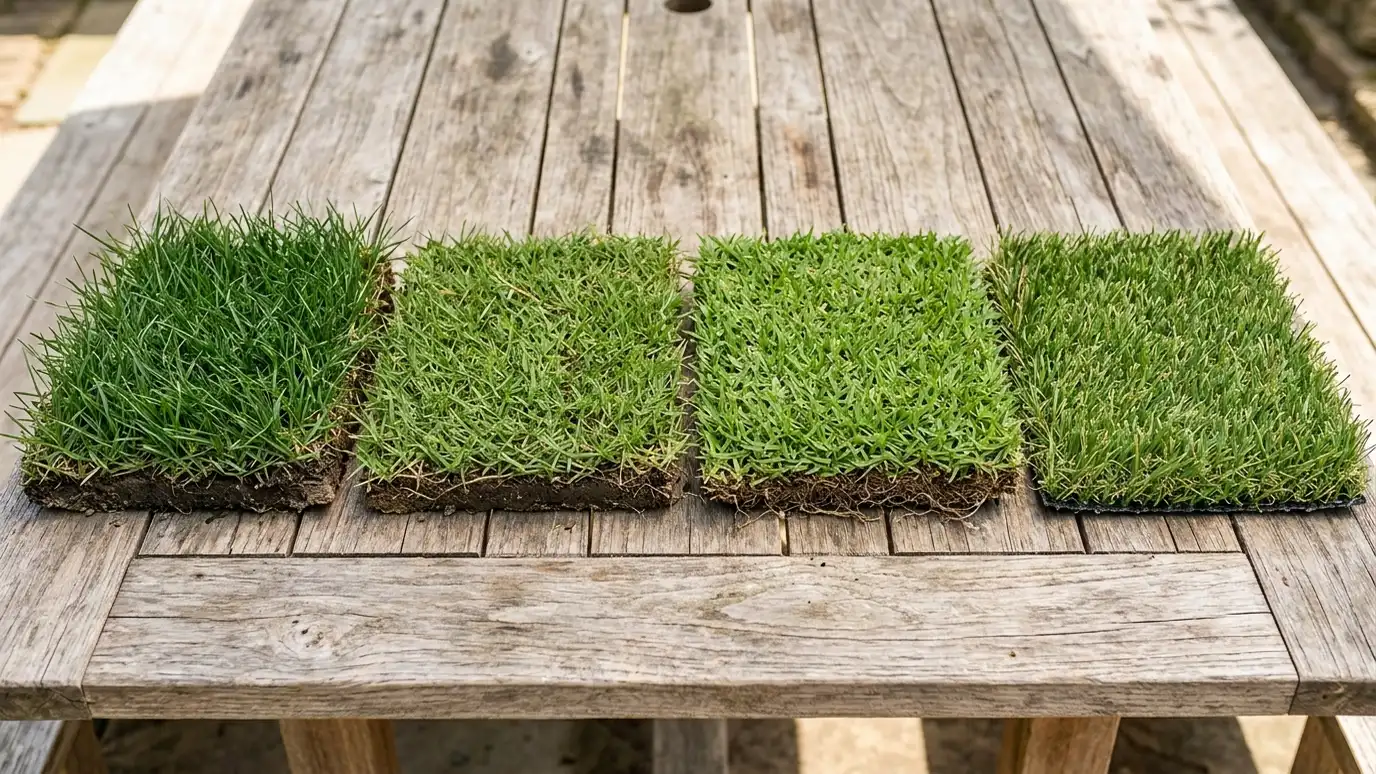
Start with sun
Count the hours of direct sun. Bermuda and zoysia need most of the day. Tall fescue tolerates shade and partial sun. A yard with mixed light may use different grasses in different areas or a shade-tolerant blend.
Light decides more than any other factor.
Think about traffic
Bermuda recovers from wear fastest. Zoysia is dense and tough. Fescue handles moderate traffic but does not repair itself. Kids, dogs and sports raise the stakes.
High-traffic lawns may need overseeding or sod patches often.
Consider winter color
Fescue stays green most of the year. Bermuda and zoysia turn tan after frost until spring. Some owners accept the winter rest, and others prefer constant green.
Overseeding bermuda with ryegrass adds winter color.
Water and care
Warm-season grasses use less water in summer. Fescue needs more water and care in the heat. Bermuda needs frequent low mowing. Zoysia grows slowly and needs less mowing.
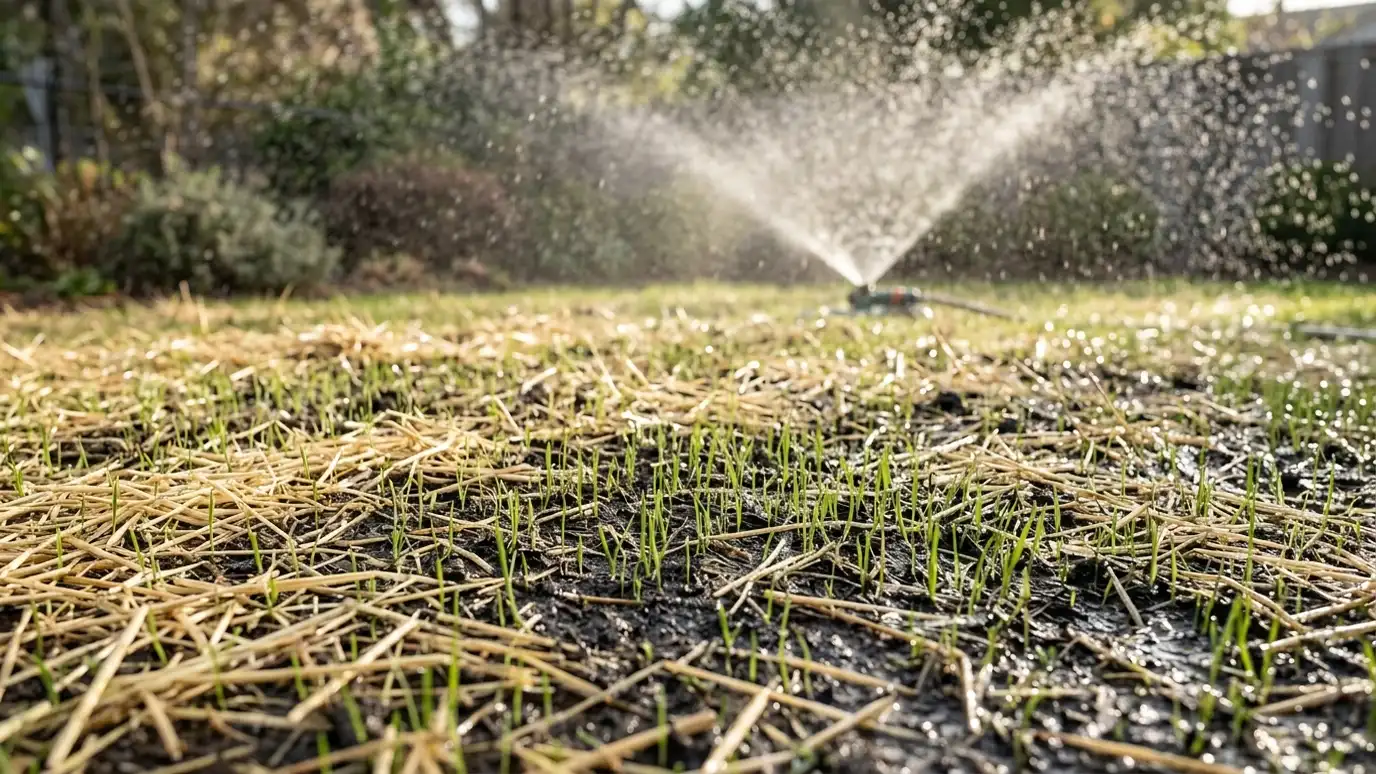
Irrigation helps all three.
Cost and installation
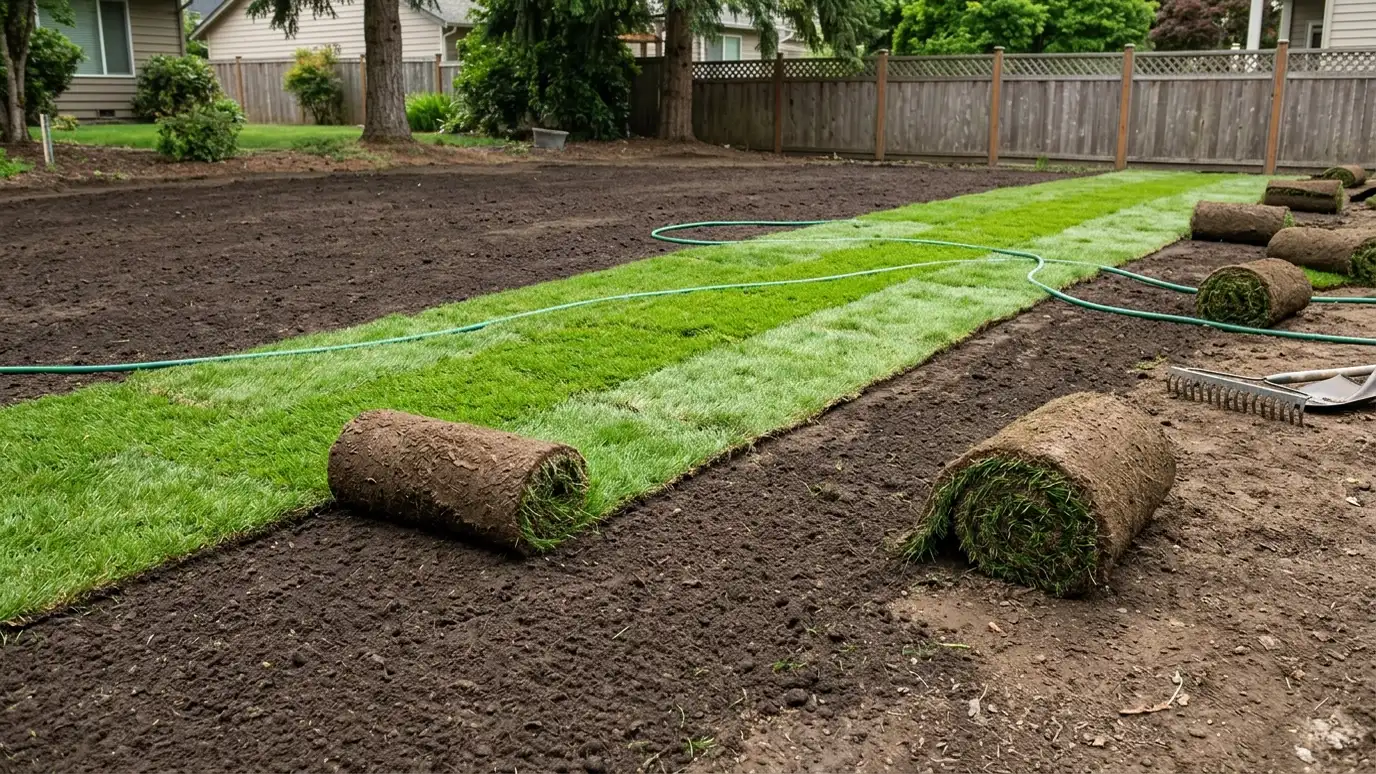
Fescue sod and seed cost the least. Bermuda sod costs more, and zoysia the most. Seed costs less than sod but takes longer. We help you weigh budget and timing.
Prepare the soil well, whichever you choose.
Our recommendation
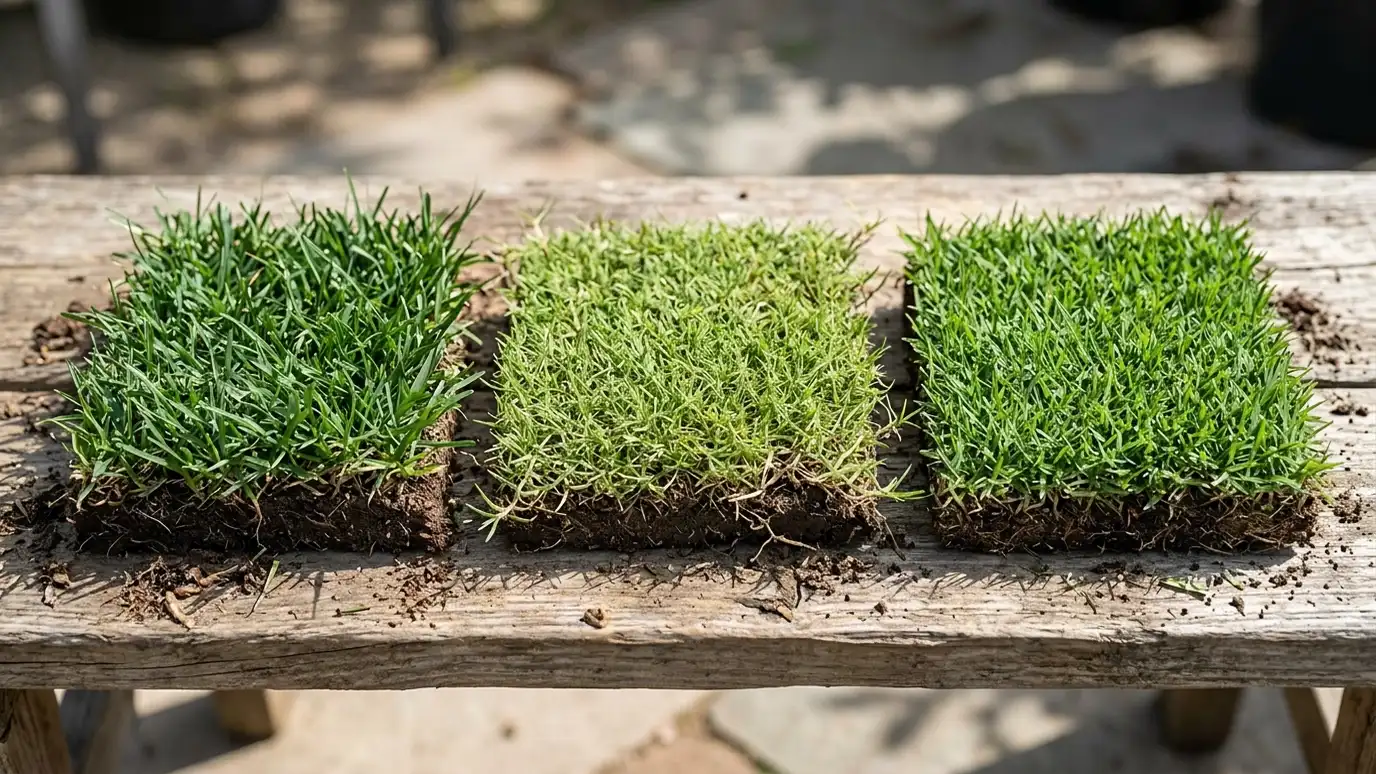
Shaded yards do best with tall fescue. Sunny, active yards do well with bermuda. Zoysia is a premium choice for a dense, soft lawn in sun. We walk your yard and recommend the best fit.
A good match makes lawn care easier for years.
A word on mixed yards
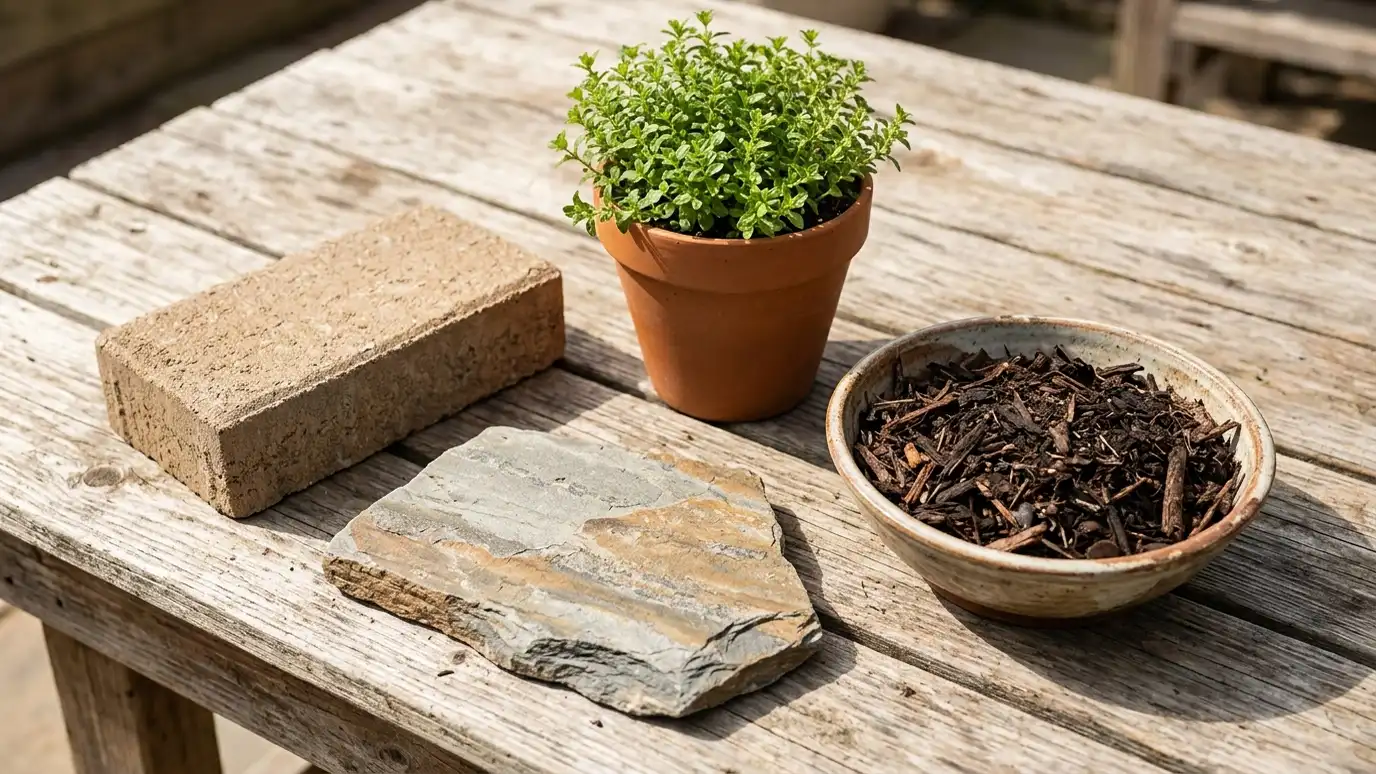
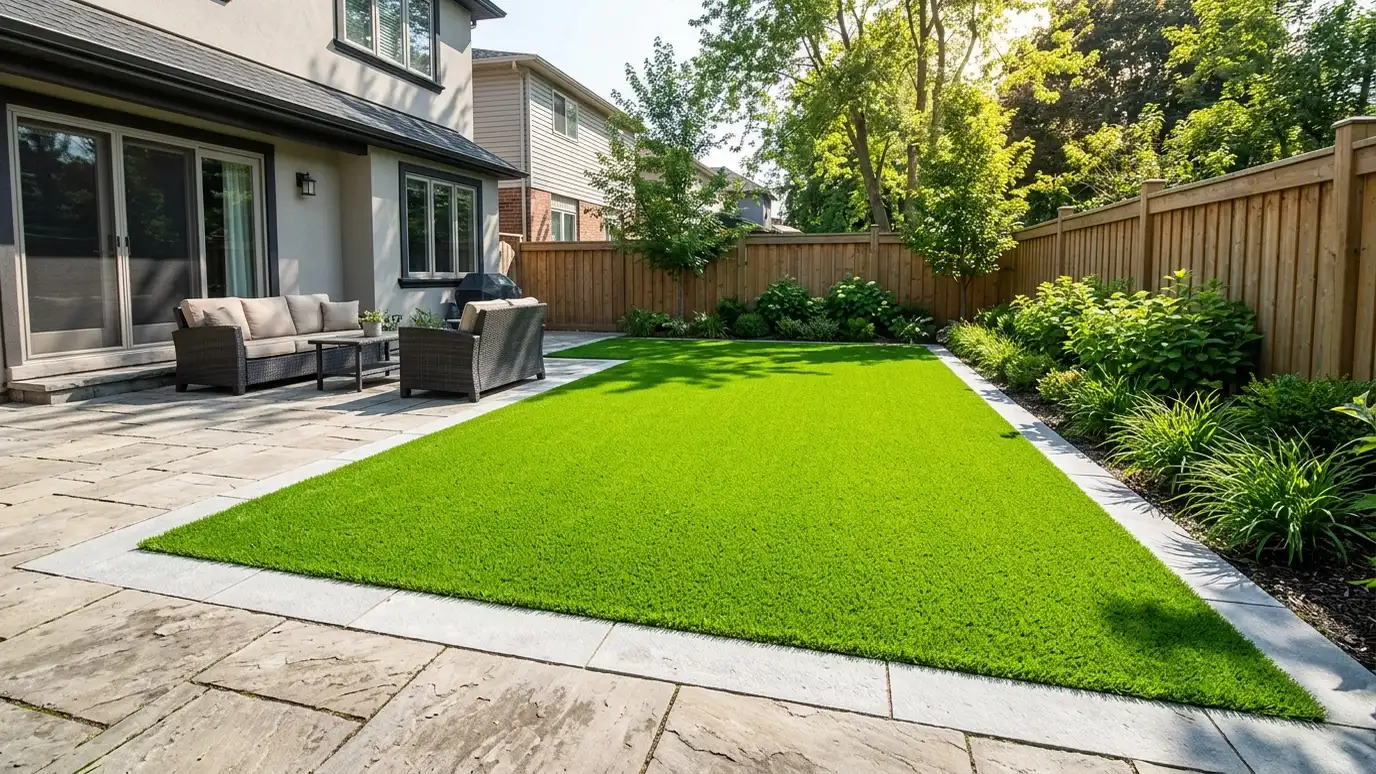
Many yards have both sun and shade. Rather than forcing one grass everywhere, use fescue in shady areas and warm-season grass in open sun, with a clear border so each stays where it belongs. A bed or hardscape strip makes a clean line.
Artificial turf and groundcovers can fill the toughest spots, such as deep shade under trees.
Pick the grass that fits your sun first, then your traffic, and accept the trade-offs: fescue in shade, bermuda in sun and zoysia for premium density.