Late winter
Apply a pre-emergent to stop crabgrass before it sprouts, usually when soil temperatures begin to rise in late February and March. Clean up winter debris and sharpen mower blades.
Avoid heavy feeding on dormant warm-season grass.
Spring
Feed fescue lightly and begin regular mowing at three to four inches. For bermuda and zoysia, wait until the grass has greened up before feeding. Treat broadleaf weeds as they appear.
Watch for early signs of disease and adjust watering.
Summer
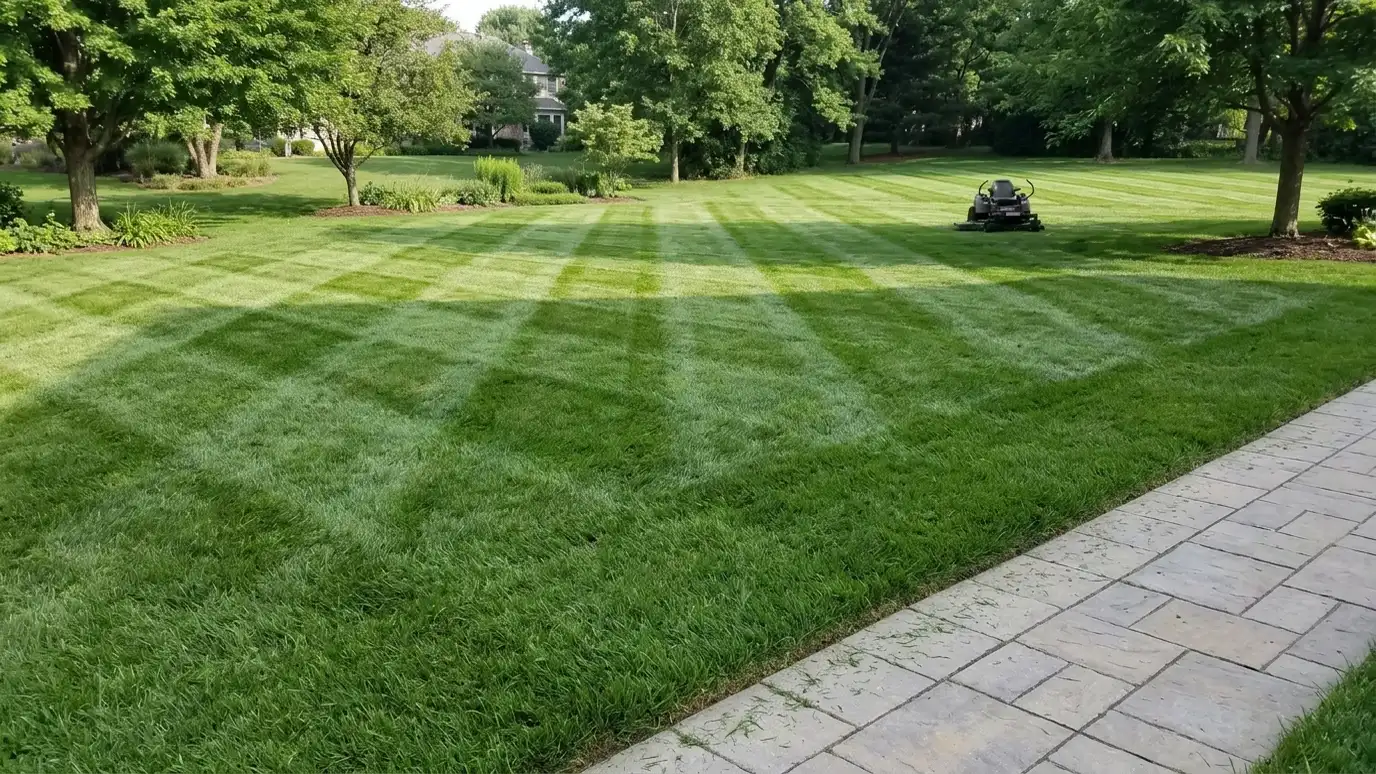
Mow high, water deeply and early and avoid heavy feeding of fescue. Warm-season grasses are at their best now and welcome nutrients. Watch for grubs, armyworms and brown patch.
Apply preventive grub control in early summer.
Early fall
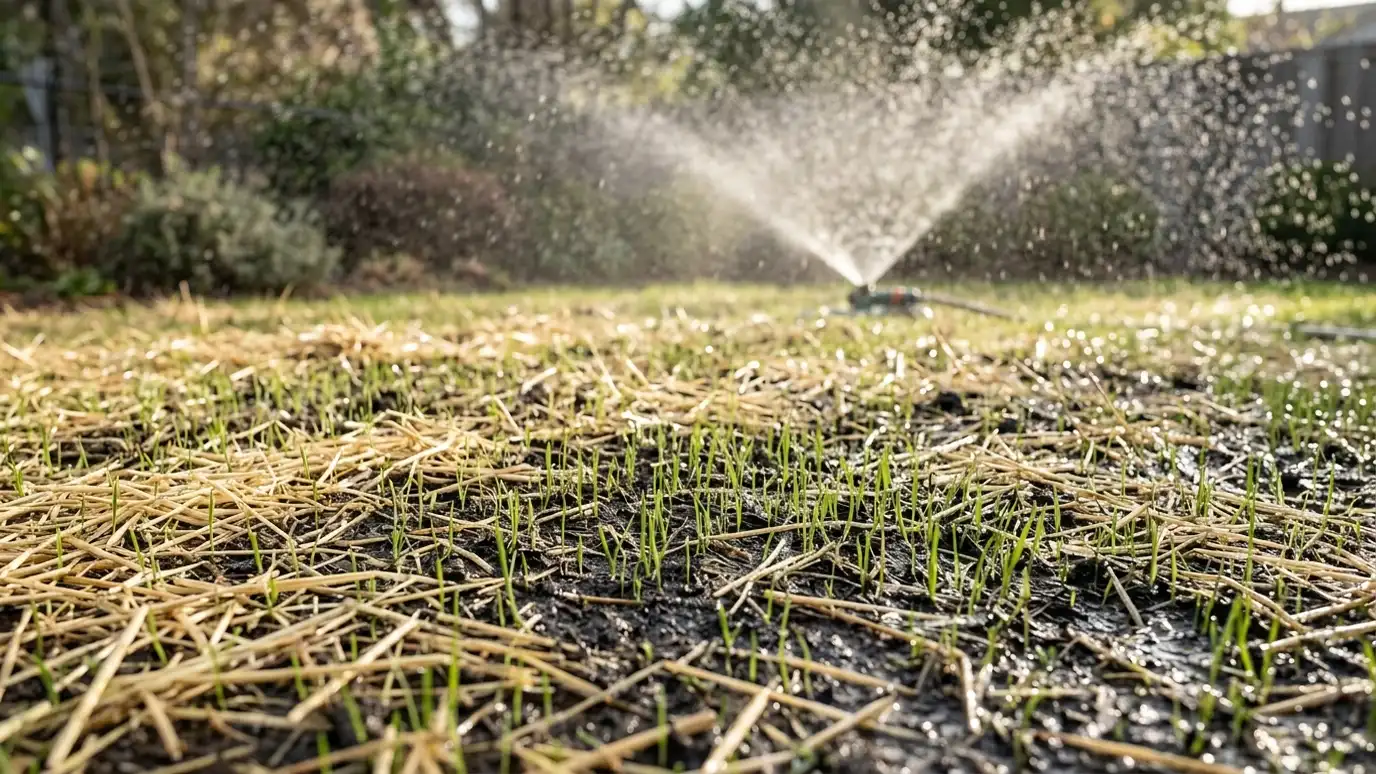
This is the best time to aerate and overseed fescue lawns. Warm soil and cool air help new grass sprout. Keep seed moist until it is established.
Test soil and apply lime if needed.
Late fall
Feed fescue again to build roots for winter. Keep leaves off the lawn and mow until growth stops. Winterize irrigation before the first hard freeze.
Apply a late-season weed treatment if needed.
Winter
Plan next year’s projects, service your mower and stay off frozen grass. Warm-season lawns are dormant and tan, which is normal.
Winter is a good time to prune trees and plan new beds.
Adjust for the year you are having
Weather does not follow the calendar. A warm February can bring crabgrass early, and a wet spring can bring disease sooner. Watch soil temperature and the forecast, and move applications a week or two as needed.
Keep short notes on what you did and when. Over a few seasons they show what your lawn really responds to.
Follow the seasons for your grass type: feed fescue in fall, feed warm-season grass in summer and stop weeds before they start in late winter.