Winterize irrigation
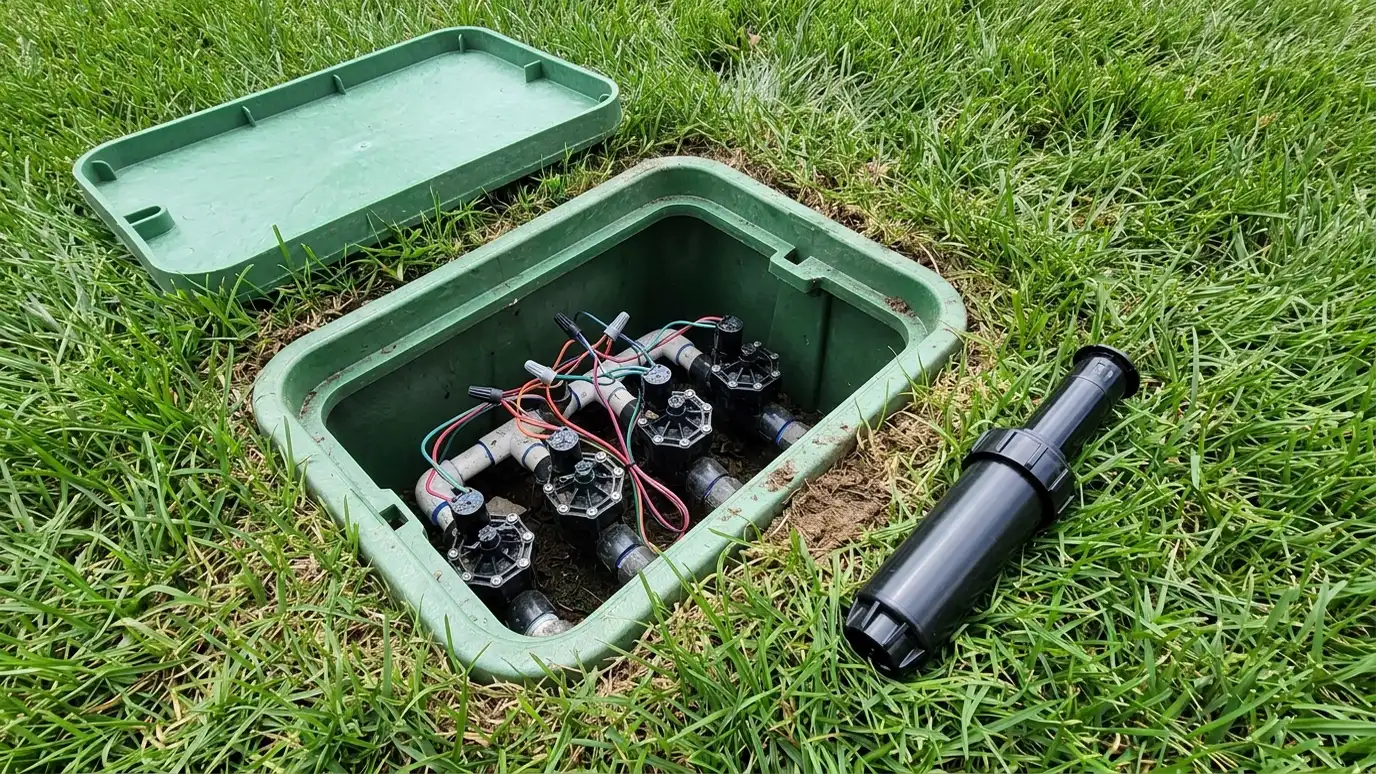
Blow out sprinkler lines and protect backflow devices before the first hard freeze, usually late October. Shut off and drain outdoor faucets and hoses.
A small blowout is far less costly than a burst pipe.
Protect tender plants
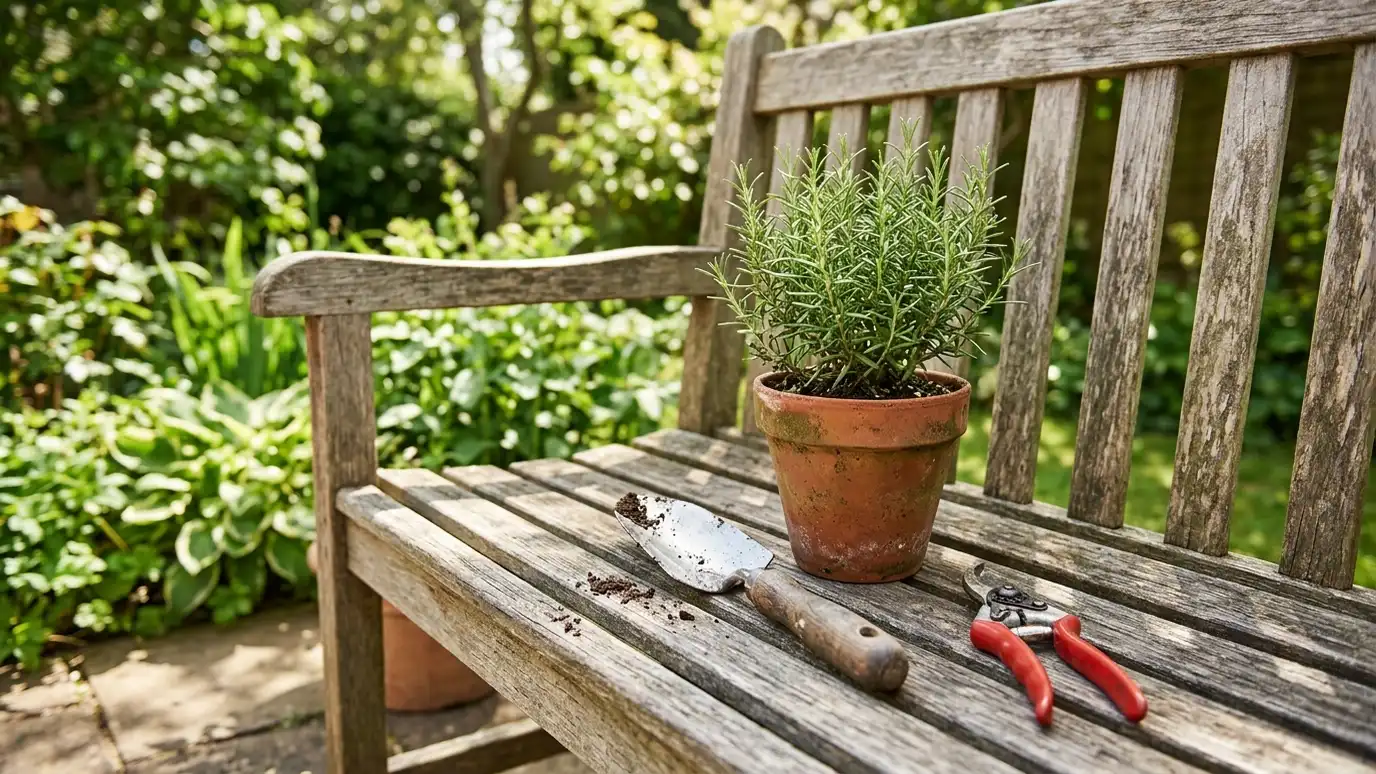
Cover tender shrubs and containers during hard freezes. Move potted plants to shelter. Add mulch over roots of marginal perennials.
Water evergreens during dry spells.
Prune in dormancy
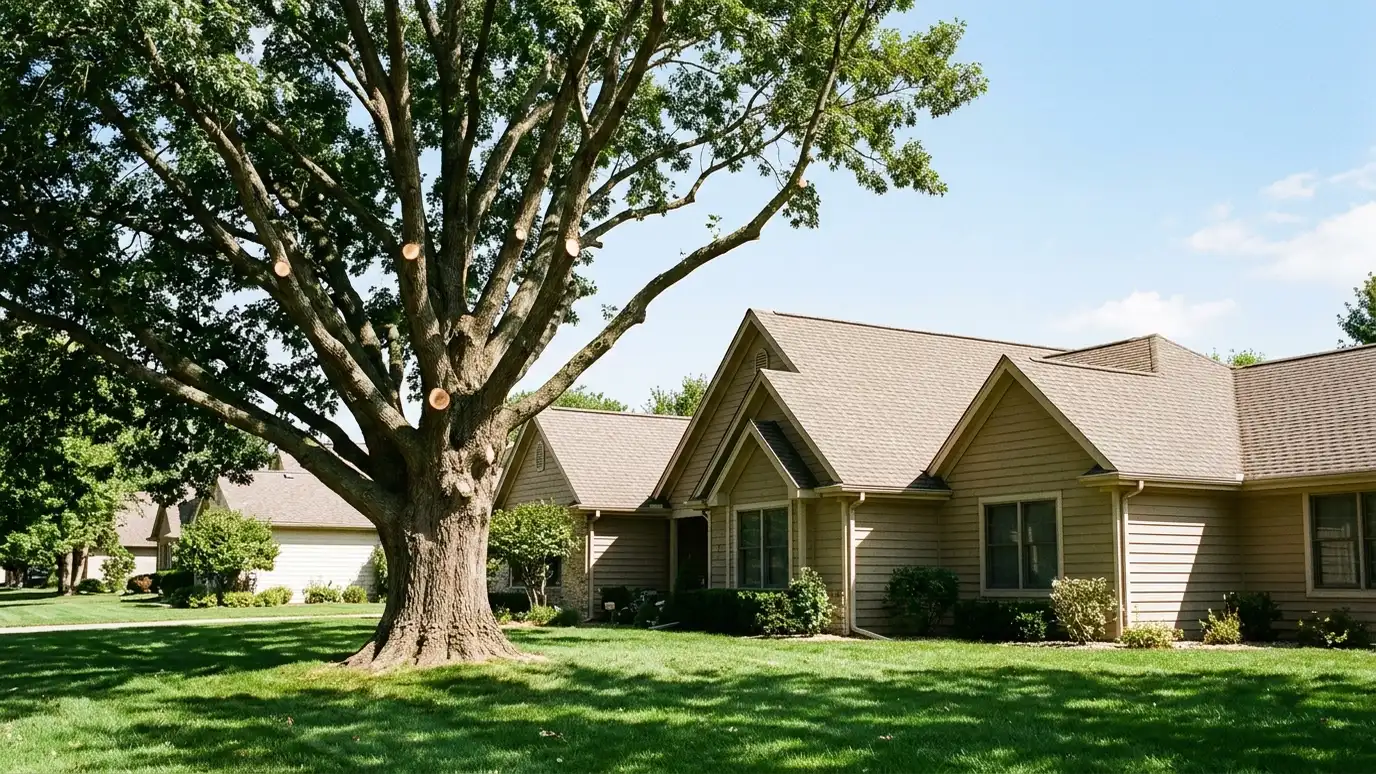
Late winter is a good time to prune many trees and shrubs, since structure is easy to see. Wait to prune spring bloomers until after flowers fade.
Remove broken branches after ice storms.
Care for the lawn
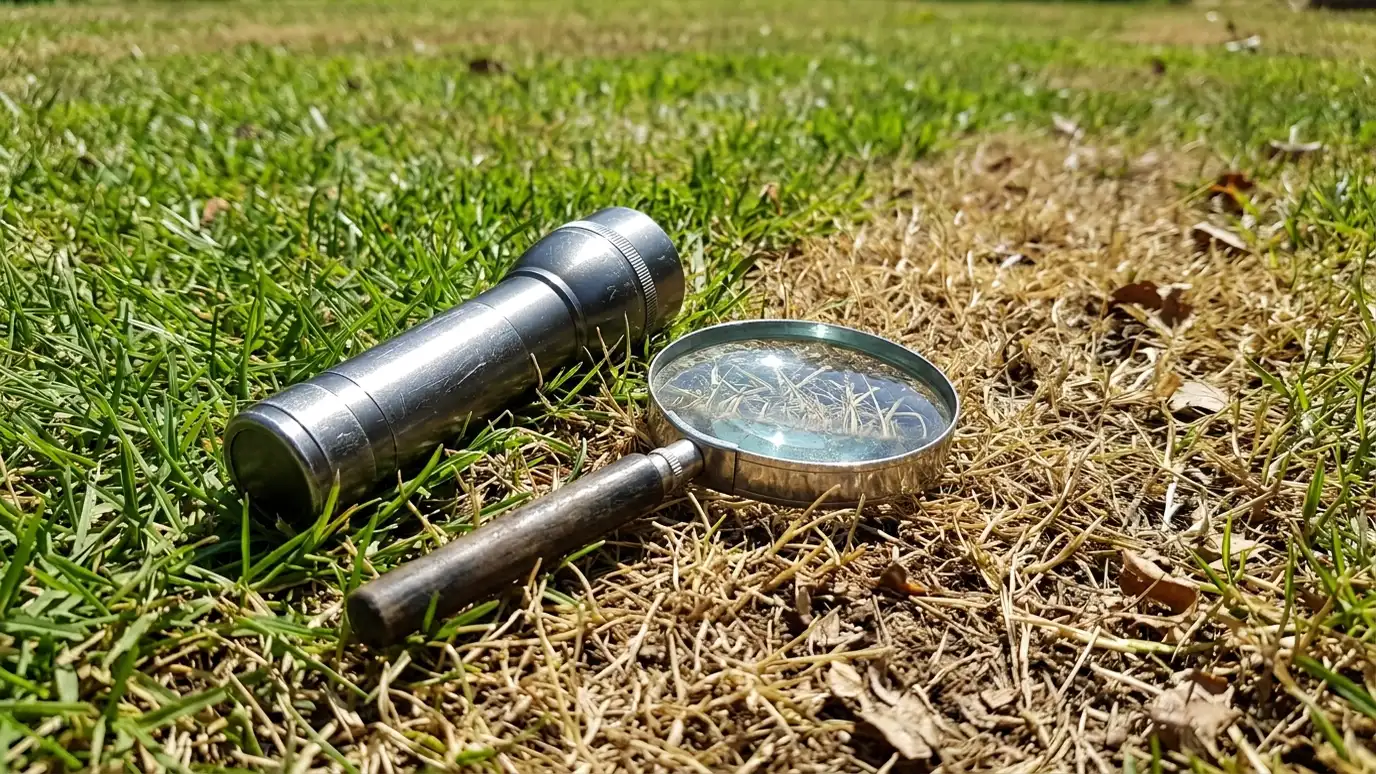
Keep leaves off and stay off frozen grass. Warm-season lawns are dormant and tan. Apply pre-emergent in late winter before weeds sprout.
Avoid salt near turf and beds.
Plan and prepare
Winter is ideal for design, ordering plants and scheduling spring work. Many companies book up early. Review what worked last year.
Clean and sharpen tools.
Watch the wildlife
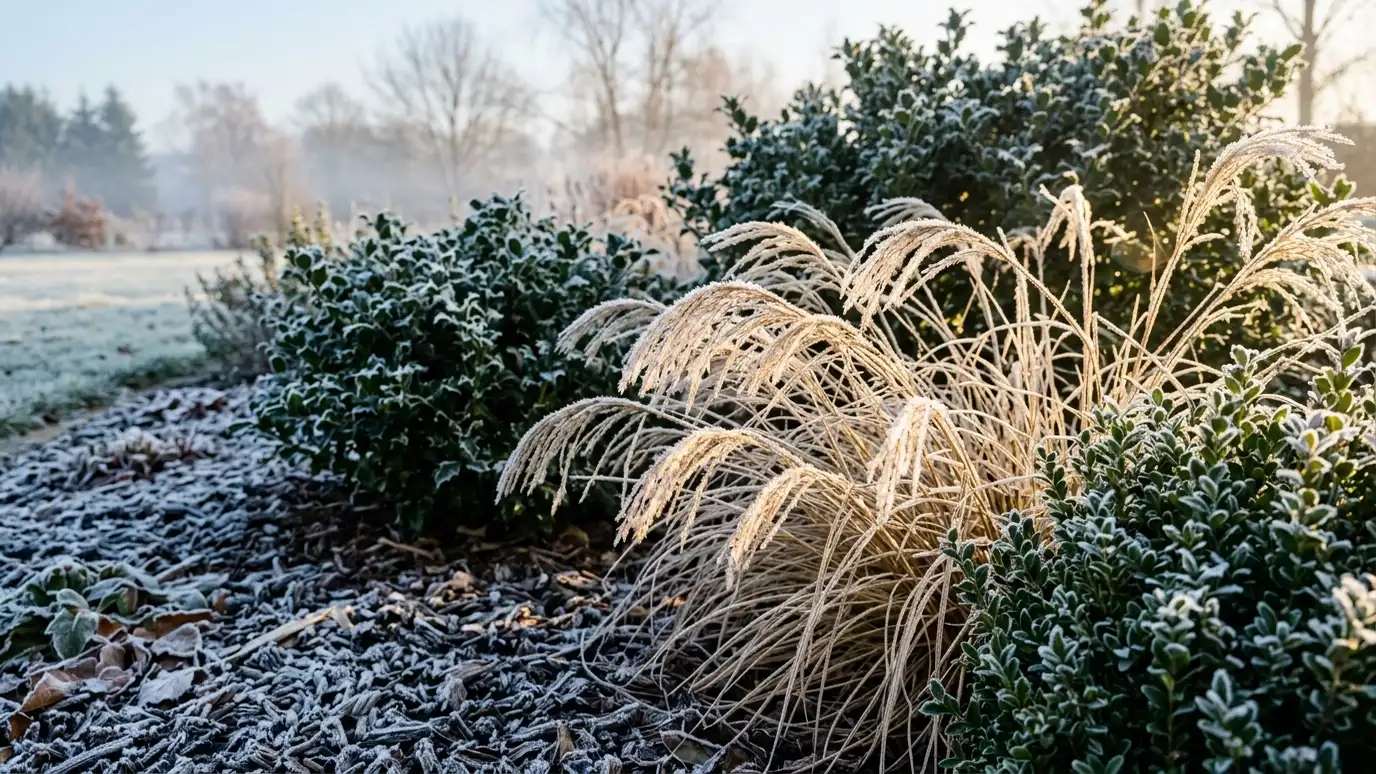
Leave seedheads and some leaf litter for birds and insects. Provide water if you can. Protect young tree trunks from rabbits and deer.
A little untidiness helps wildlife.
Spring is coming
Before growth starts, test soil, order plants, book spring services and plan beds. Remove winter mulch from perennials gradually and watch for late frosts.
A winter checklist makes spring work faster and less stressful.
Winterize irrigation before the first hard freeze, protect what is tender and use the quiet months to prune and plan.