Fall: the best time
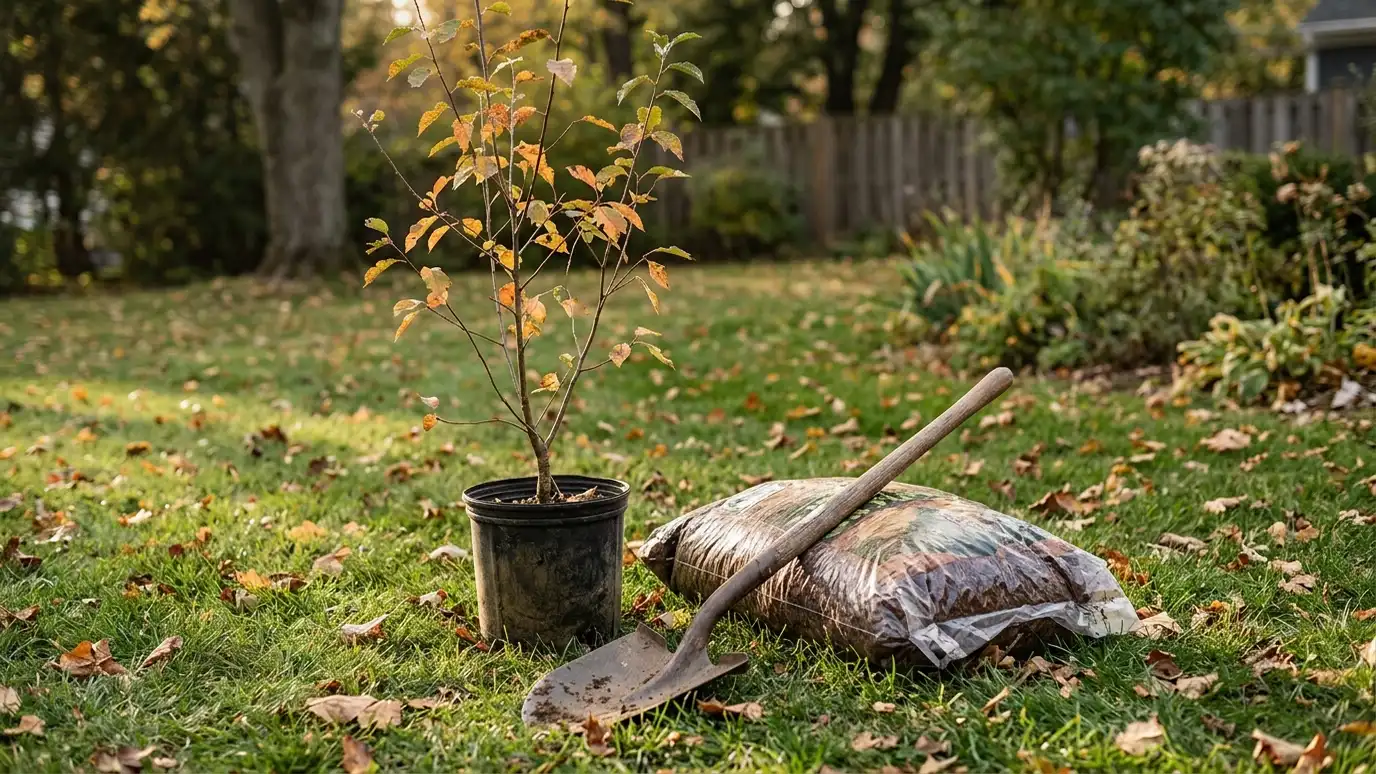
Soil is warm, air is cool and plants can focus on roots through winter. Trees, shrubs and perennials planted from September through November usually establish faster and suffer less summer stress.
Plant at least six weeks before a hard freeze.
Spring: second best
Early spring is good for most plants, before leaves are fully out. Water consistently, because roots must grow quickly before summer heat.
Wait until the danger of frost passes for tender annuals, usually mid-April.
Summer planting
It is possible but demanding. Plants need deep watering several times a week, and mulch is essential. Choose container-grown plants and plant in the evening or on a cloudy day.
Avoid transplanting large trees in summer.
Winter planting
Bare-root plants can go in during dormancy. Container plants can be planted on mild days if the ground is not frozen.
Protect new plantings with mulch during hard freezes.
Annuals and vegetables
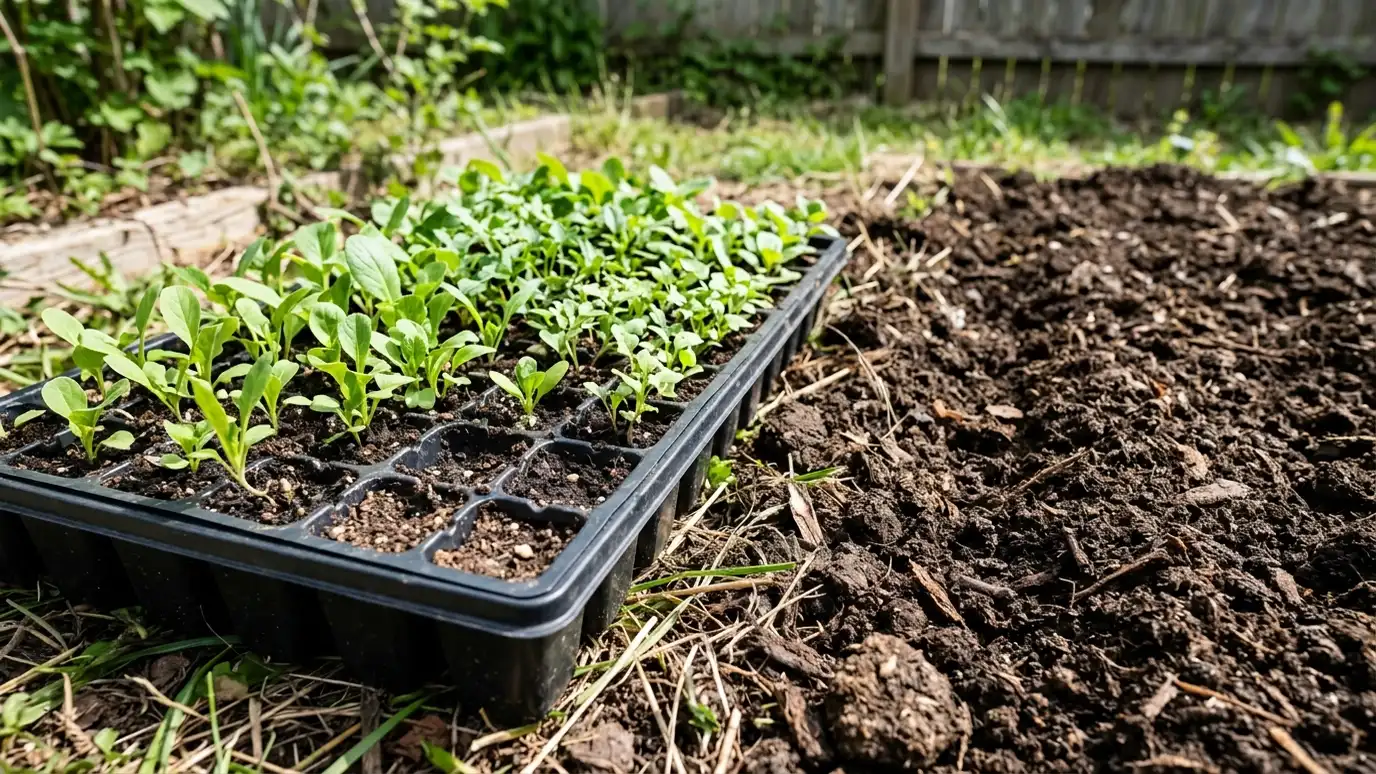
Cool-season flowers like pansies go in during fall, and warm-season annuals and vegetables go in after the last frost. Rotate through the seasons for constant color.
Keep up with watering and feeding.
A simple rule
If you can plant in fall, do it. If not, plant in early spring and water well. Planting well beats planting at a perfect time.
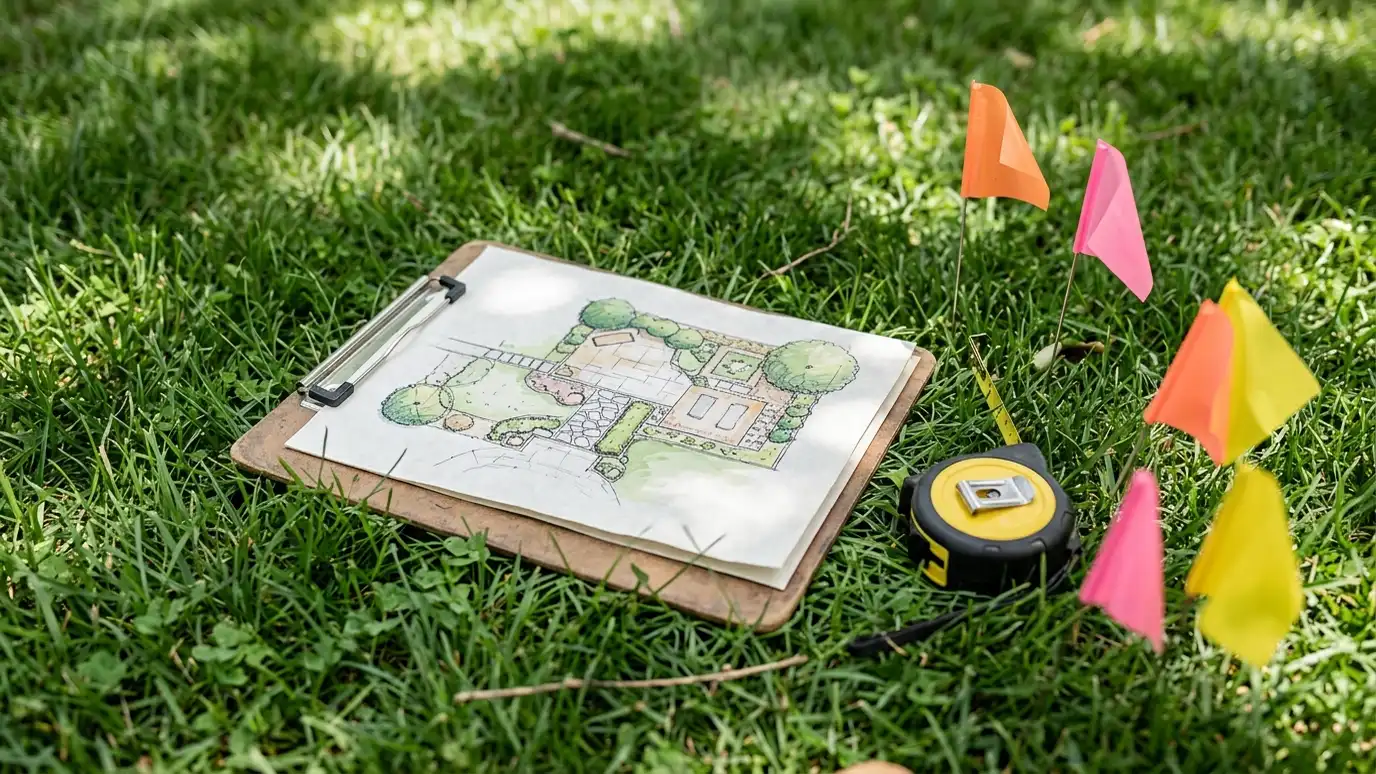
We help you plan a planting calendar for your yard.
Planting day basics
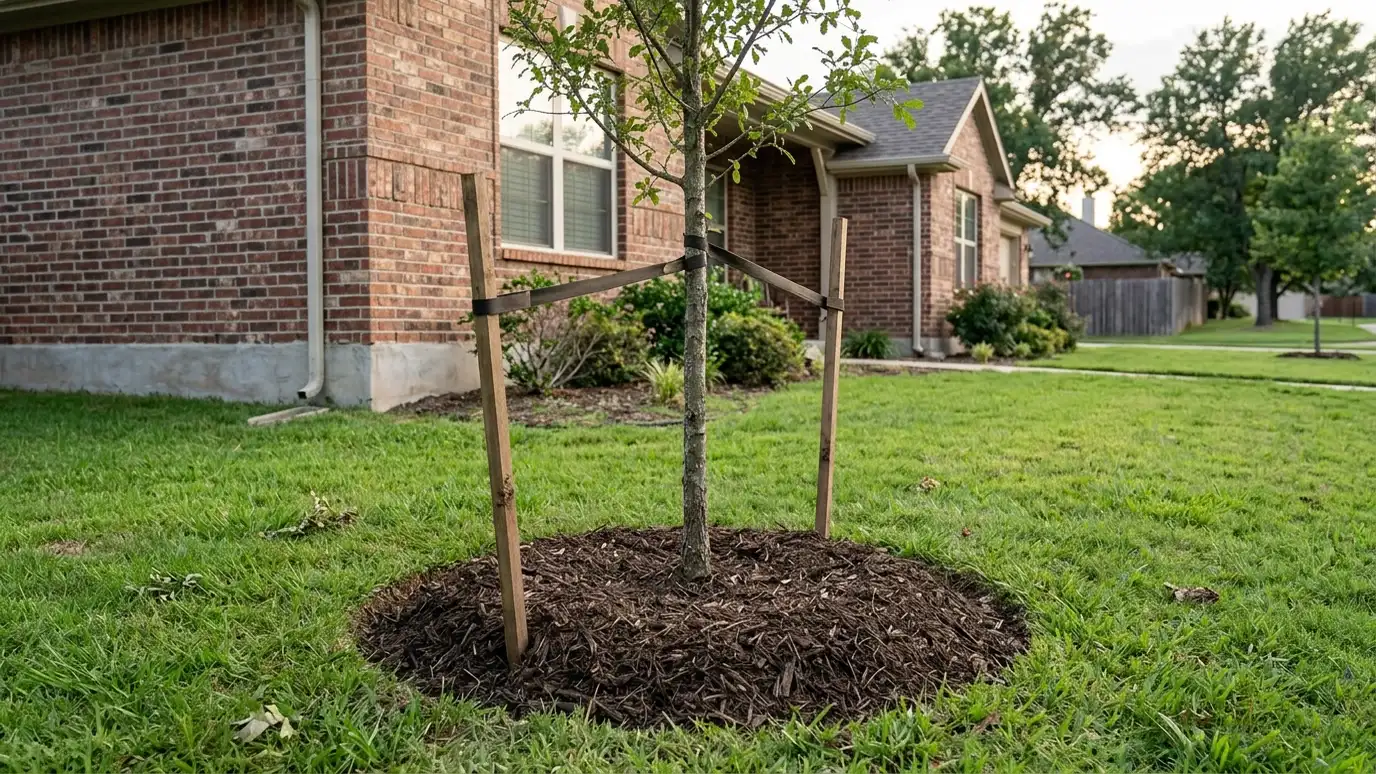
Whatever the season, dig wide and shallow, keep the root flare at the soil surface, loosen clay around the hole and backfill with the soil you dug out. Water thoroughly to settle the soil and spread mulch.
Avoid planting before a hard freeze or a week of extreme heat. A few days of patience can save a plant.
Plant trees and shrubs in fall when you can, water them deeply for two seasons and mulch to protect the roots.