Why resistance matters
Deer browse many popular landscape plants, and summer droughts can strain even established beds. Choosing tough plants saves money, water and frustration. No plant is completely deer proof, but some are rarely eaten.
Pressure varies by neighborhood and season.
Perennials for sun
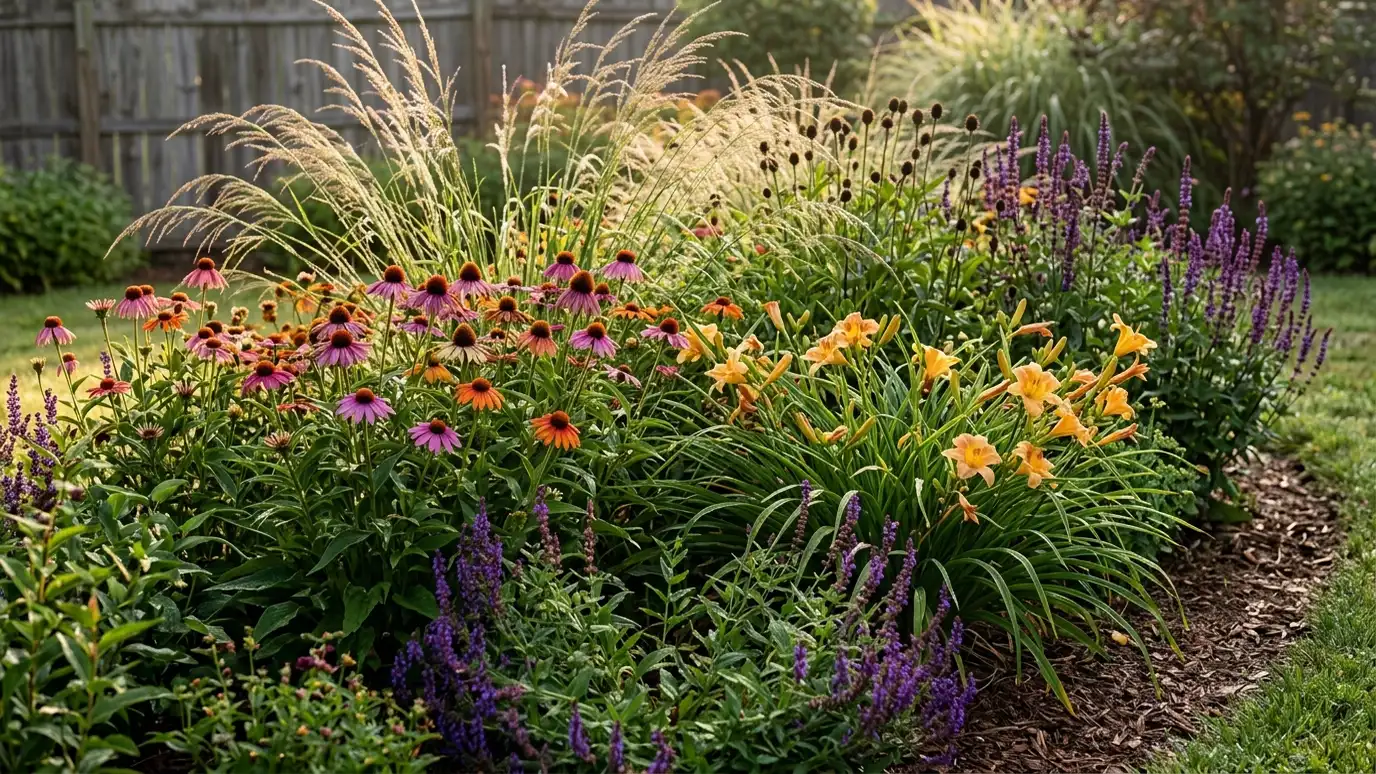
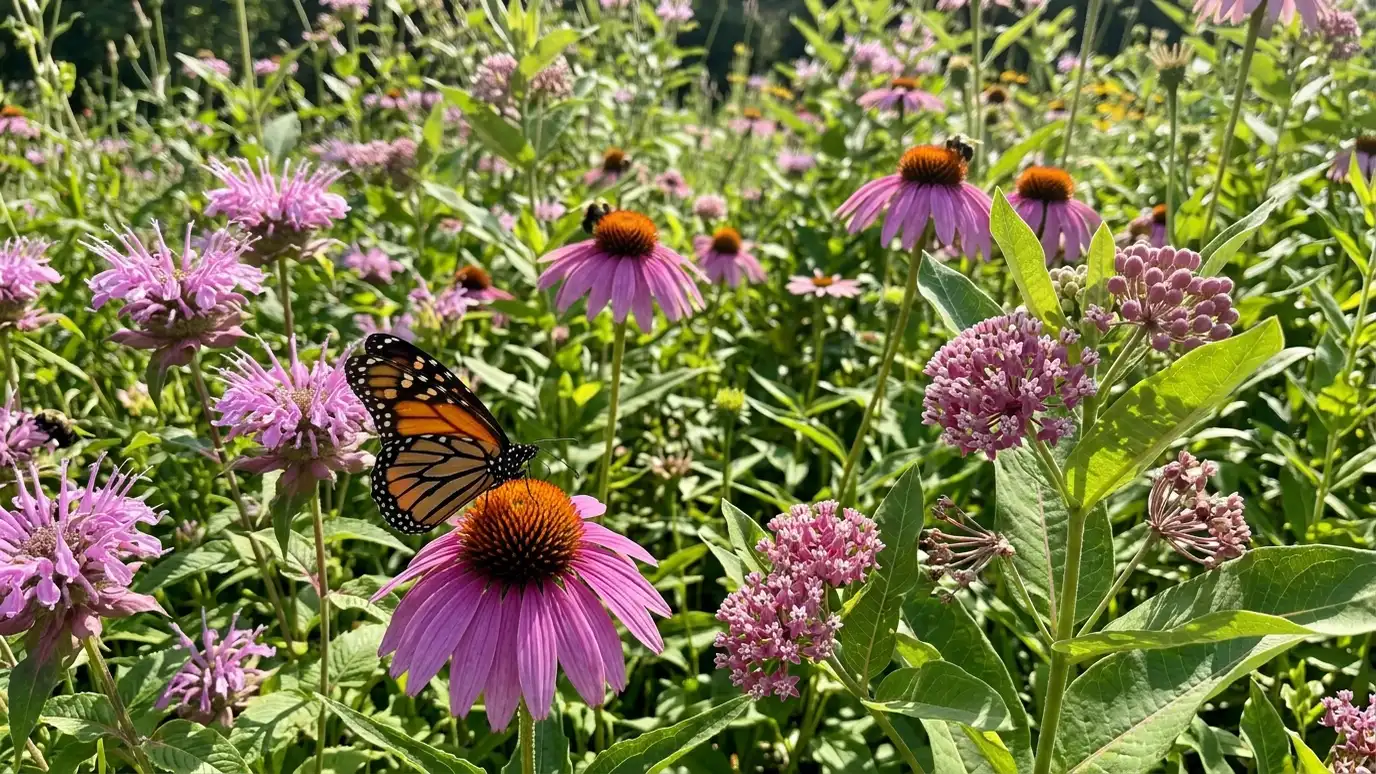
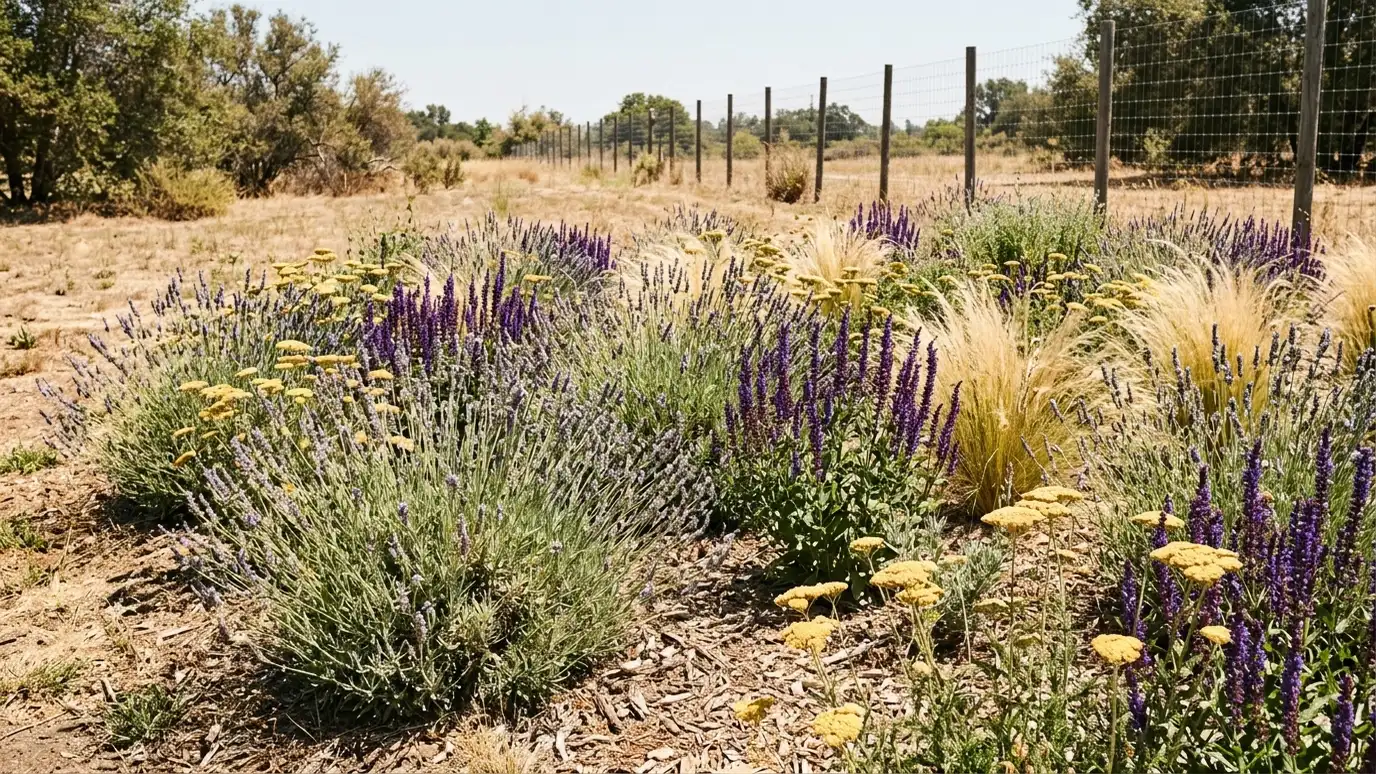
Salvia, lavender, yarrow, Russian sage, coneflower, black-eyed Susan and coreopsis stand up to heat and are less palatable to deer. Fragrant and fuzzy plants are often avoided.
Plant in well-drained soil.
Plants for shade
Ferns, hellebore, epimedium, brunnera and Solomon’s seal resist deer and thrive in shade. Hostas are often eaten, so use repellents or fencing for them.
Add shade groundcovers to fill gaps.
Shrubs and trees
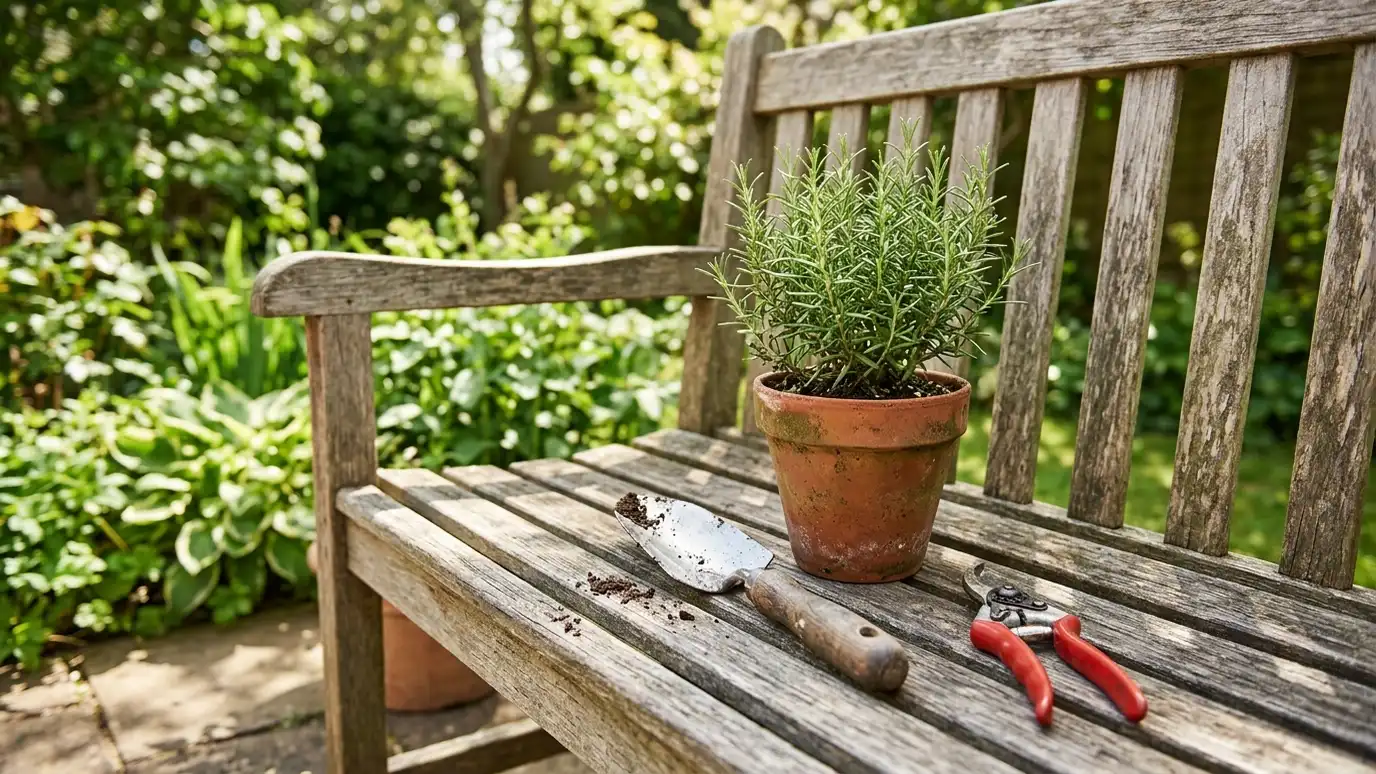
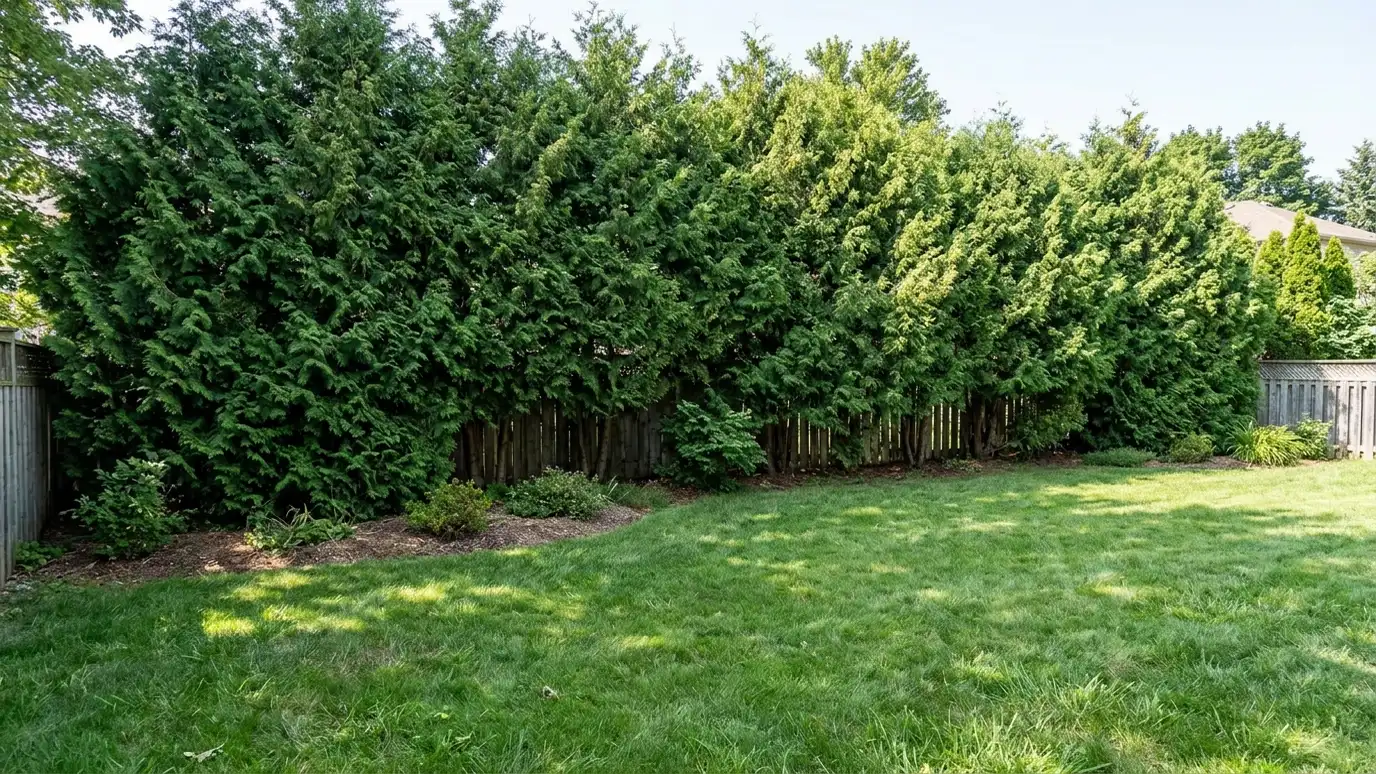
Boxwood, holly, juniper, rosemary, spirea and oakleaf hydrangea are generally less attractive to deer. Young trees may need trunk guards.
Evergreens give winter structure.
Grasses and groundcovers
Little bluestem, muhly grass, switchgrass and liriope are tough and rarely eaten. They bring movement and winter interest.
Mass plantings look natural.
Other defenses
Repellent sprays, motion-activated devices and fencing add protection. Plant favorites close to the house and resistant plants at the edges.
Rotate repellents so deer do not get used to them.
Putting it together
Group plants by water need, mulch well and water deeply while young. Mix resistant plants in front with sensitive ones tucked behind or near the house.
Consider a simple fence or netting for new trees, because young trees are the most vulnerable to deer rub.
Build the bones with resistant plants and put the tasty ones in protected spots or behind fences.