Gardens of Tennessee native plants that feed bees and butterflies, thrive with less water and bring wildlife to your yard.
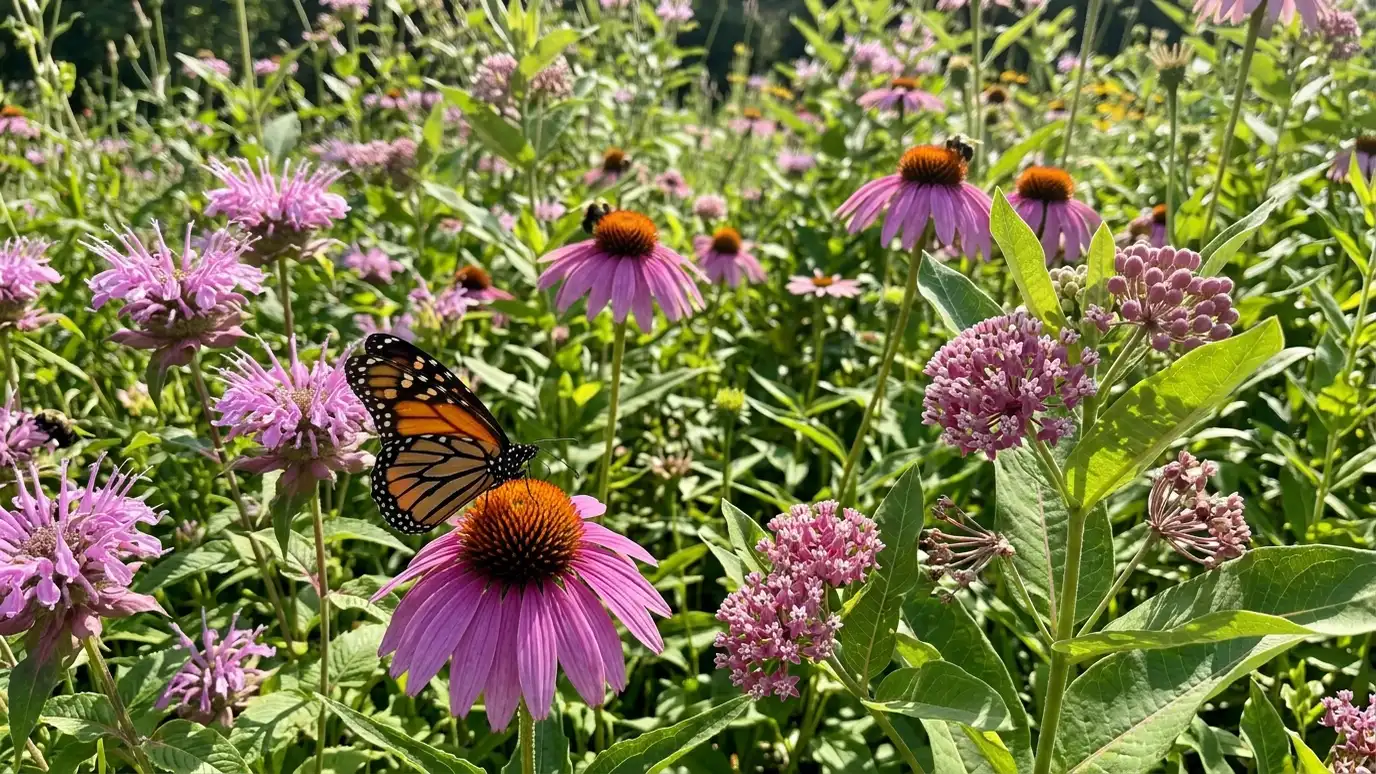
Native plants have grown in Middle Tennessee for thousands of years. They are tough, they handle our weather and they feed the insects and birds that live here. A native or pollinator garden is a simple way to make a yard more alive: bees on the coneflowers, butterflies on the milkweed and birds in the fall seedheads. In Nashville, where development is spreading, these small habitats make a real difference.
We design native gardens that look intentional, with drifts of color, repeated shapes and tidy edges, so they feel at home next to a traditional house. We choose plants for your sun, soil and moisture, from prairie flowers and grasses to native shrubs and small trees. Soil is prepared, plants are installed at the right spacing and a layer of mulch holds moisture while young plants establish. We explain how to care for the garden in its first year and how it will change in the years after. We can also add a shallow water dish, a few flat stones for basking butterflies and a stretch of untouched leaf litter, small details that make a native garden feel alive and that help wildlife through winter.
Species native to Tennessee are chosen for resilience and wildlife value.
Repeated groupings and clean edges keep native gardens tidy.
Once established, many natives need little watering or fertilizer.
Plants bloom in sequence so bees and butterflies find food all season.
Drag the handle to compare.
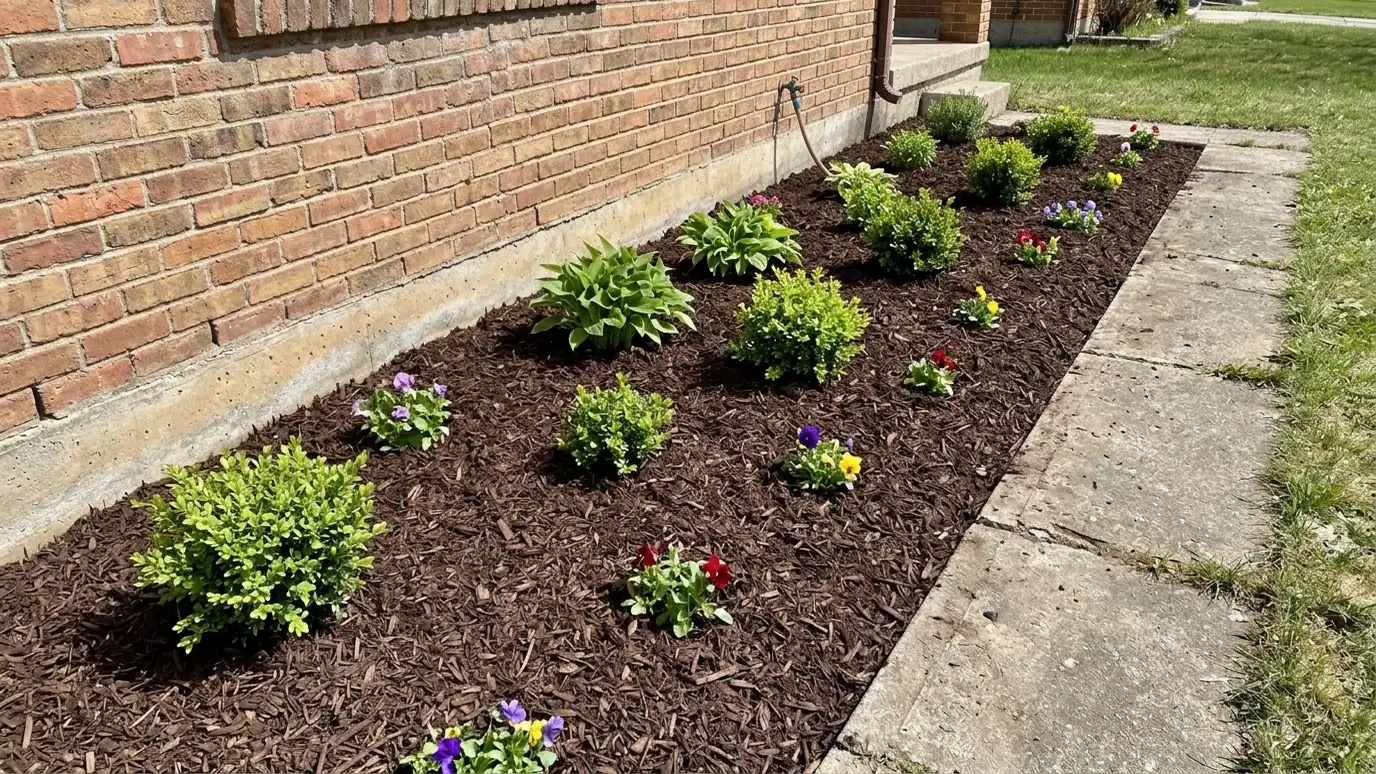
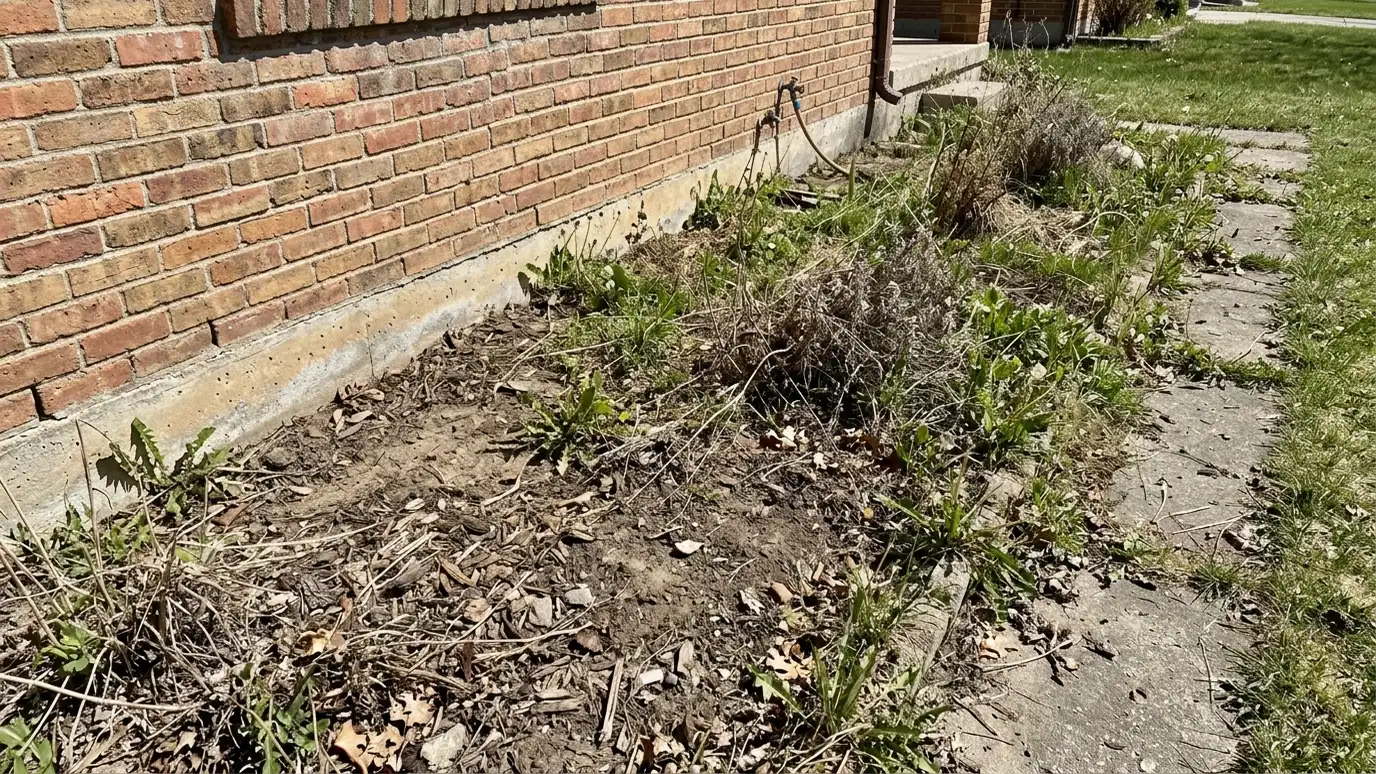 BeforeAfter
Food for bees and butterflies.
Tough and local.
After establishment.
Season after season.
Intentional look.
Care made simple.
Every topic has its own page with what to expect and how we approach it.
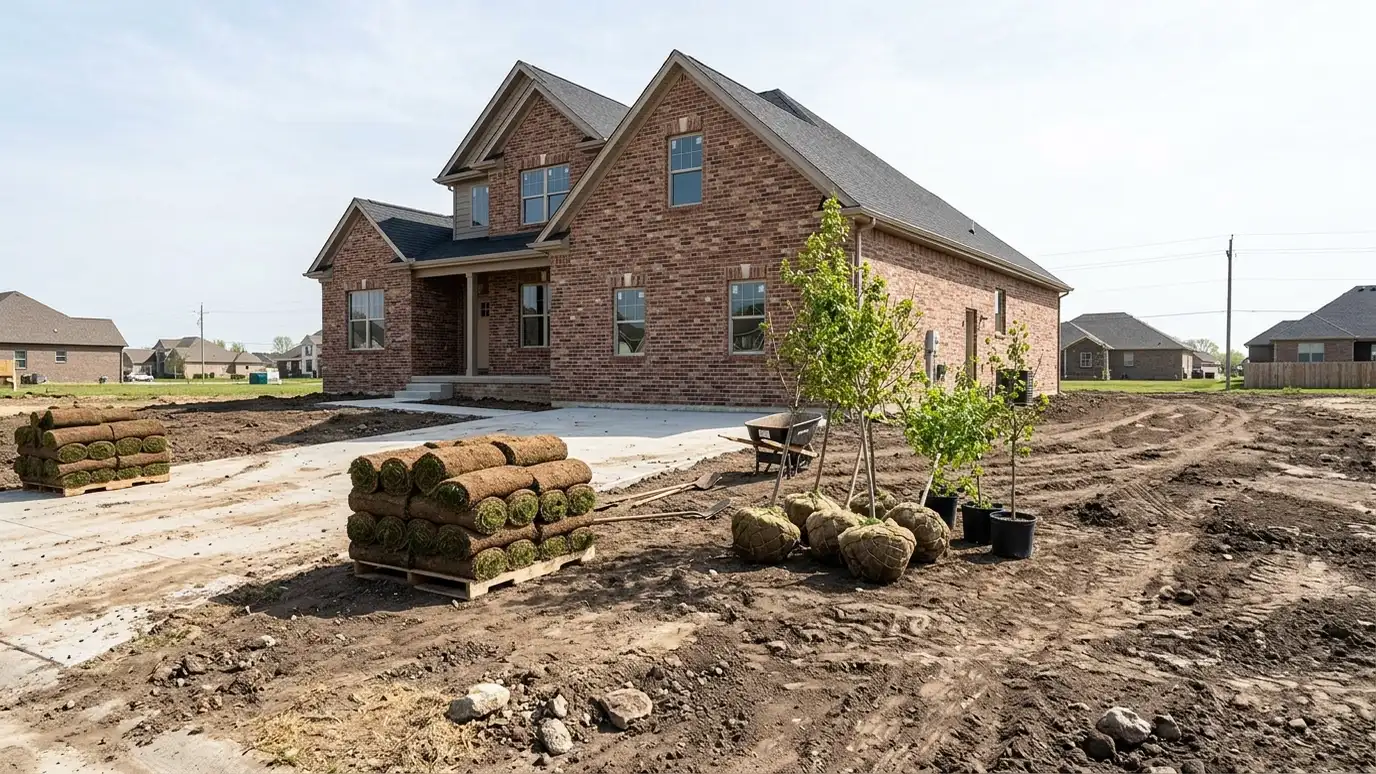 Site situationNew Construction YardsA new build starts with bare, compacted soil. Here is how to plan grading, drainage, sod and planting…Learn more
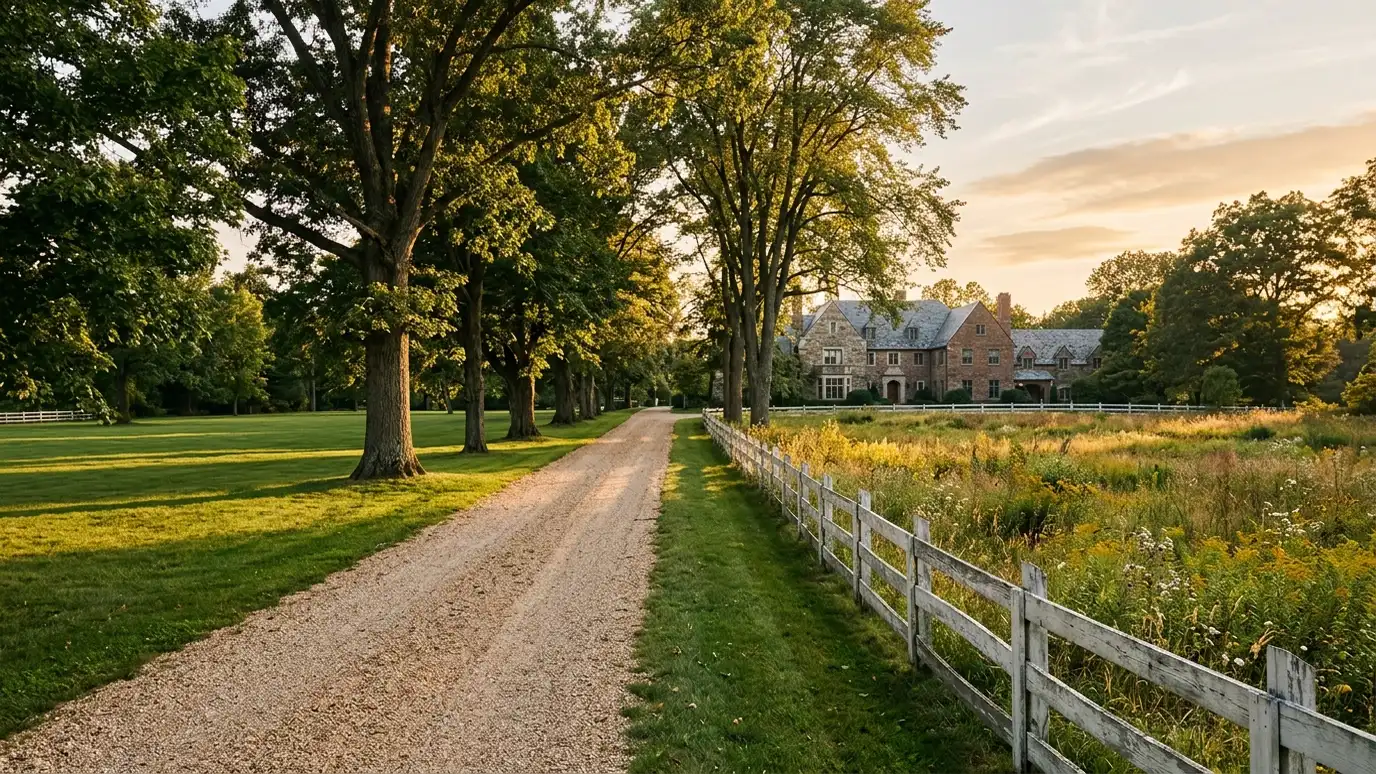 Site situationLarge Lots and AcreageBig properties need a plan that works at scale. Here is how zones, long views, native plantings and…Learn more
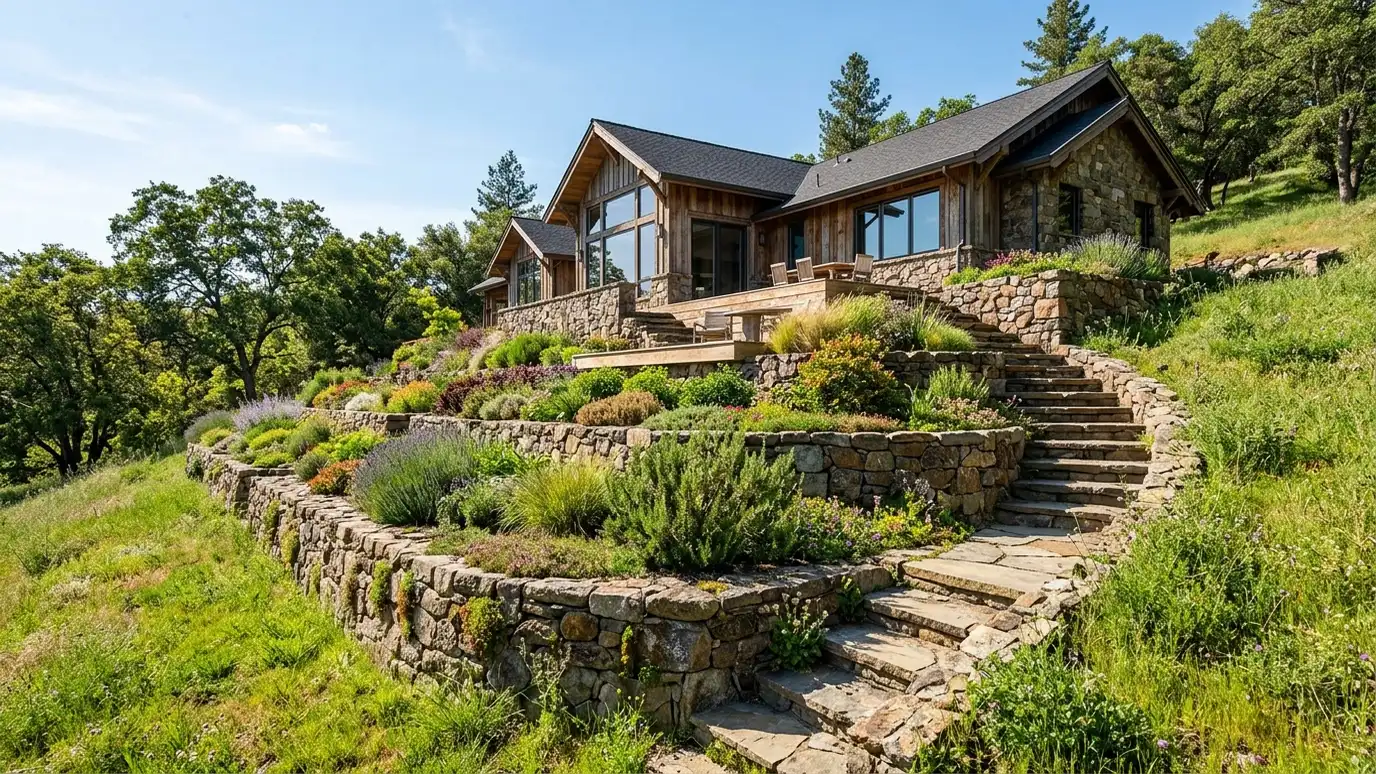 Site situationSloped and Hilly YardsHills mean runoff, erosion and tricky mowing. Here is how walls, terraces, groundcovers and drainage make a slope…Learn more
Enter bed size, plant type and spacing to see how many plants, how much mulch and how much water to plan for.
You tell us about your yard and what you want, new landscaping, a lawn fix or a patio, and we set a visit that fits your day.
We walk the property, measure the areas and check sun, shade, soil, drainage and access, noting existing plants and anything worth keeping.
We explain your options for plants, materials and layout, sketch the design and give you a written scope with clear timing and pricing.
We arrange for underground utilities to be located, protect the house and lawn, remove what must go and rebuild the soil and base.
We install plants, sod, stone and lighting with the crew on site from the first delivery to the last load of mulch, keeping the site tidy as we go.
We walk you through watering and care, leave a simple guide, clean up and set a reminder for your first-season check.
Purple coneflower, black-eyed Susan, bee balm, milkweed and little bluestem are common choices.
Not when they are designed with clean edges and repeated groupings.
They need regular water at first, then far less once established.
Mostly gentle bees and butterflies, and we place plantings away from busy entries.
Yes. Many yards combine native and traditional plants.
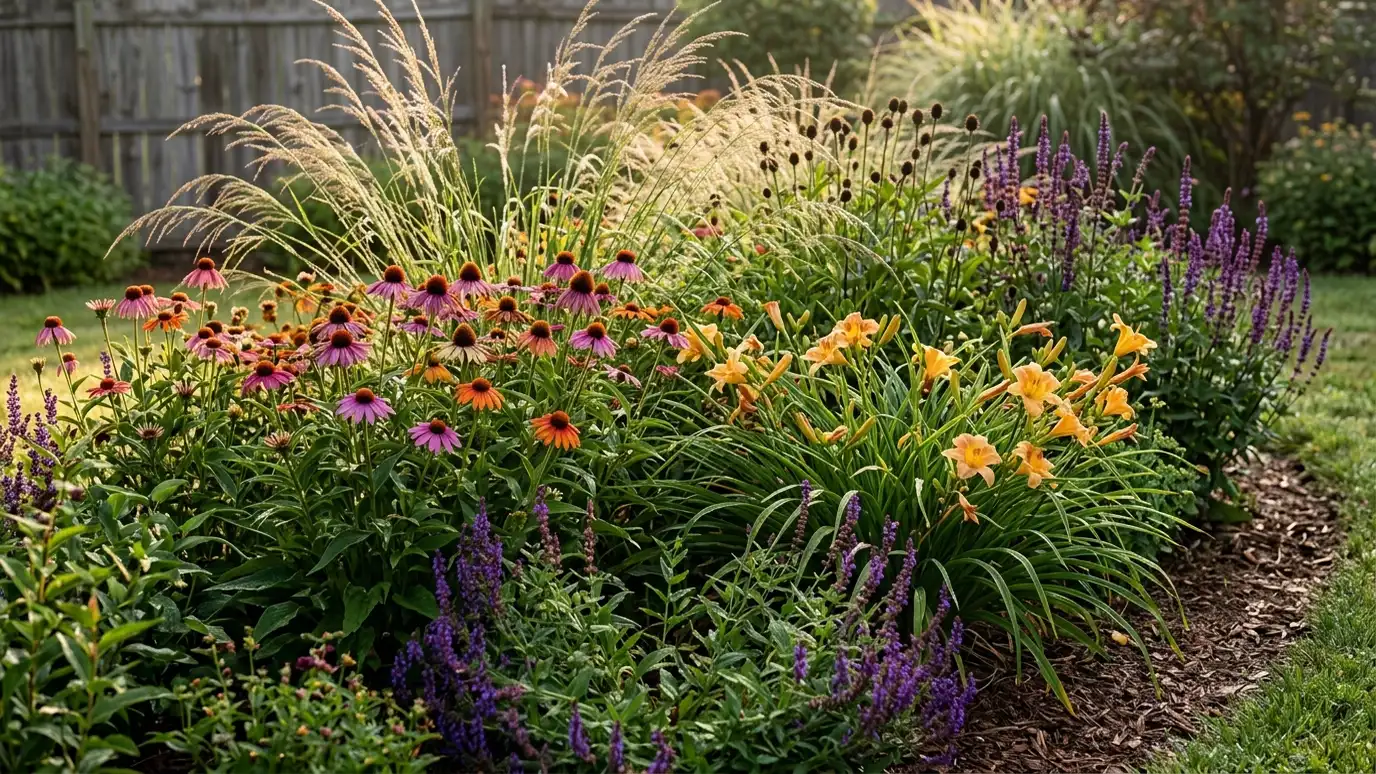 Flower and Perennial BedsGarden beds filled with perennials, grasses and seasonal color, arranged for bloom through the year and easy care.Explore
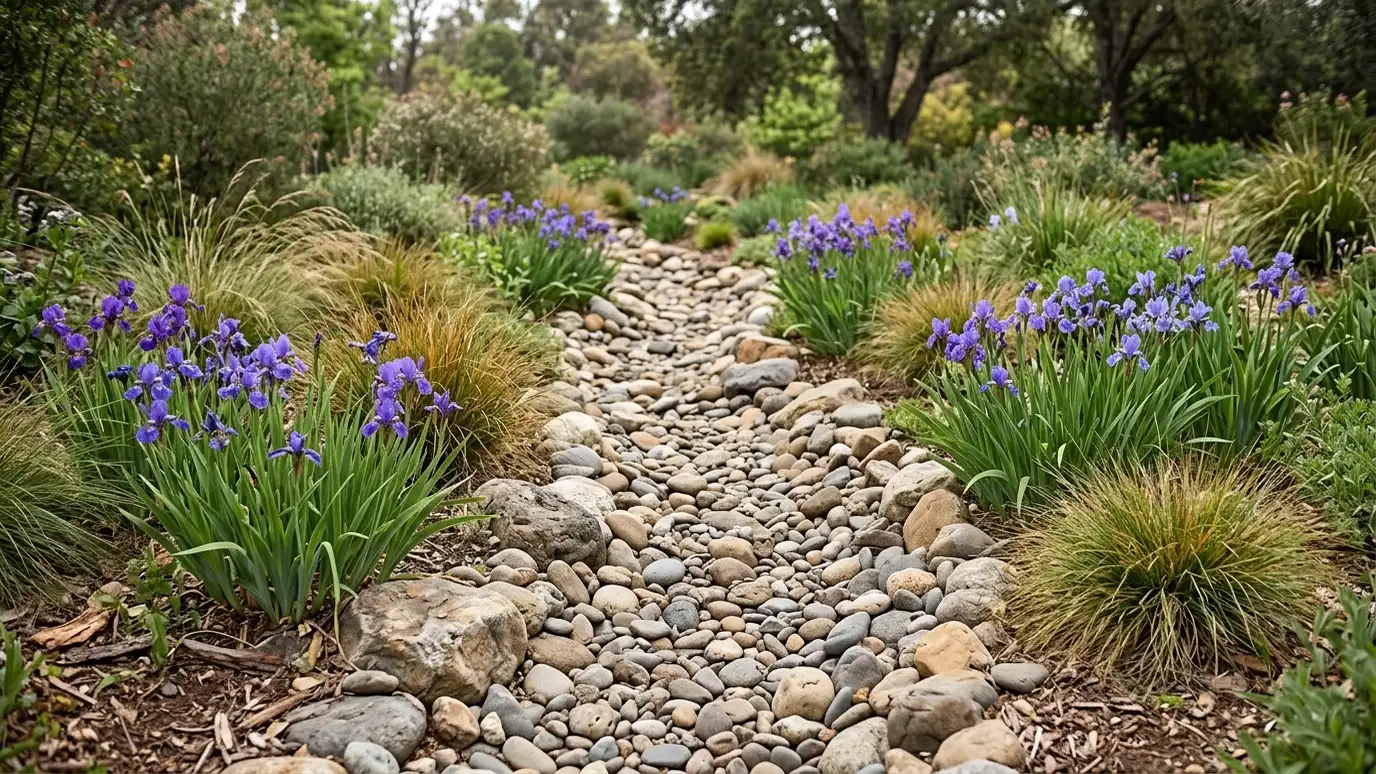 Rain Gardens and Dry Creek BedsPlanted rain gardens and stone-lined dry creek beds that collect, slow and soak up runoff while adding beauty…Explore
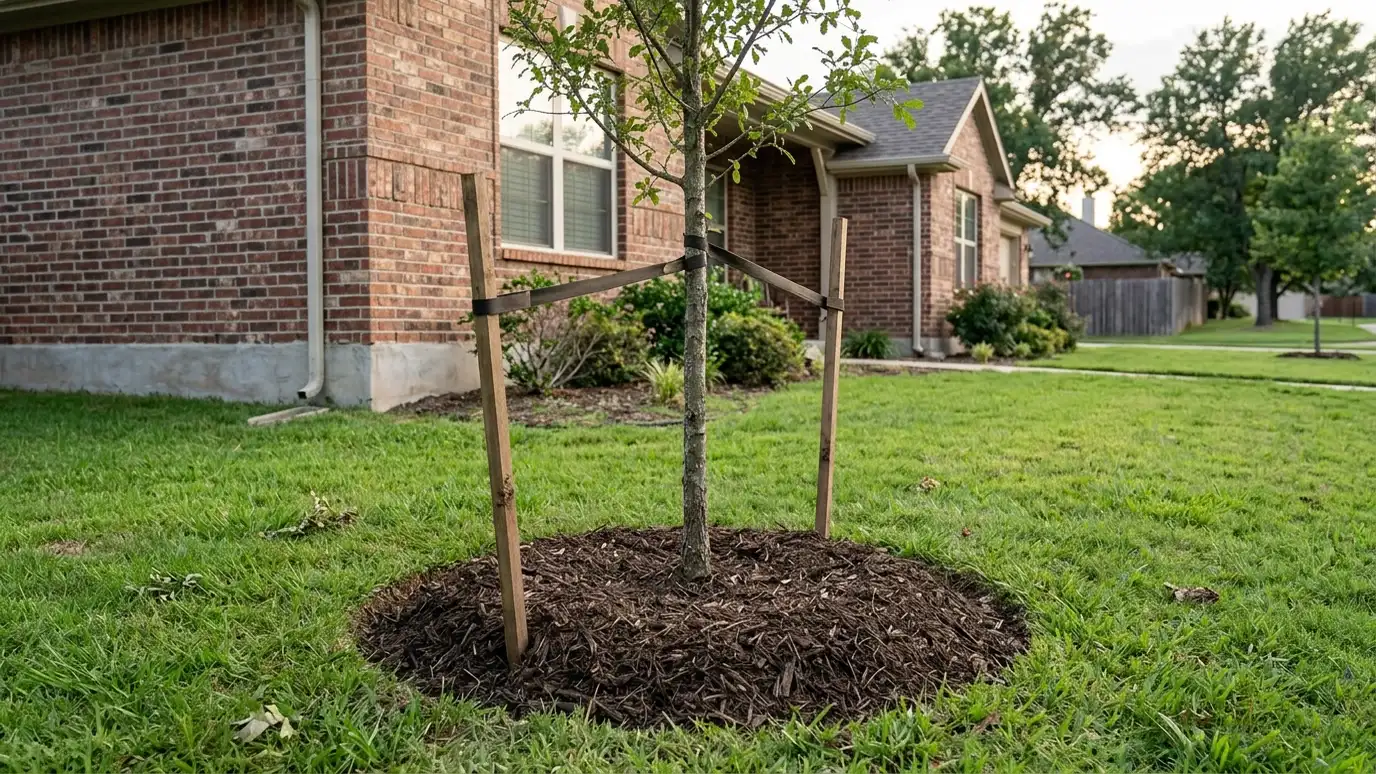 Tree and Shrub PlantingShade trees, flowering trees and shrubs planted correctly, with the right hole, soil, staking and watering plan for…Explore
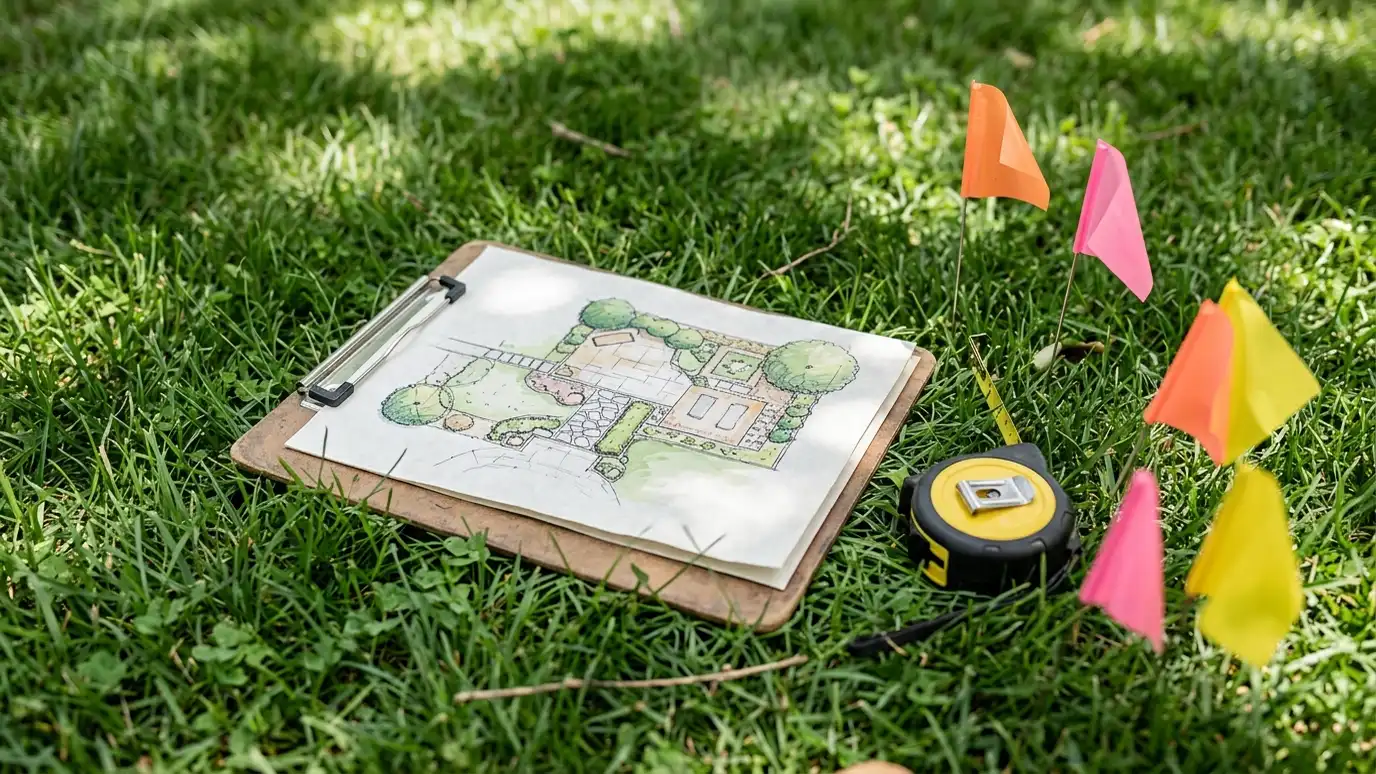 Design and PlanningA clear plan for your yard: layout, planting, hardscape and lighting sketched on paper so you can see…Explore
Tell us about the project and we will call you back to talk it through.
Or call (615) 357-7797 to talk now.