Start with how you will use it
Dining, cooking, lounging, fire gatherings and play all need space. List the activities and the number of people. This sets the size and the pieces.
Most patios end up too small, so plan generously.
Place it well
Consider sun, wind, views, privacy and the route from the house. A space close to the kitchen is used more. Avoid low spots where water gathers.
Orient seating to the view.
Choose the surface
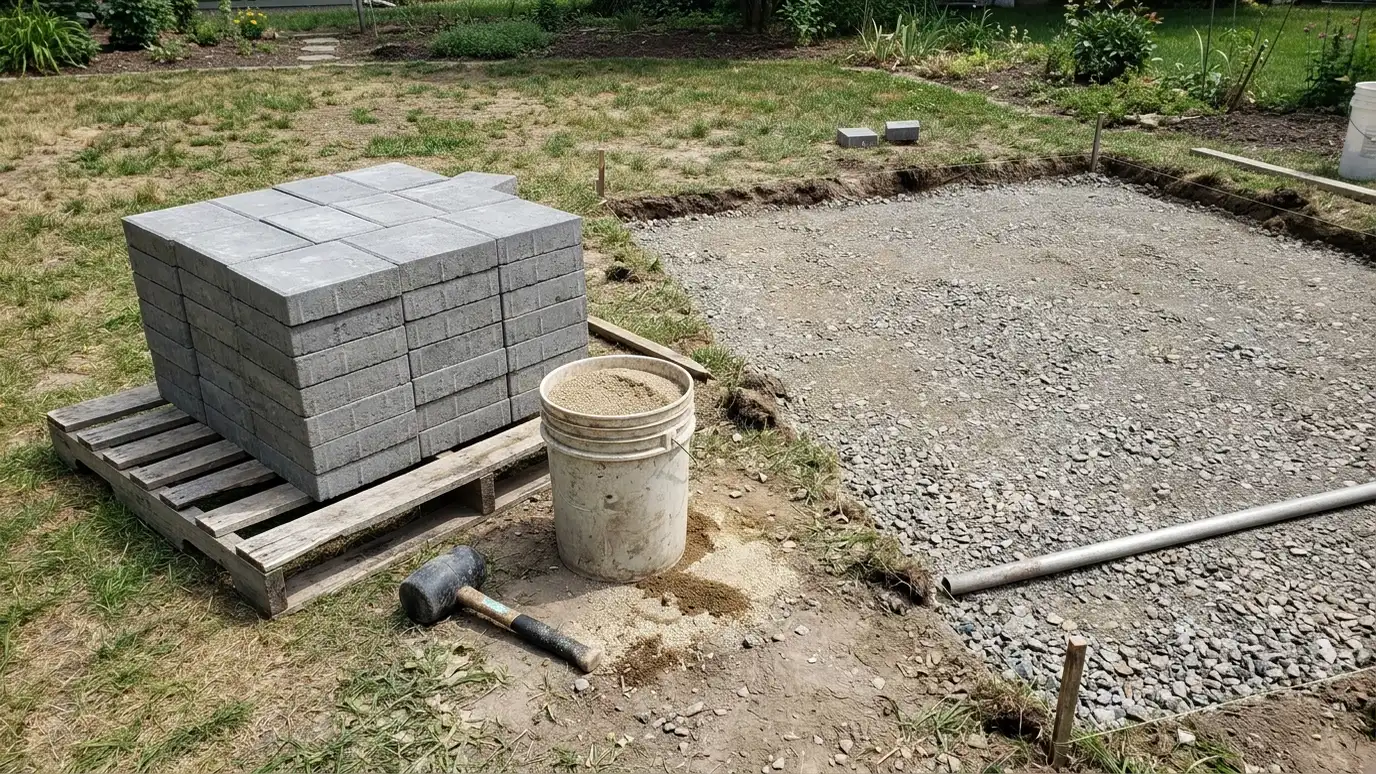
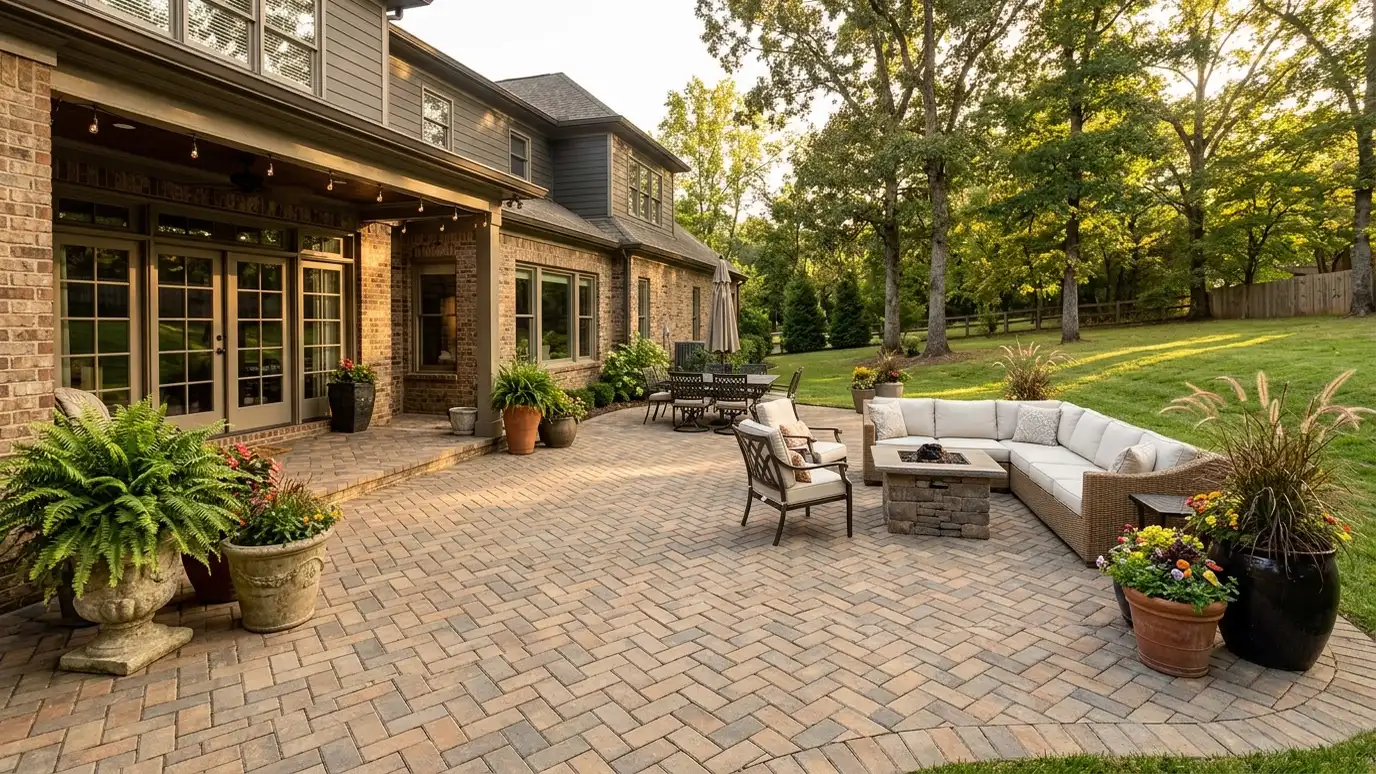
Pavers, stone and stamped concrete each fit a different look and budget. Consider comfort underfoot, drainage and upkeep.
Plan edges, steps and transitions.
Add the features
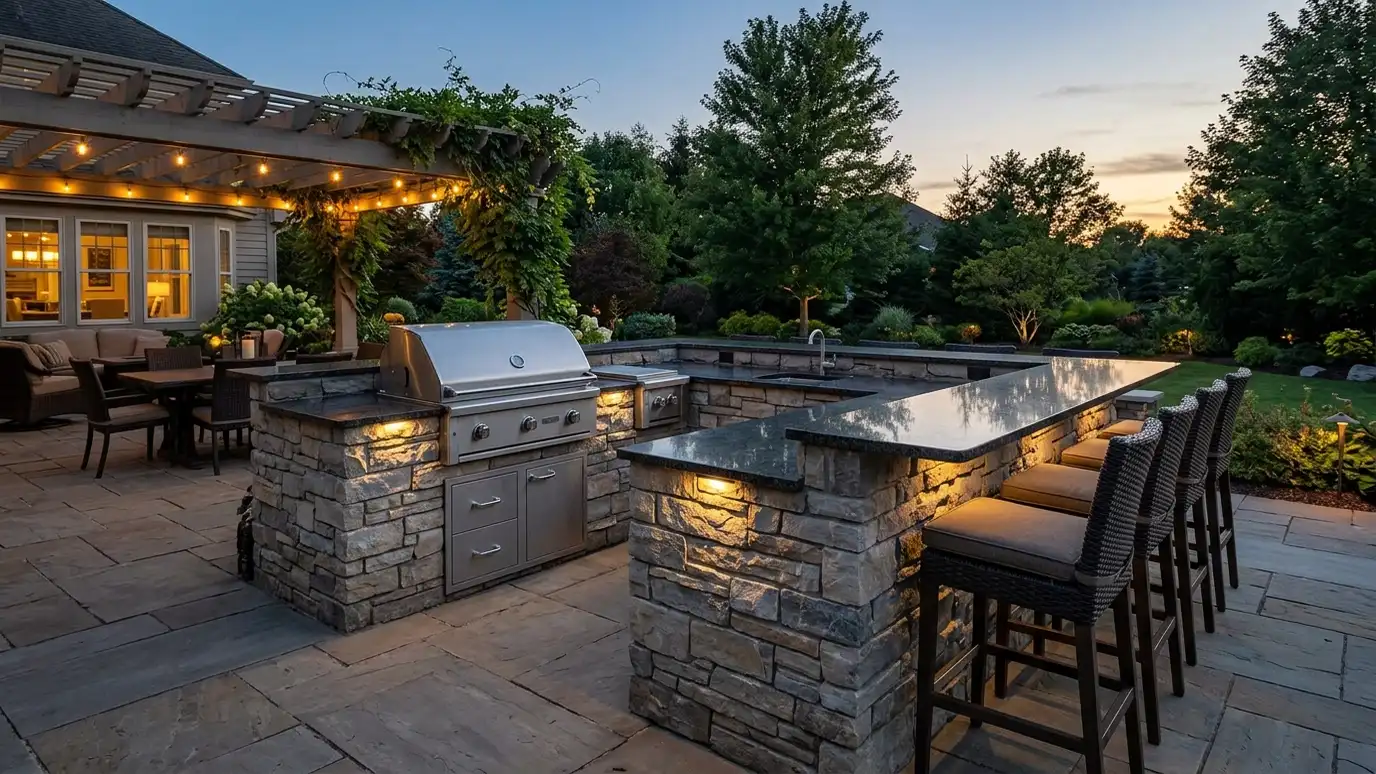
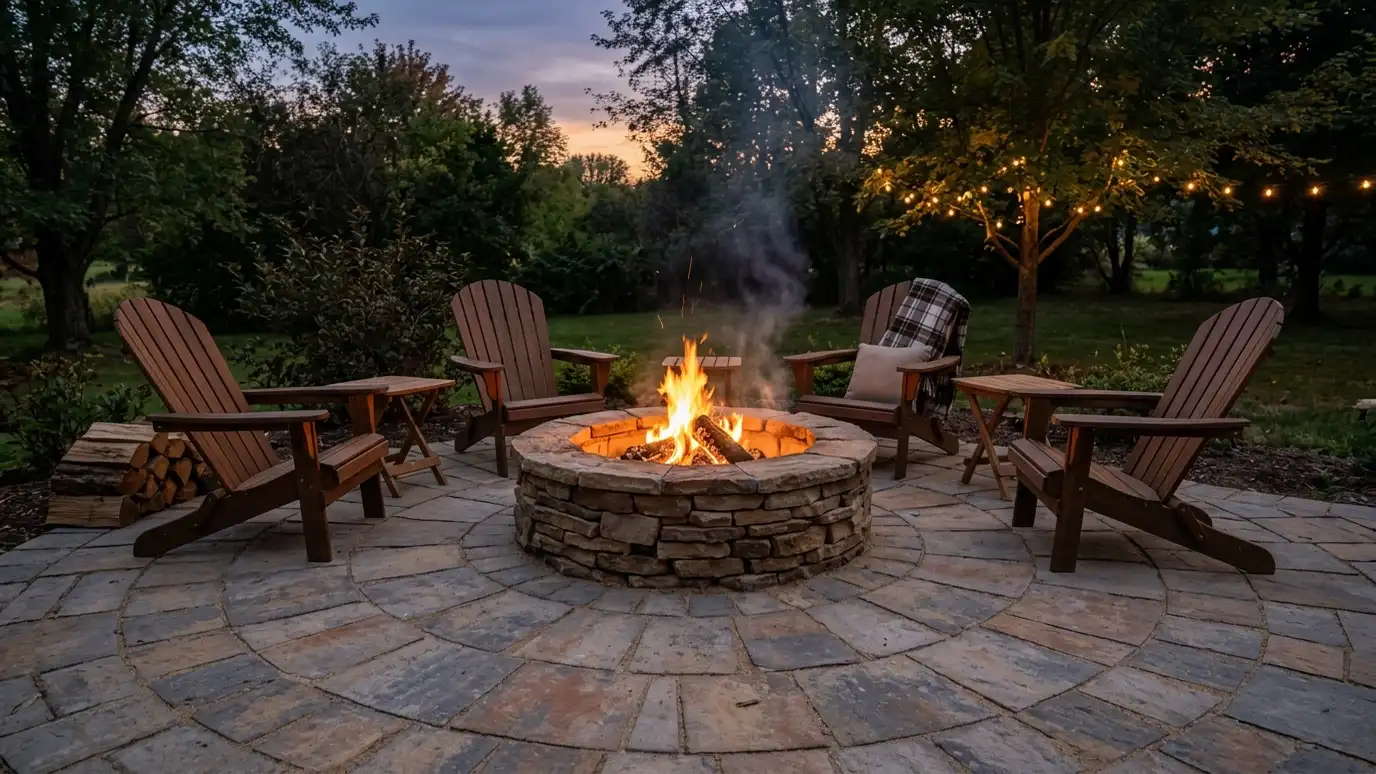
Fire pits, fireplaces, outdoor kitchens and water features create focal points. Plan utilities such as gas, electricity and water before paving.
Add seating walls to increase capacity.
Provide shade and shelter
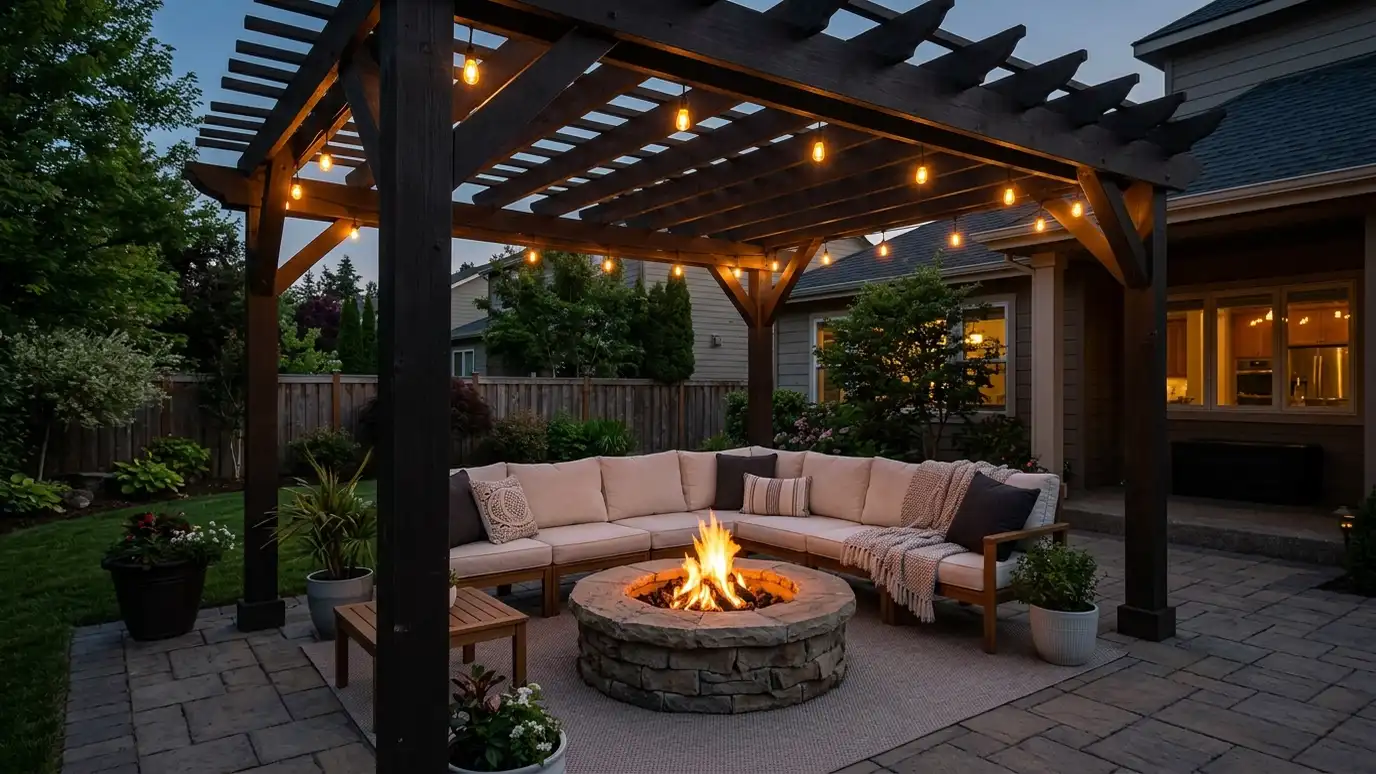
Pergolas, pavilions, umbrellas and trees extend use through summer heat and light rain. Consider sun path, wind and views.
Fans and heaters add comfort.
Light and landscape
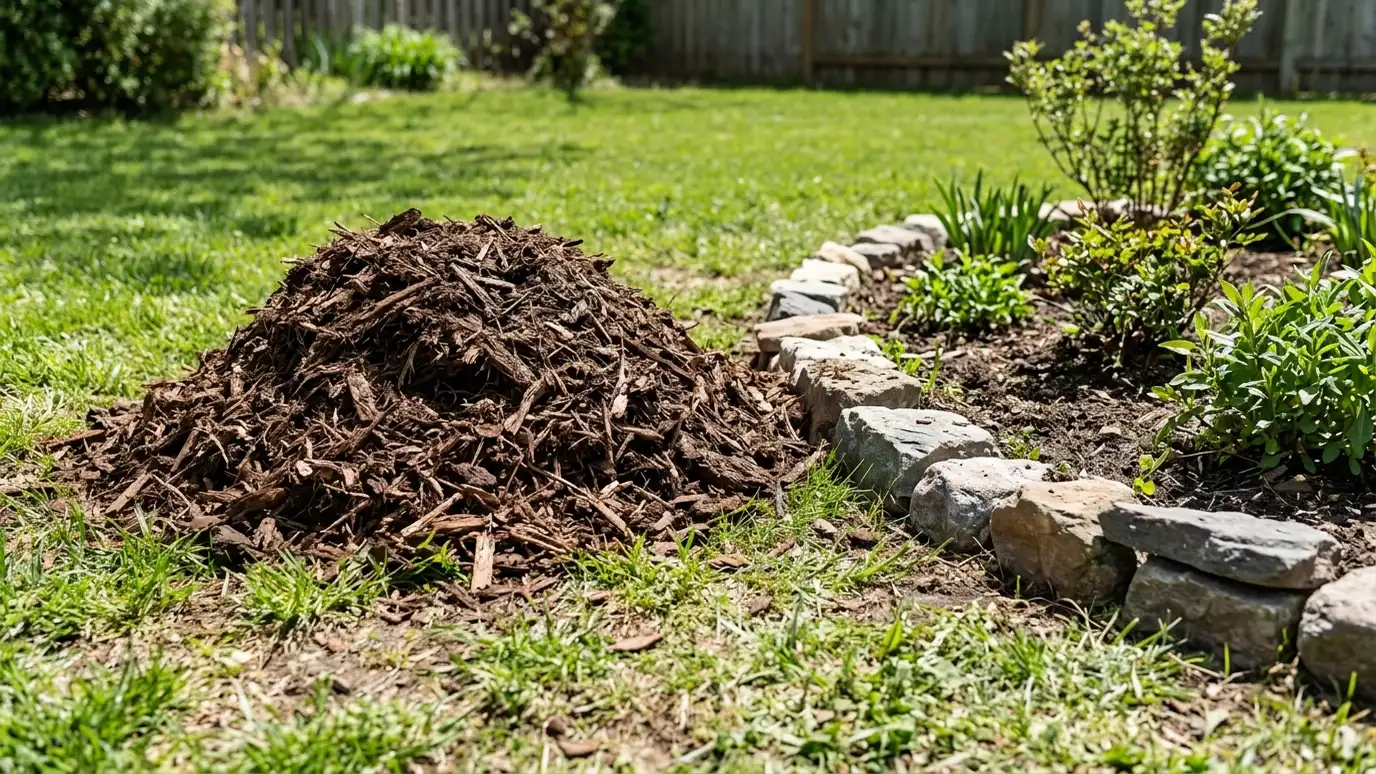
Lighting extends the evening, and plants soften edges and add privacy. Choose plants that tolerate foot traffic and heat.
Plan paths and lighting together.
Think about year-round use
A fire feature, heater and shade structure extend the seasons. Wind screens and lighting help in cooler weather. Think about storage for cushions and a path that stays dry.
Leave room for growth, because many owners add a kitchen or a fire pit within a few years.
Plan the whole space, build utilities in before paving and make it a little bigger than you think you need.