Measure the bed
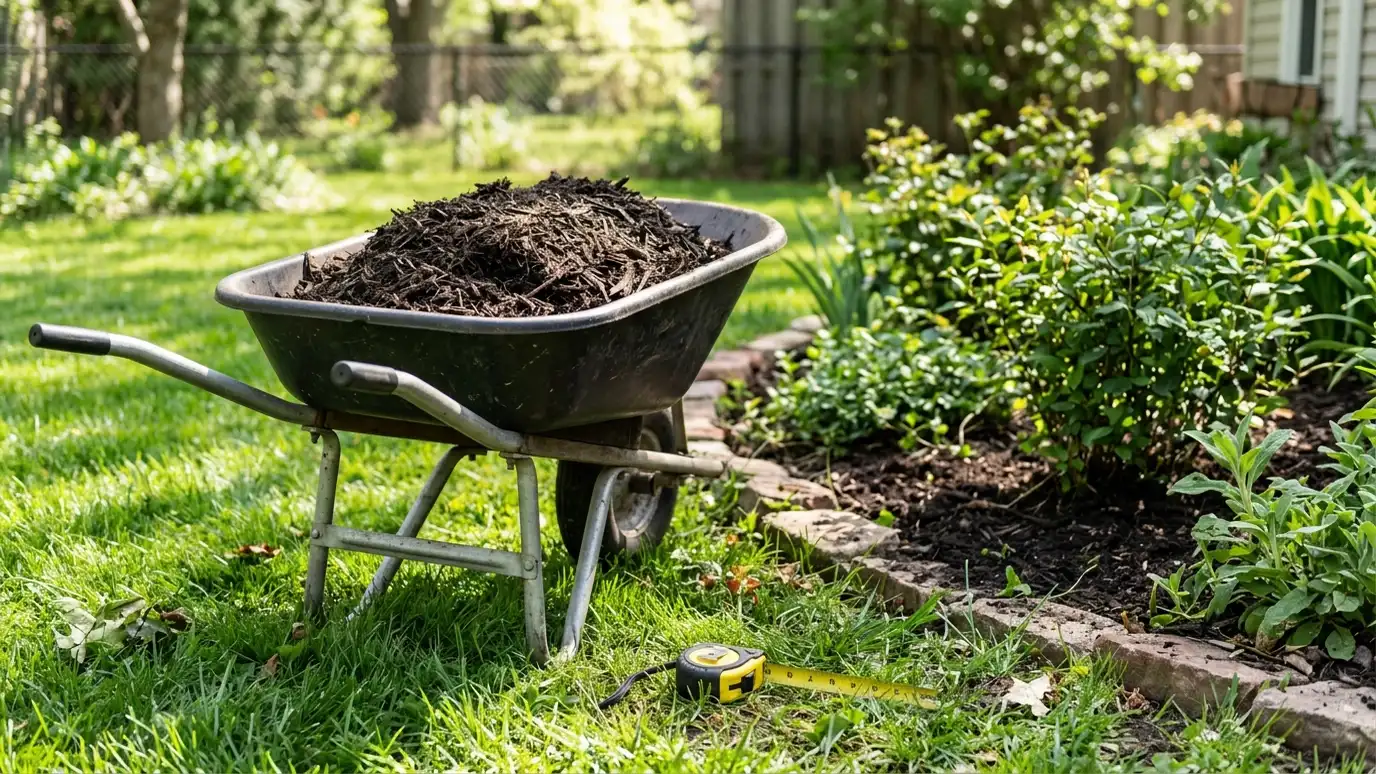
Multiply length by width in feet to get square feet. For curved beds, break the shape into rectangles and circles and add them up. Subtract areas such as stepping stones.
Measure carefully, because estimates are often low.
Choose a depth
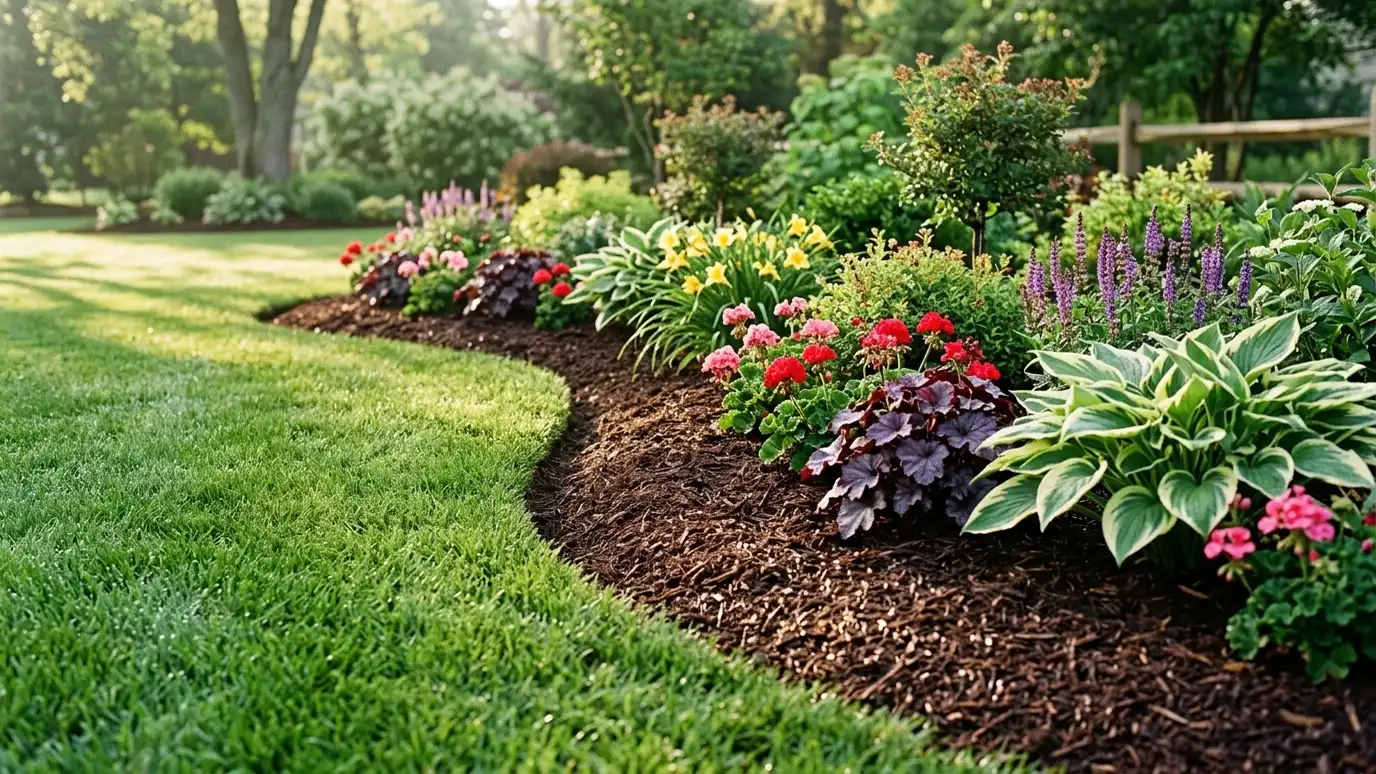
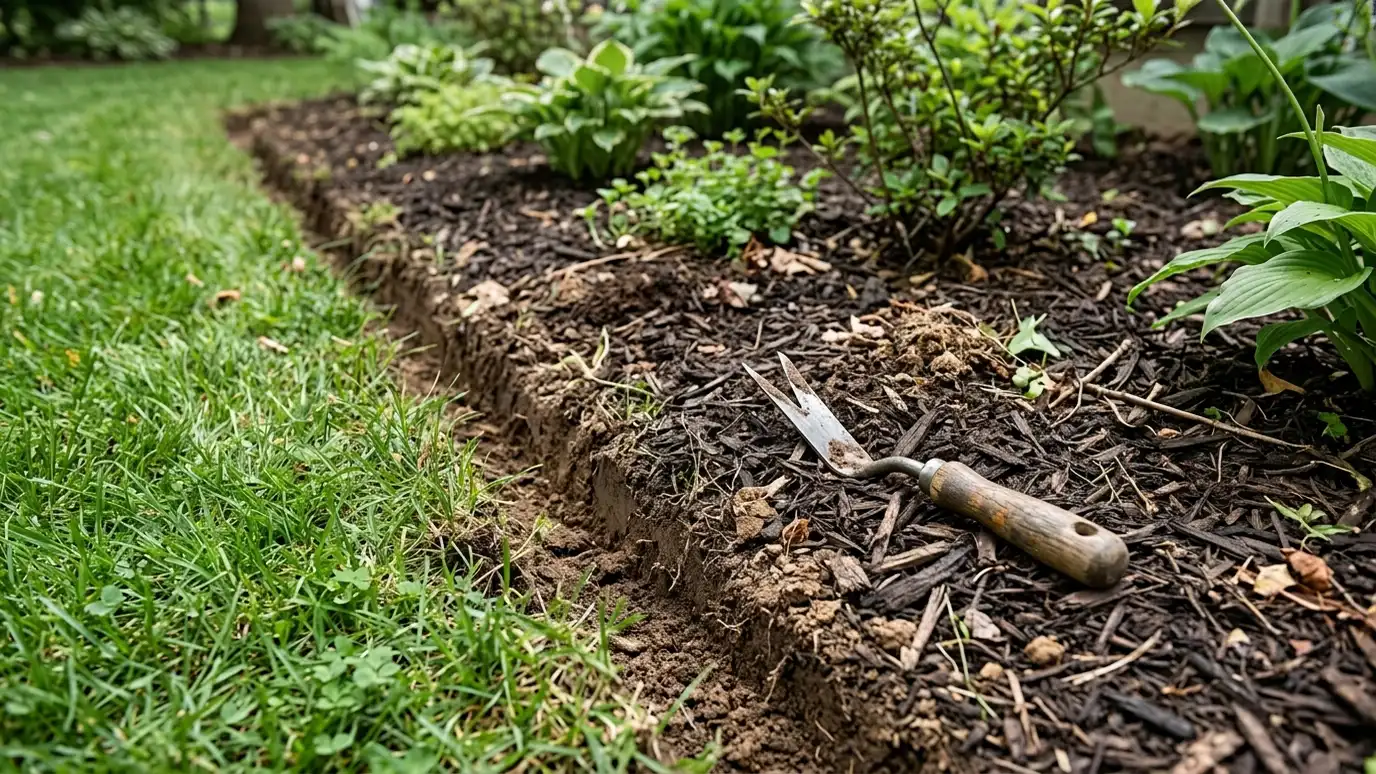
Two to three inches is ideal for most beds. Under trees and shrubs, keep it a little shallower near the trunk. Refresh beds that already have mulch with one inch.
Too much mulch can suffocate roots.
Convert to cubic yards
One cubic yard covers about 108 square feet at three inches deep, or about 160 at two inches. Divide your square footage by those numbers to get yards.
Our materials calculator does this for you.
Bags or bulk
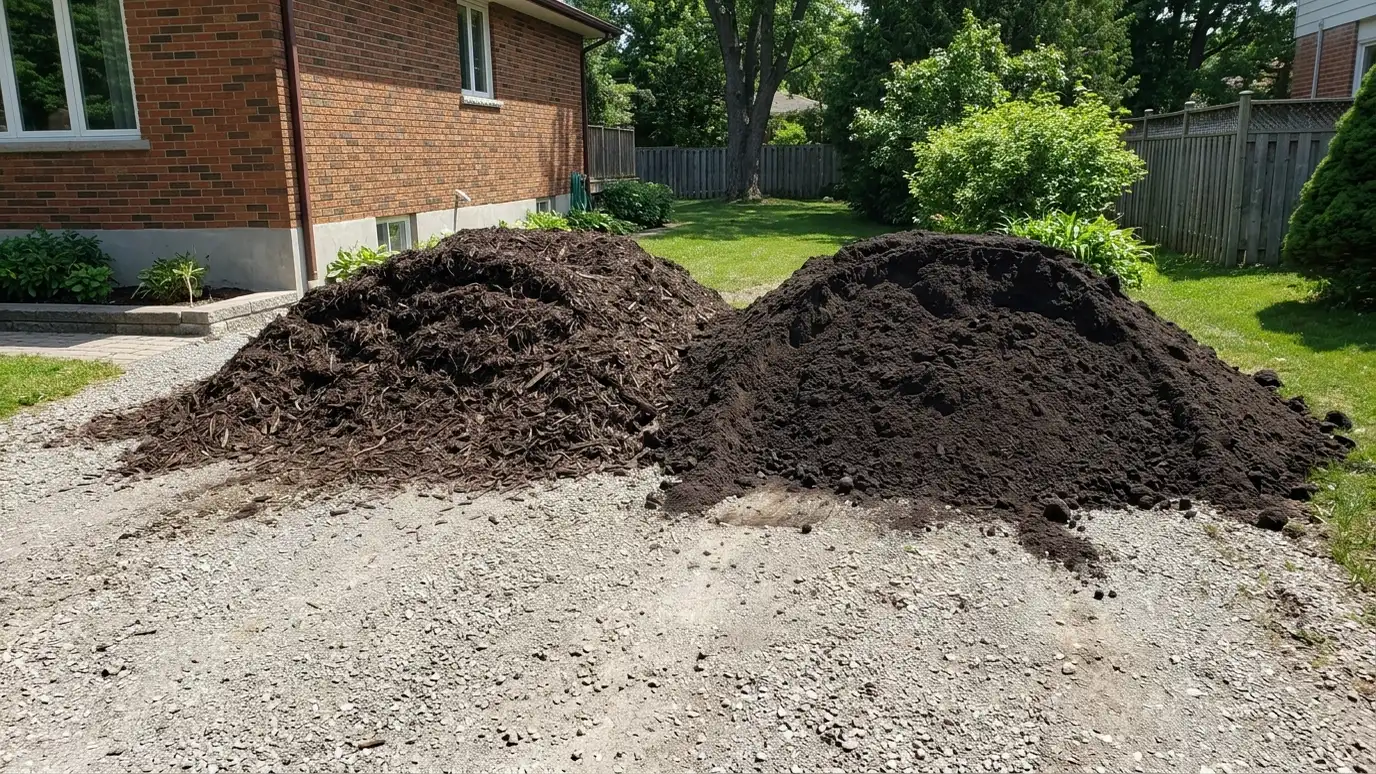
A typical bag holds two cubic feet, so thirteen and a half bags make a cubic yard. Bulk delivery usually costs less above two or three yards and is much easier.
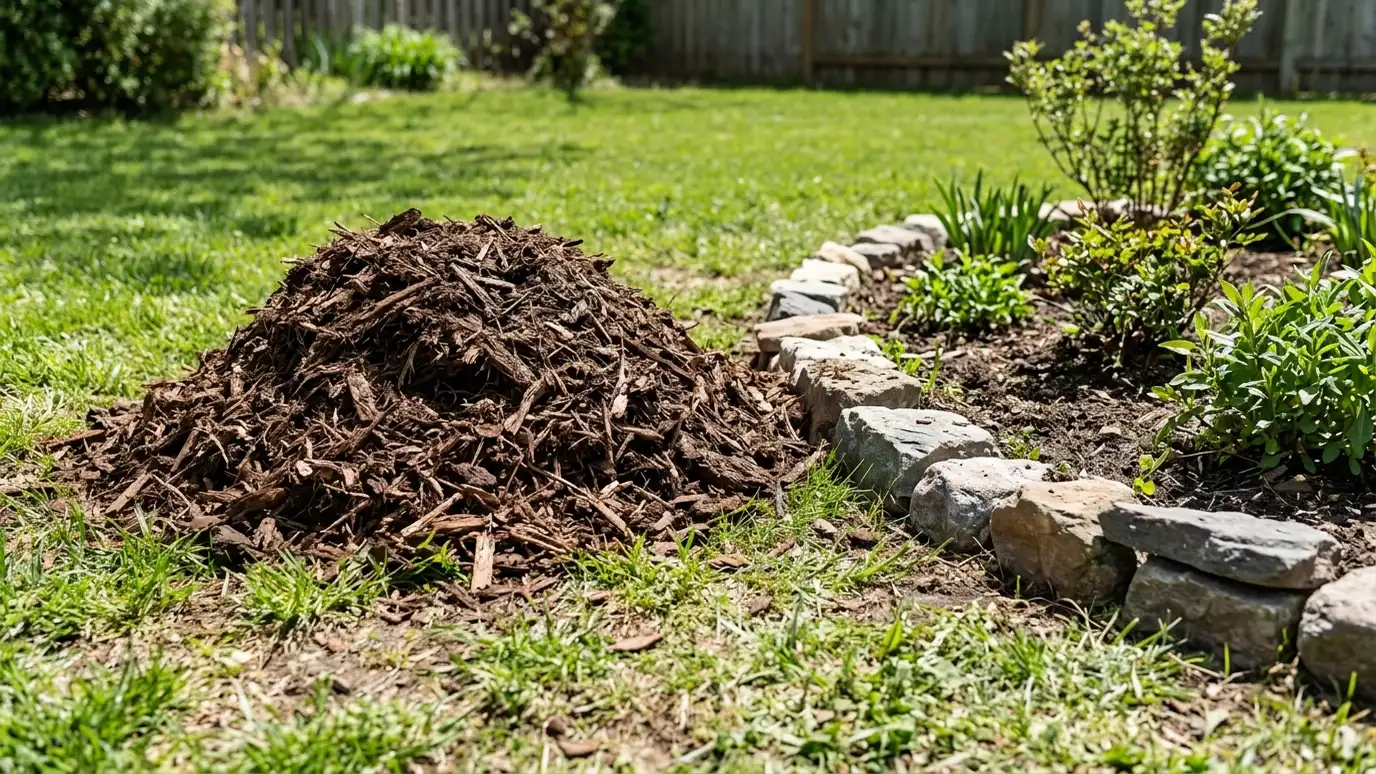
Plan where the pile will sit and how it will get to the beds.
Choose the type
Shredded hardwood stays put, pine bark lasts long, pine straw is light and dyed mulches hold color. Match the look to your house and your plants.
Avoid mulch that smells sour, a sign of poor aging.
Common mistakes
Piling mulch against trunks, using landscape fabric under thick mulch and adding a new layer every year without removing old matted mulch all cause trouble.
Rake and fluff old mulch before topping up.
Order smart
Round up a little, because settling and uneven beds use more than the math says. Leftover mulch can be spread on paths or saved for fall top-ups.
Ask whether the supplier screens and ages mulch, which affects how it looks, smells and performs.
Two to three inches deep, kept away from trunks, ordered by the yard, with old mulch fluffed rather than buried.