Why quotes vary so much
Two quotes for the same yard can be far apart, and the lower one is not always the better deal. One may include soil preparation, drainage correction, larger plants and cleanup, while another leaves out the parts that decide whether the project lasts. Always ask what is included before you compare totals.
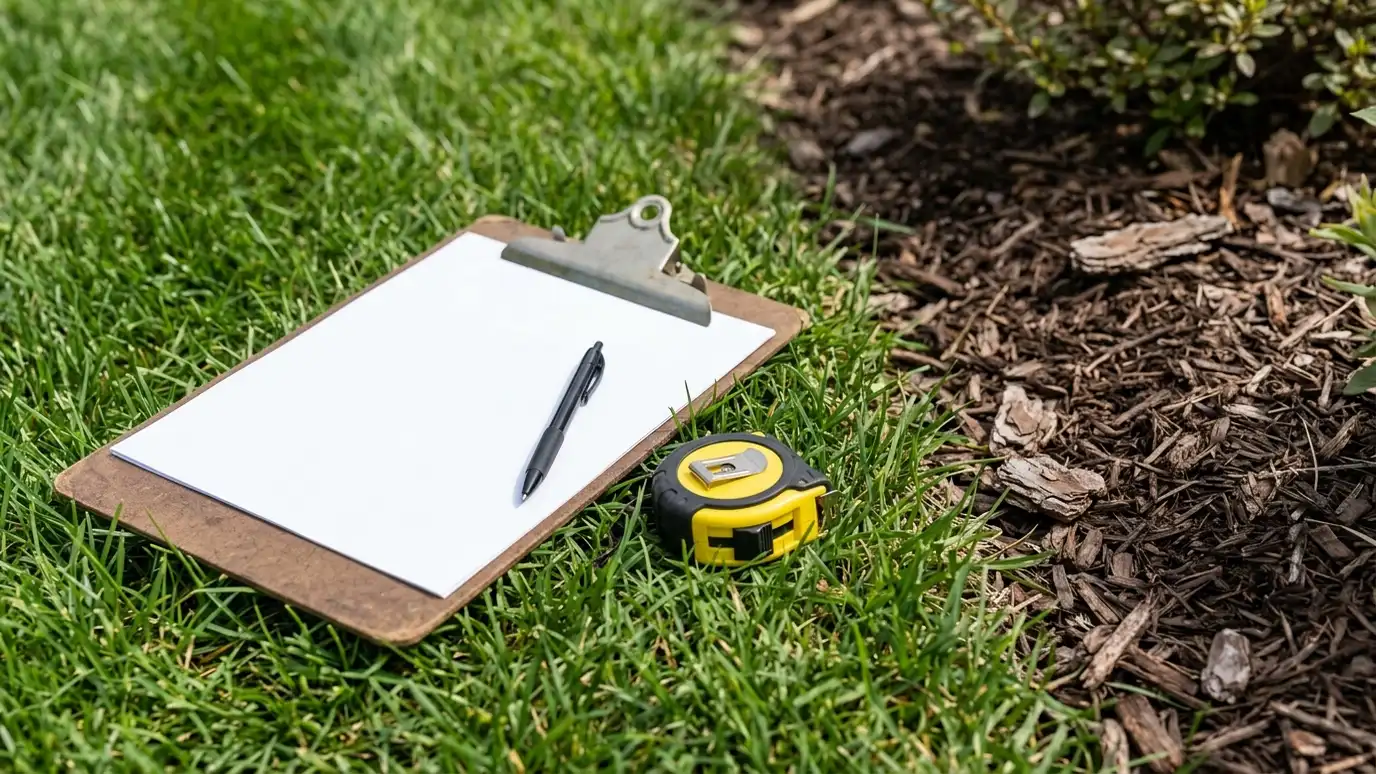
A good quote lists the areas, the plant sizes and counts, the materials and quantities, the preparation and the cleanup. Vague quotes are where surprises hide.
What drives the cost of planting
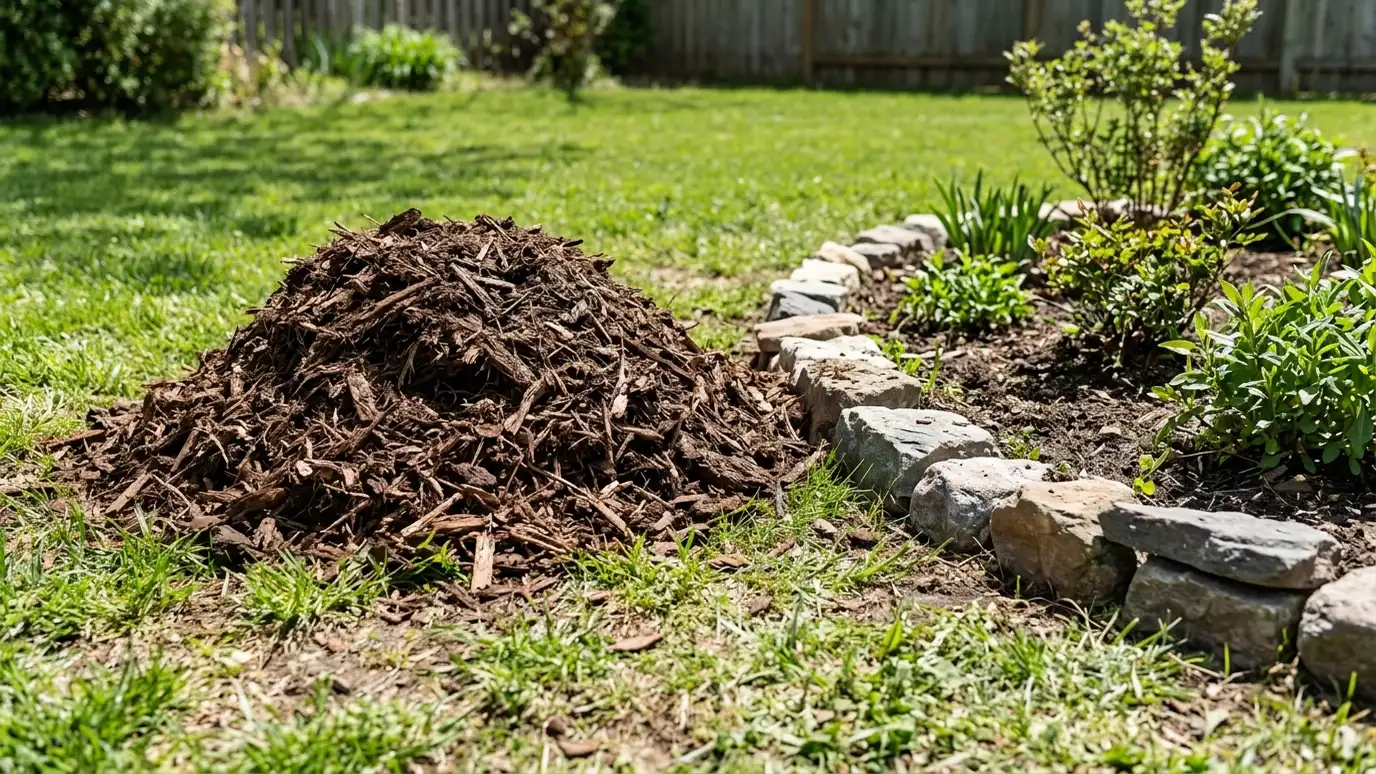
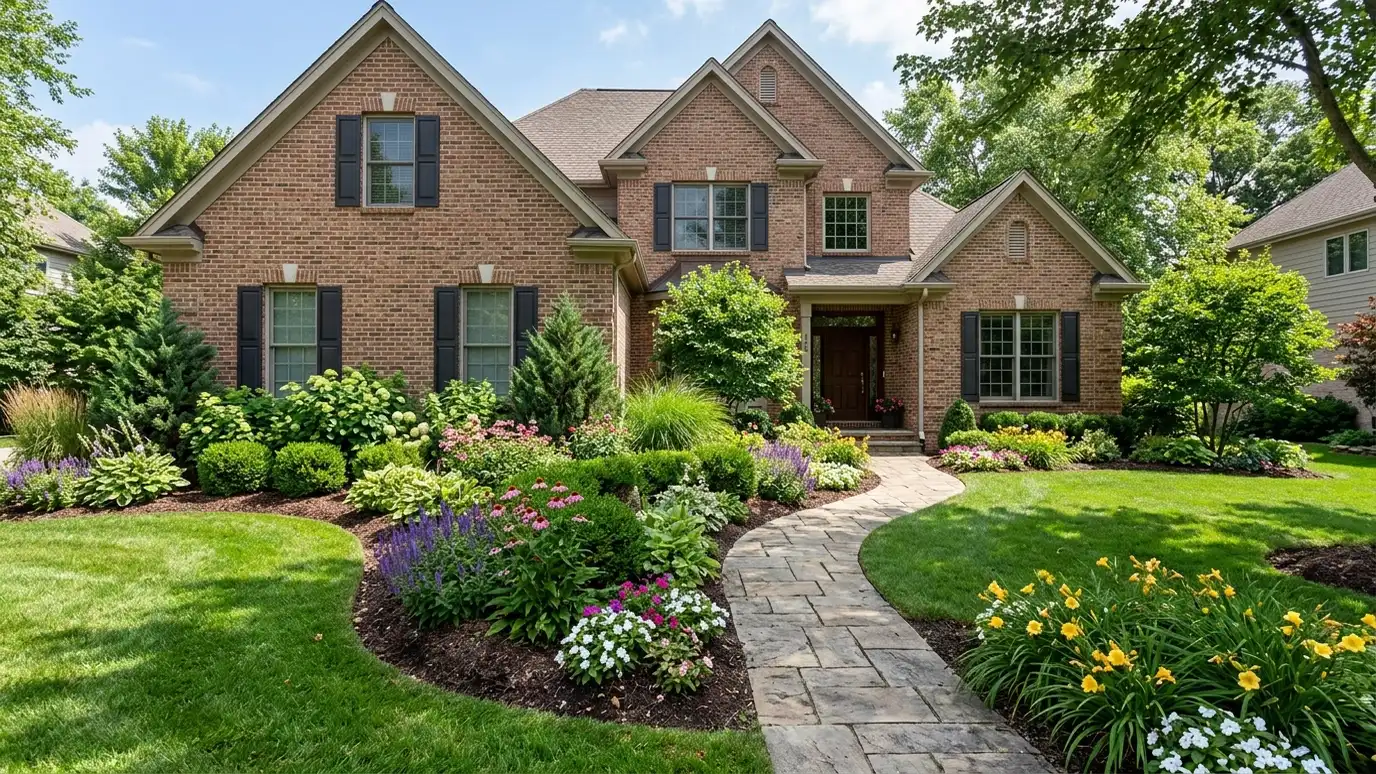
Plant size is the biggest driver. A one-gallon shrub costs far less than a fifteen-gallon one, and trees range from small whips to large specimens. Bed preparation, soil amendment, mulch and edging add to the total, as does the number of plants.
Access matters as well. If equipment cannot reach the site, plants and materials must be carried in by hand, which adds labor.
What drives the cost of hardscape
Patios, walls and walks depend on area, material and base preparation. Natural stone costs more than concrete pavers, and both cost more than poured concrete. Slopes, drainage, retaining walls and steps add engineering and labor.
A strong base is the part you cannot see, and it is the part most worth paying for.
What drives the cost of lawns
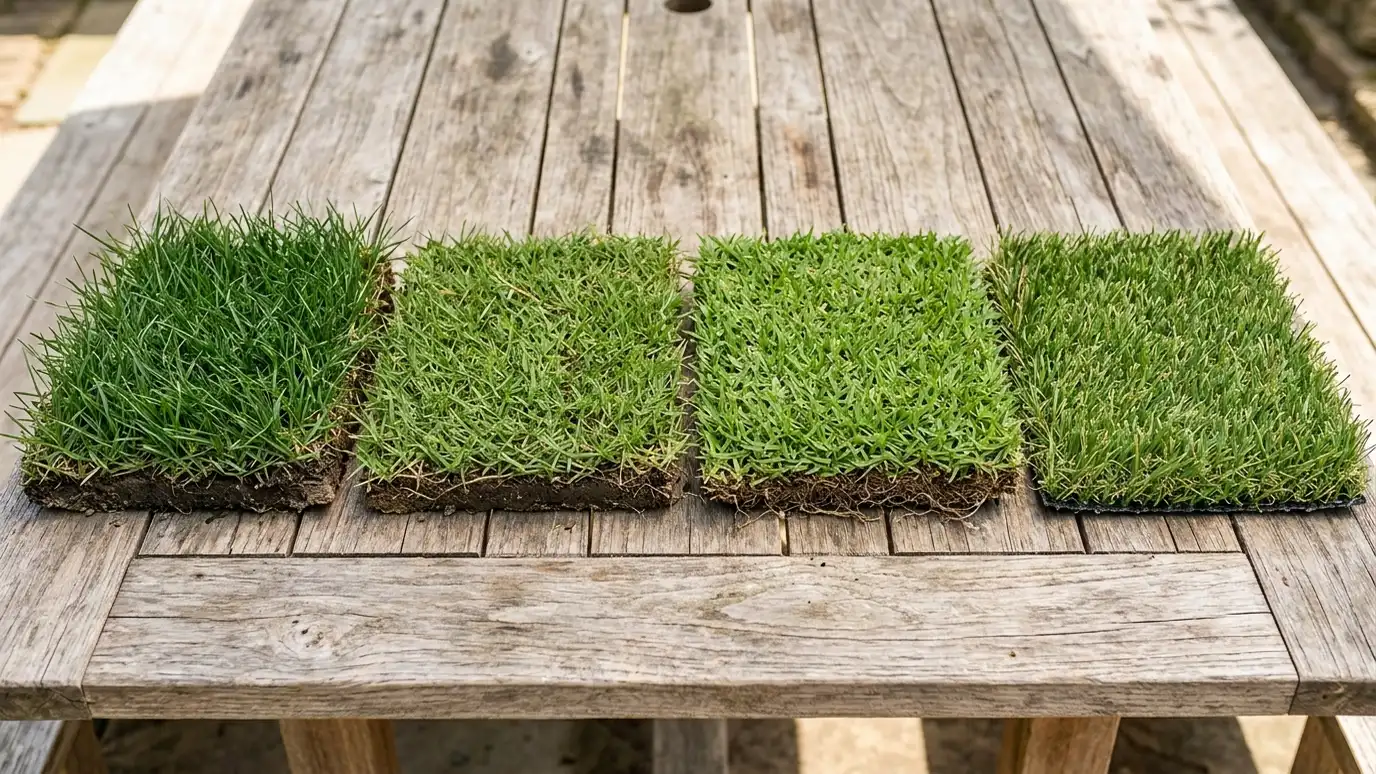
Sod costs more than seed, and warm-season grasses cost more than fescue. Grading, topsoil, irrigation and removal of old turf add to the total. Ongoing lawn care is priced by area and the number of visits.
Artificial turf has a higher upfront cost with almost no yearly upkeep.
How to compare proposals
Compare the same things: plant sizes, soil preparation, base depth, drainage, irrigation, lighting, cleanup and schedule. Ask who does the work and how problems are handled. Be wary of quotes far below the rest.
Ask what happens if a hidden problem turns up, such as rock, old footings or poor drainage, and how changes are priced.
Spending wisely
Match the work to the need. Fresh mulch and pruning may be all a bed needs. A full redesign makes sense when the layout no longer works. Phasing a large project across seasons spreads the cost and lets you see results as you go.
Our planning tools give ballpark ranges before a visit, and a written scope gives firm numbers after.
Questions to ask before you sign
Ask how many plants and what sizes are included, how deep the mulch will be, what the soil preparation involves and whether removal of old material is part of the price. Ask how drainage will be handled and who is responsible if a plant fails in the first season.
Also ask about the schedule and what happens if weather delays work. A clear answer to each of these questions tells you more about a company than the price alone.
Compare what is included and how the work is prepared, not just the total, and phase large projects so every dollar goes where it helps most.