Water deeply
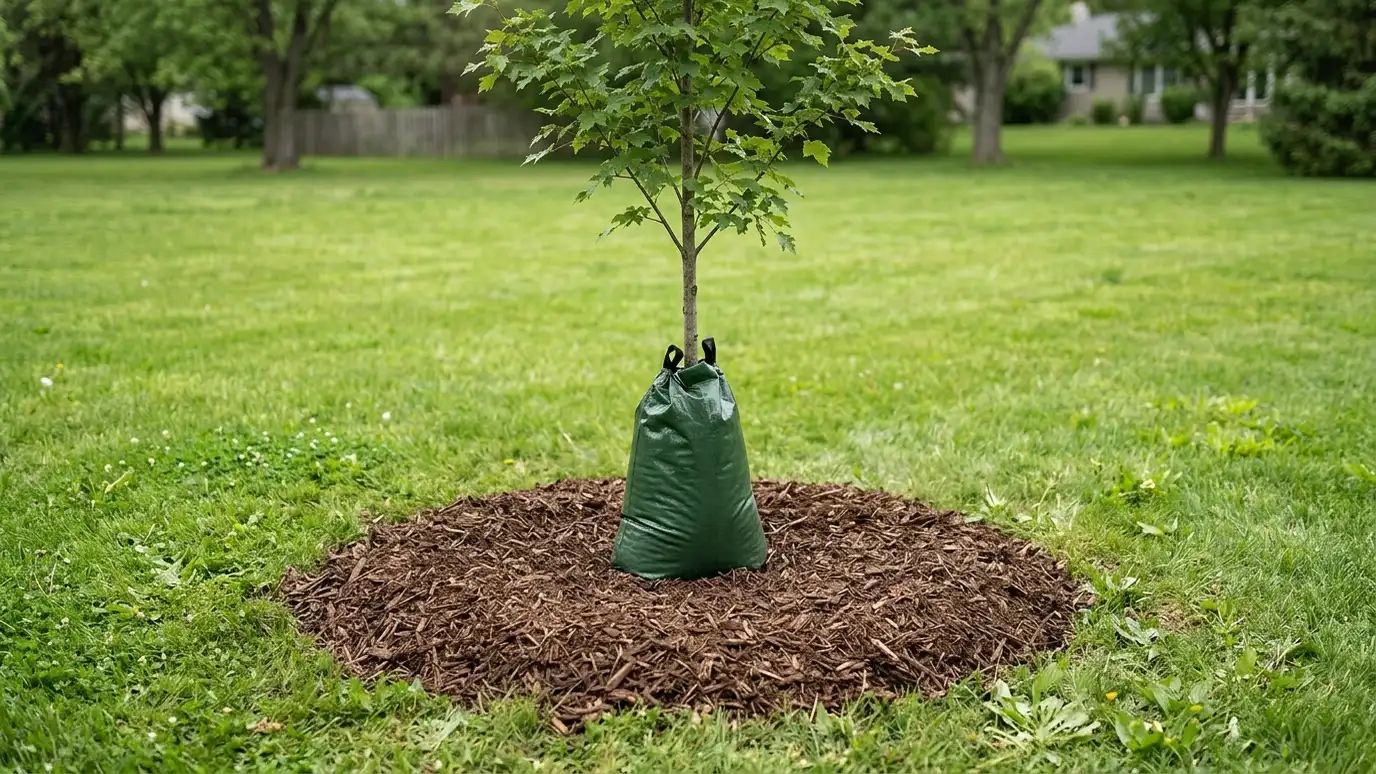
A new tree needs a slow, deep soaking once or twice a week during the first season, more in hot, dry spells. Let a hose trickle at the base for several minutes or use a watering bag.
Check the soil a few inches down before you water.
Mulch correctly
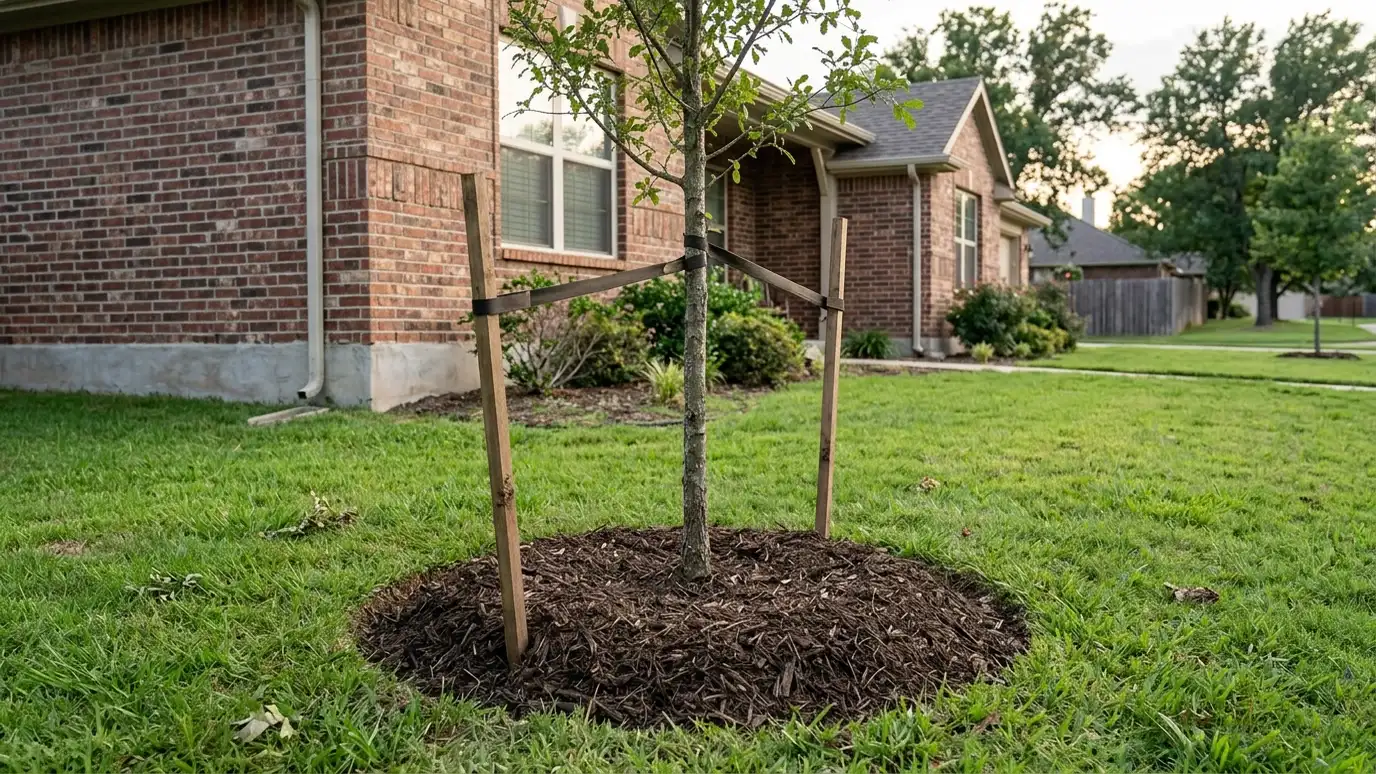
Spread two to three inches of mulch in a wide circle, keeping it a few inches from the trunk. Mulch holds moisture and protects roots from lawn equipment.
Avoid mulch volcanoes piled against the trunk.
Stake only if needed
Most trees do not need stakes. Use them for tall trees in windy spots, with flexible ties, and remove them after a year.
Trunks need to move to grow strong.
Prune lightly
Remove only dead or damaged branches in the first years. Wait on shaping until the tree has established.
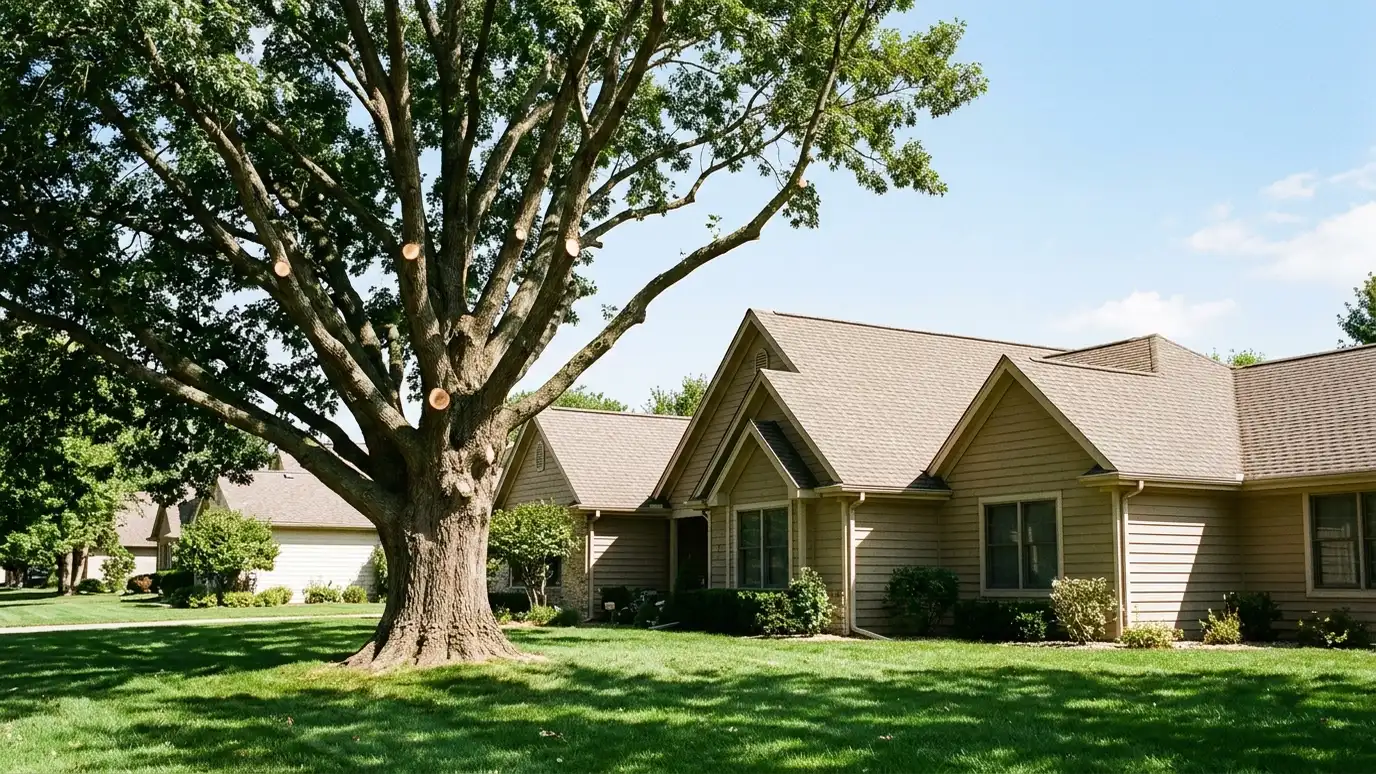
Do not top trees.
Feed carefully
Skip fertilizer the first year, as roots need time to settle. Later, feed according to a soil test.
Avoid spreading weed killers near roots.
Watch for trouble
Wilting, early leaf drop, dead tips and gnawed bark are signs of stress or pests. Catch problems early and ask for help.
Protect trunks from mowers and trimmers.
Protect the trunk and roots
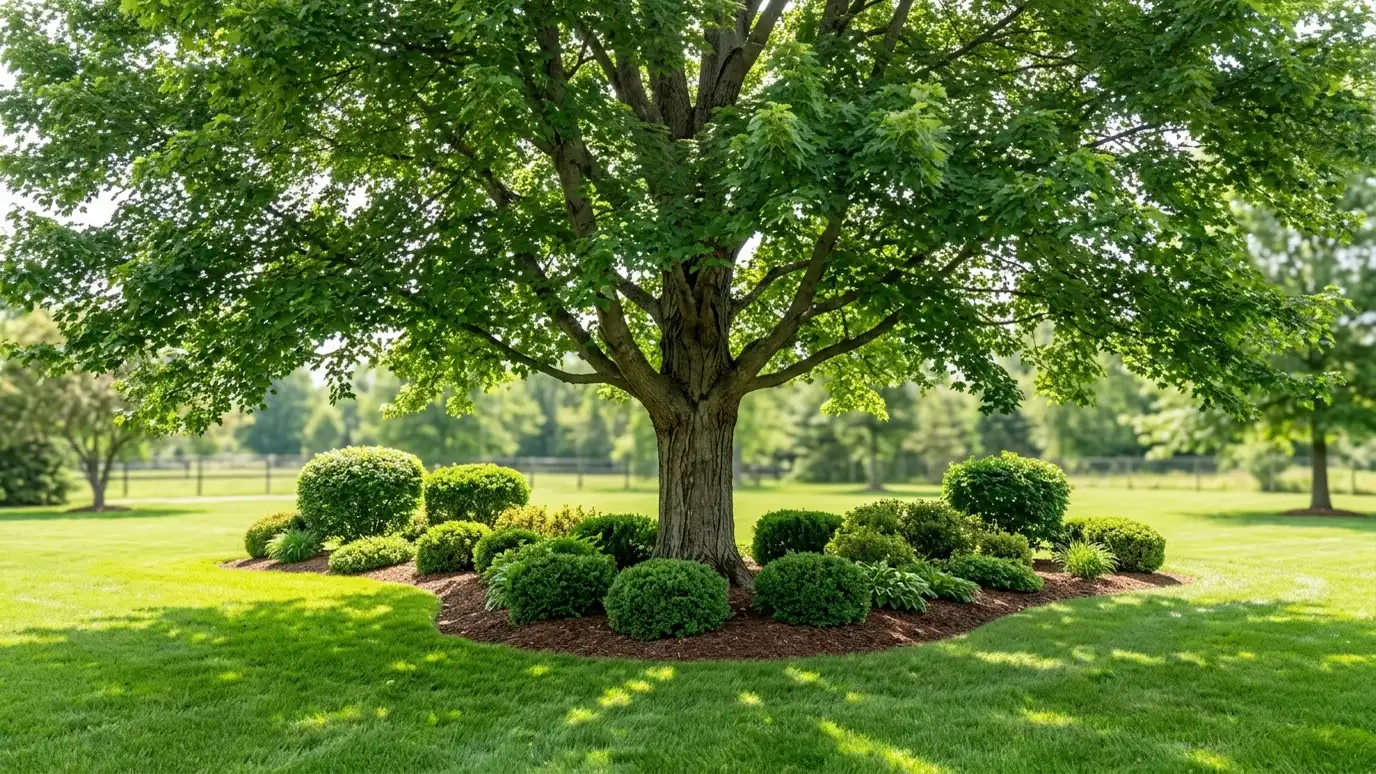
Mower and trimmer damage is a leading cause of tree decline. A wide mulch ring keeps equipment away from the bark. Do not pile soil against the trunk, and avoid trenching near the root zone.
Stake guards or trunk wraps may help the first winter in areas with rabbits or deer.
Deep water, correct mulch and patience, repeated for two years, give a new tree the best chance of a long life.