How much water
Most lawns need about an inch of water a week, from rain and irrigation combined. Use a rain gauge or empty cans to see what you apply. New plantings need more.
Watering deeply encourages deep roots and drought resistance.
Best time of day
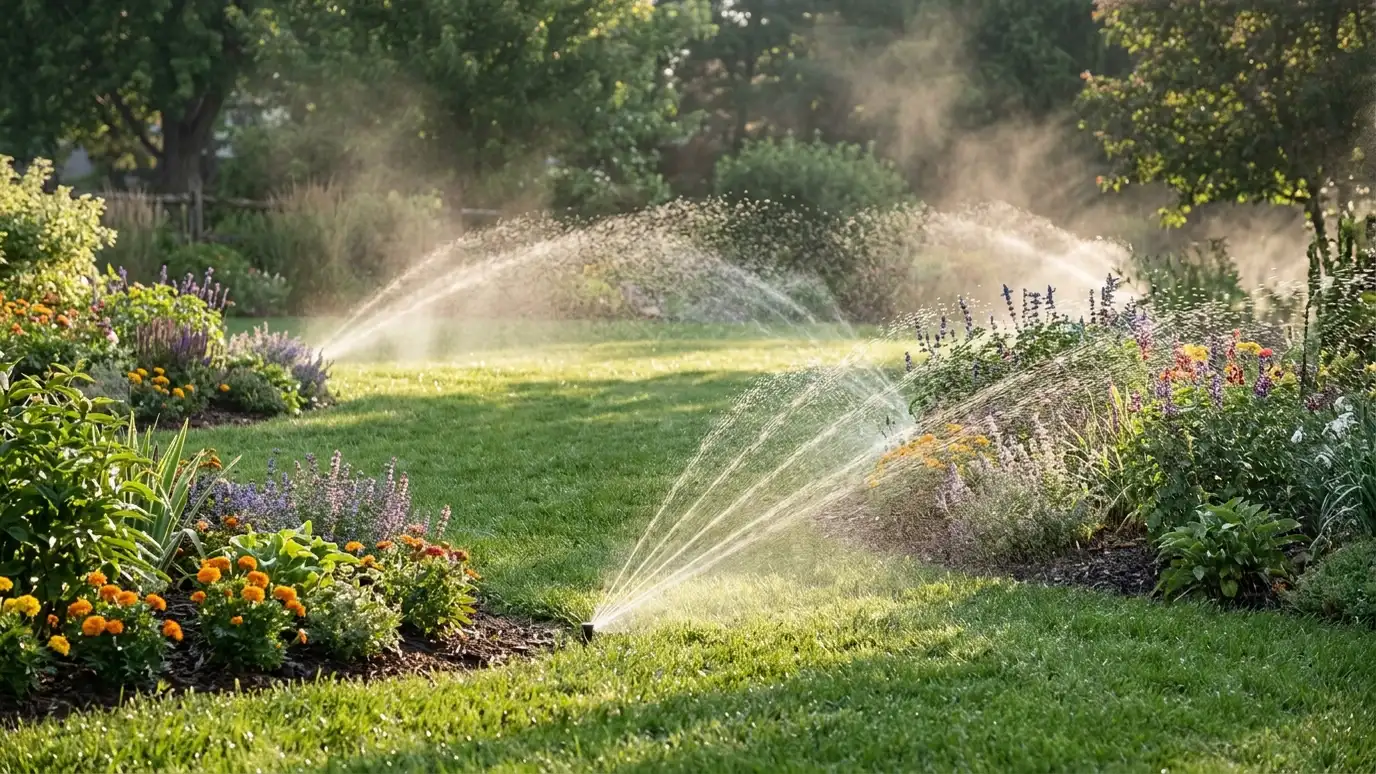
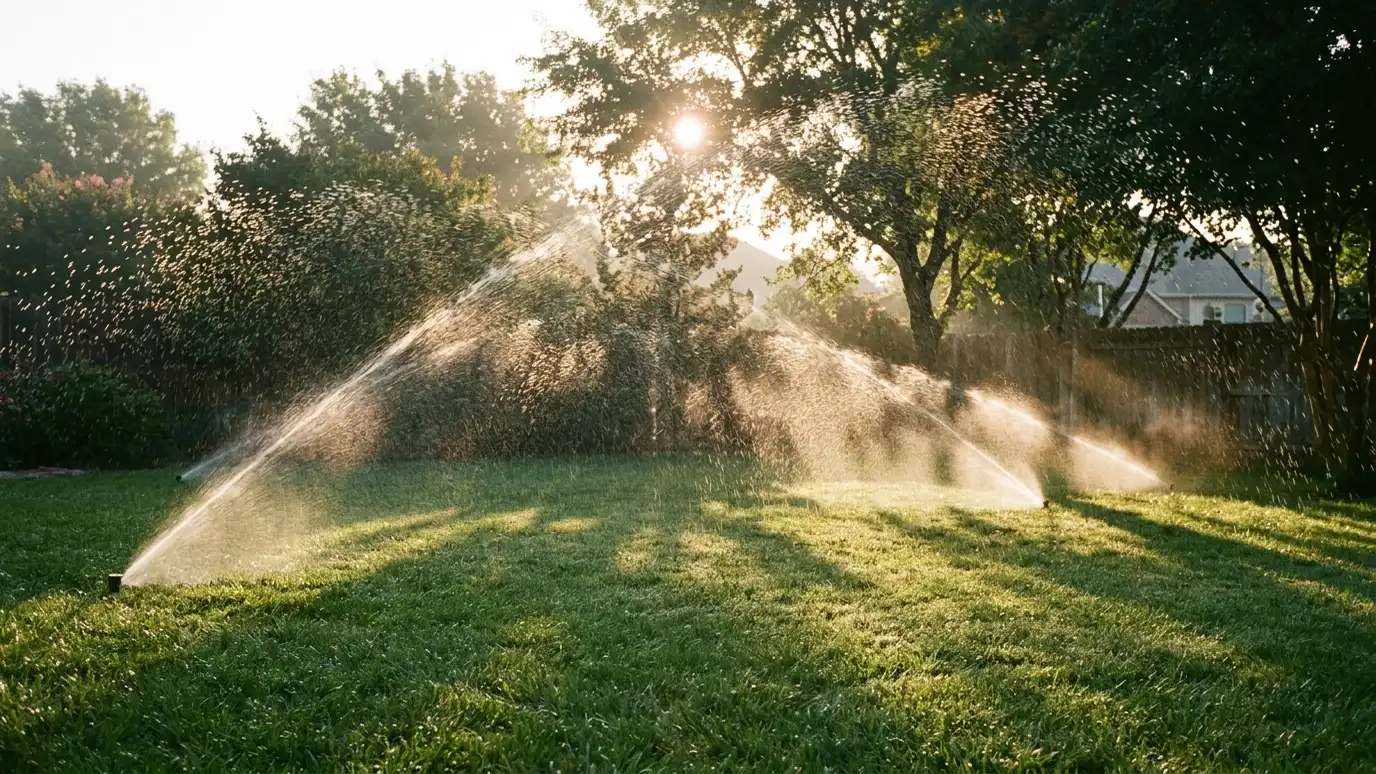
Early morning, before sunrise to mid-morning, is best. Water soaks in before heat and wind take it, and leaves dry quickly. Evening watering can encourage disease.
Avoid watering in the heat of the afternoon.
Clay and slopes
Clay absorbs water slowly, so use cycle and soak: run for a short time, pause and run again. This avoids runoff, especially on slopes.
Check for puddles and adjust.
New plants and sod
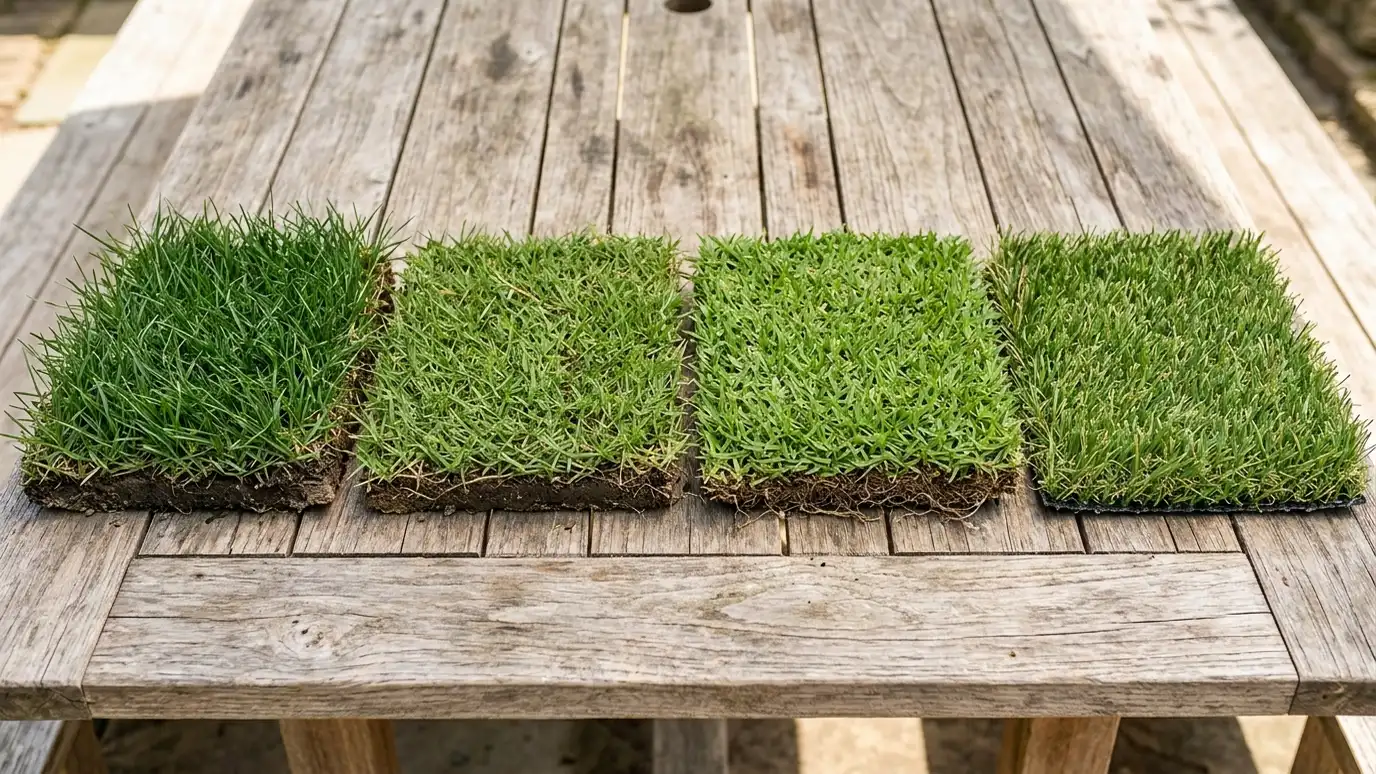
New sod needs frequent watering at first, even daily, then less as roots grow. New trees and shrubs need a deep soaking once or twice a week for the first two seasons.
Mulch helps hold moisture.
Beds and containers
Drip irrigation delivers water at the roots with less waste. Containers dry quickly in summer and may need daily watering. Group plants by water needs.
Check the soil with a finger.
Signs of trouble
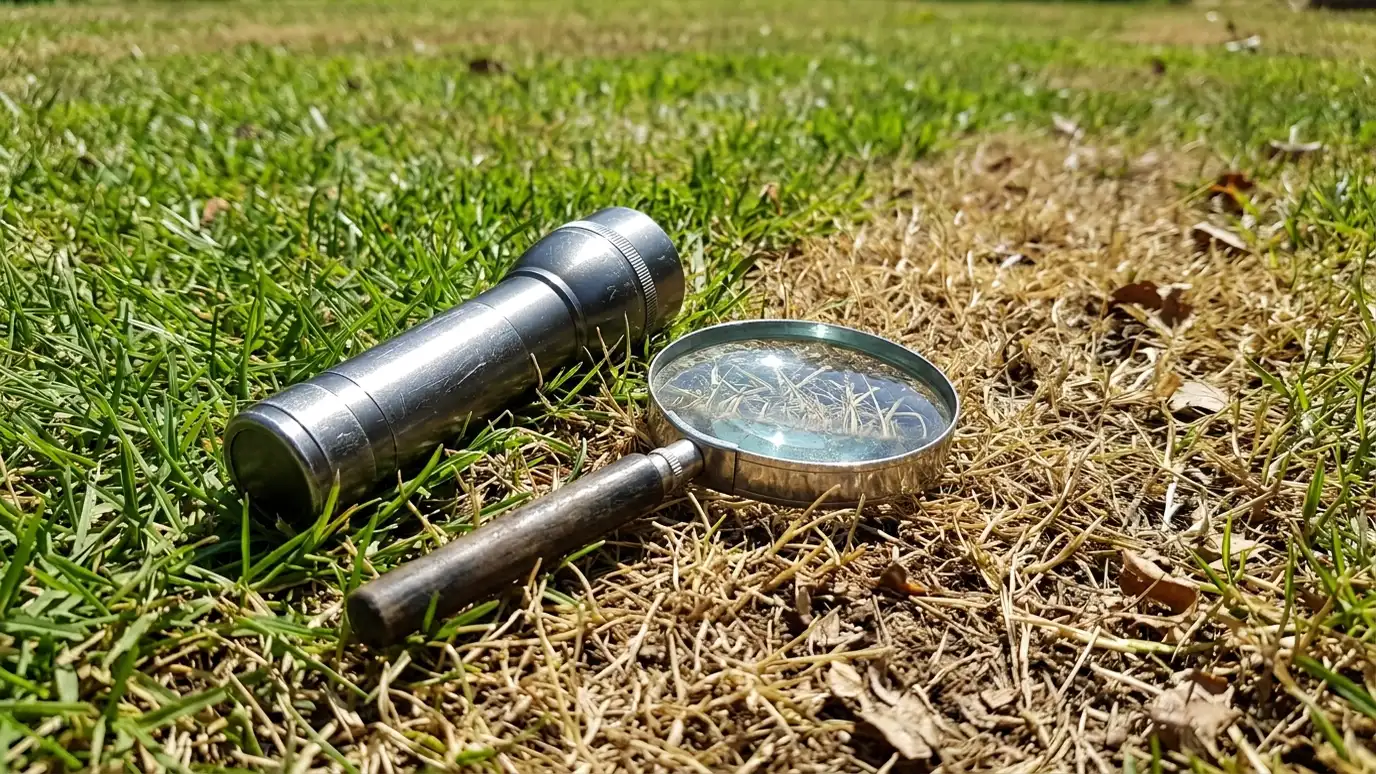
Grass that holds footprints, turns blue-gray or shows curling leaves is thirsty. Soggy soil, mushrooms and yellow leaves mean too much.
Adjust to what the plants show you.
Smart tools that help
A rain gauge, a soil moisture probe and a smart controller with a rain sensor make watering easier and wiser. A simple tuna can test shows how much your sprinklers apply in a cycle.
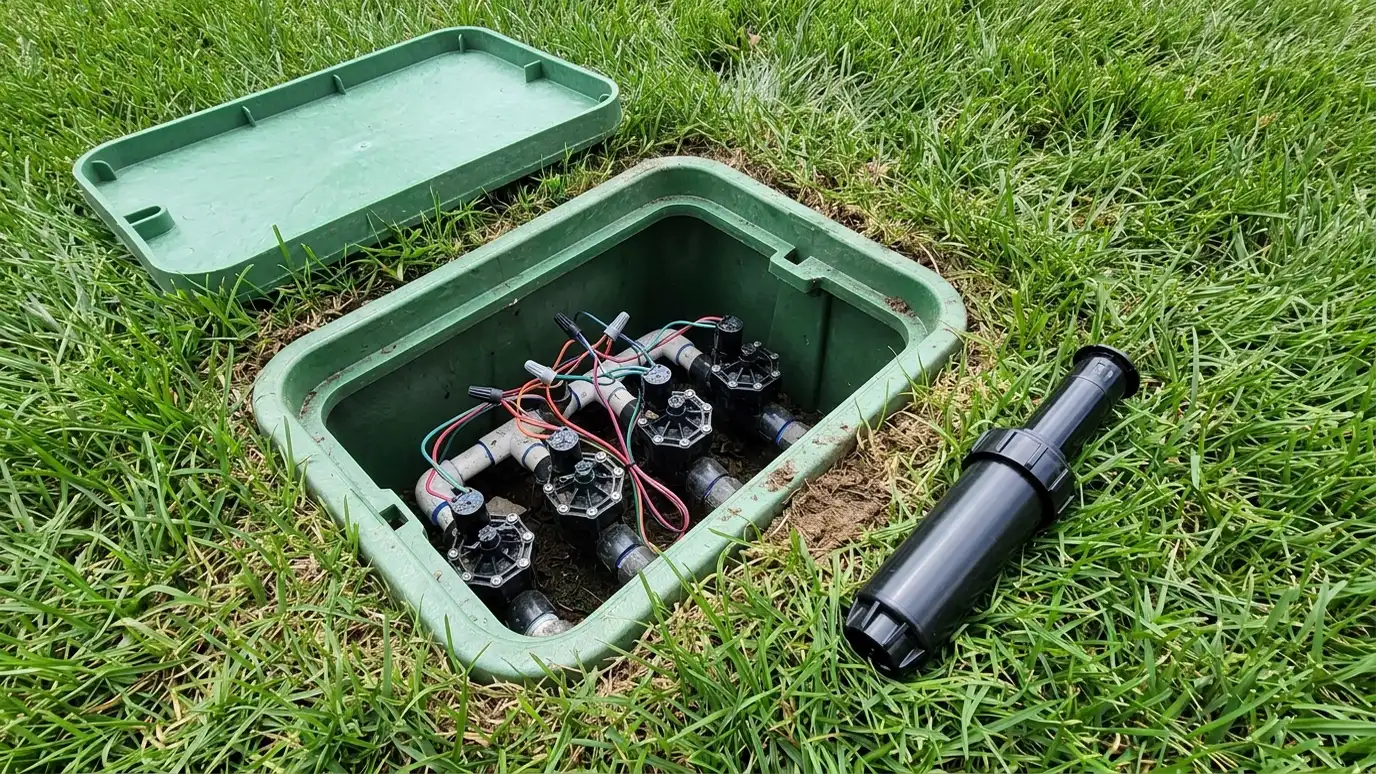
Check for leaks and misaligned heads each spring, because even small problems waste a lot of water.
Water deeply, early in the morning and less often, and let the plants and the soil, not the calendar, tell you when to adjust.