Concrete pavers
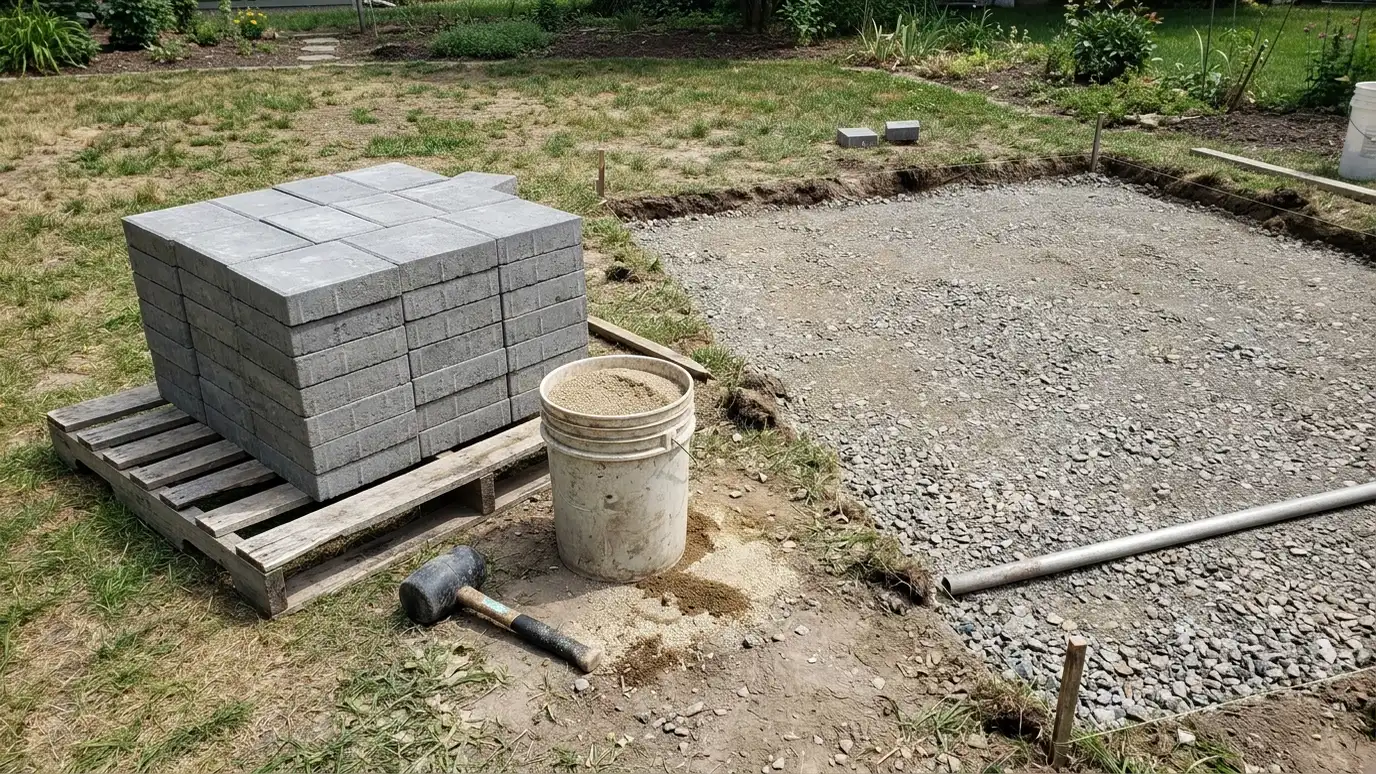
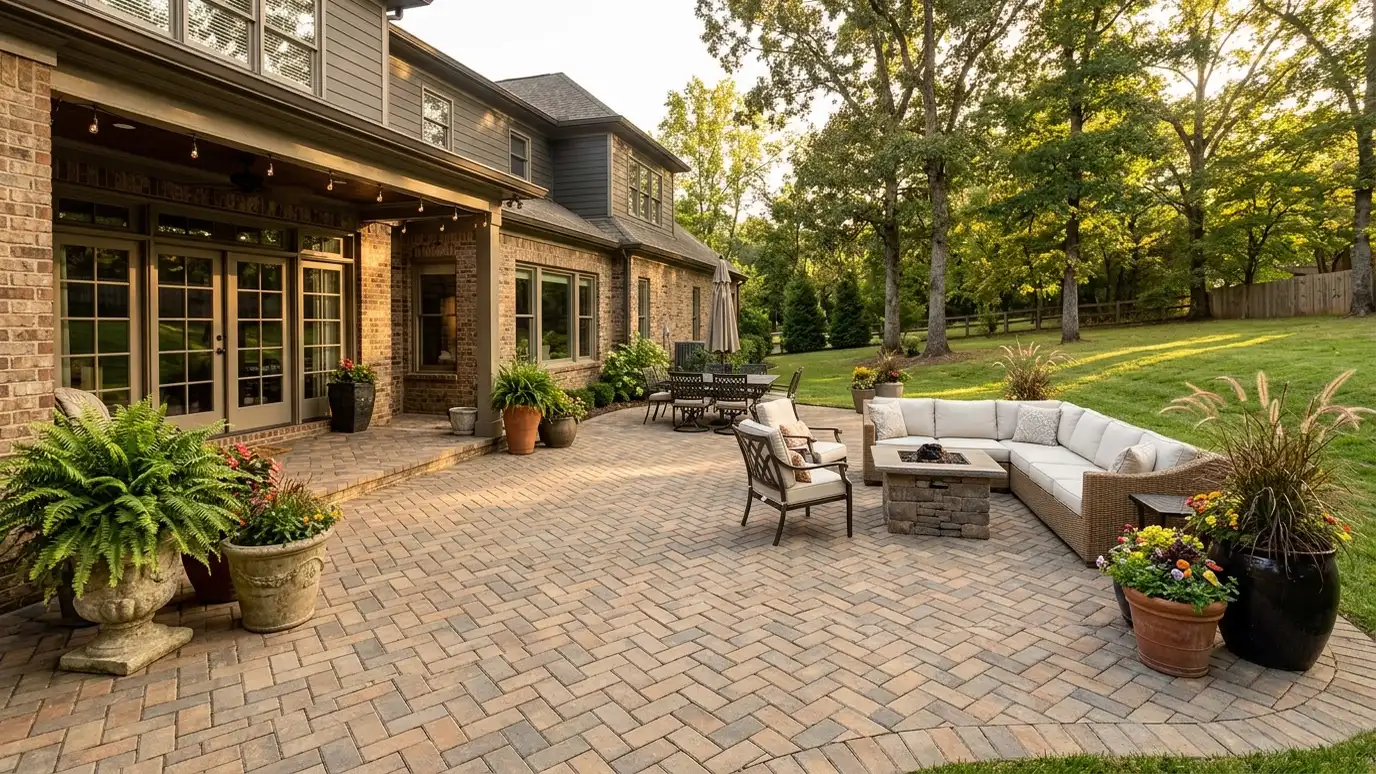
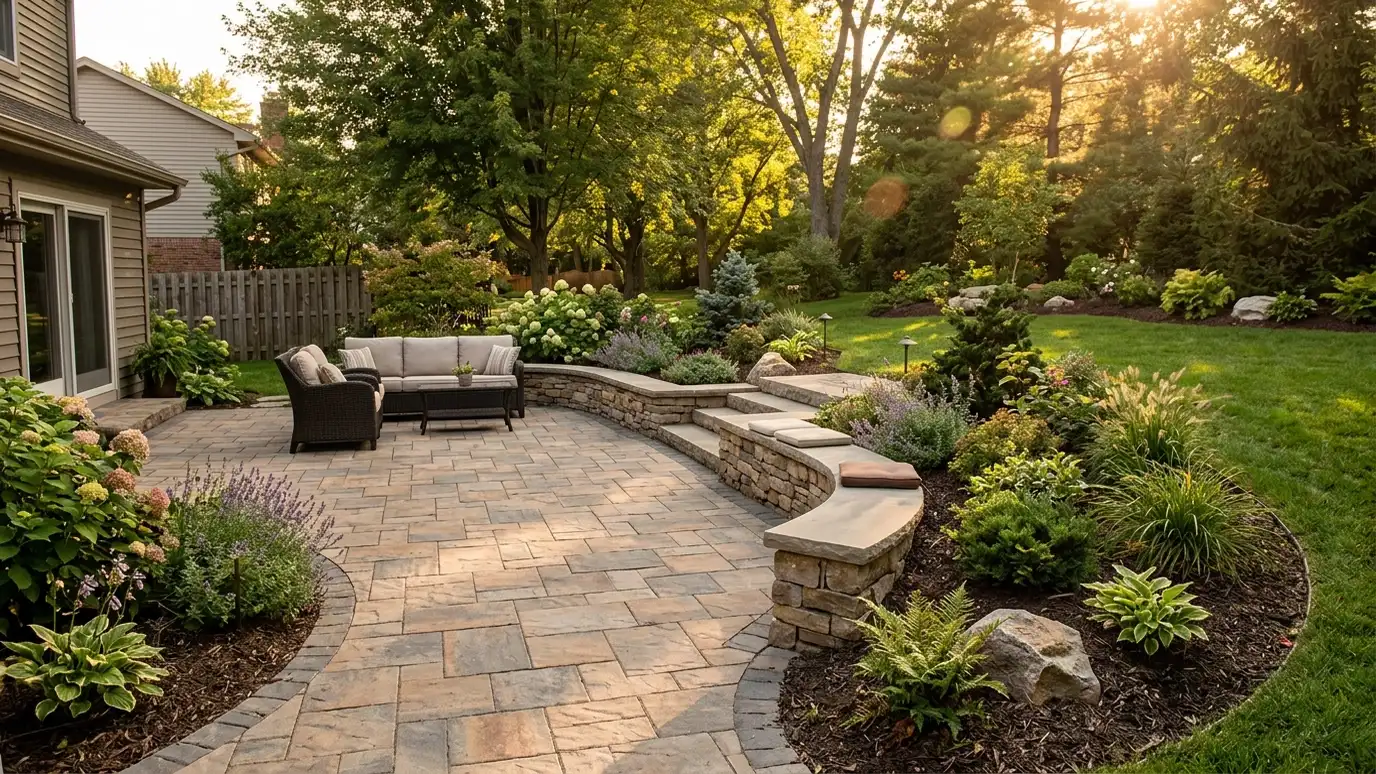
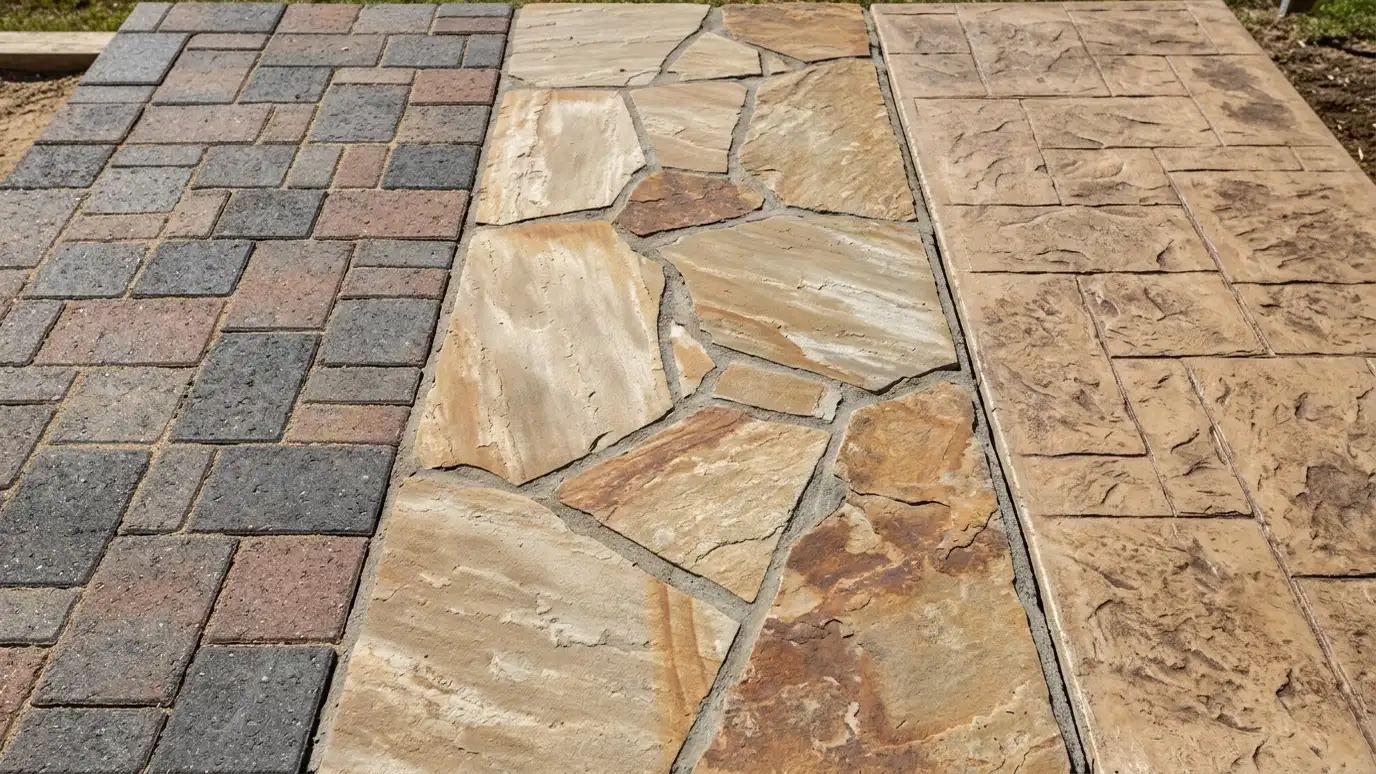
Pavers come in many shapes, colors and textures and are laid on a compacted base with sand-filled joints. They are flexible, so they handle small ground movement, and individual pavers can be lifted and replaced.
They need a good base and edge restraints, and joints need occasional sand.
Poured concrete
Concrete is the most economical option and can be broom finished, colored or stamped. It makes a smooth, continuous surface. Cracks can appear as clay soil moves, so base preparation and joints matter.
Repairs are possible but may be visible.
Flagstone and natural stone
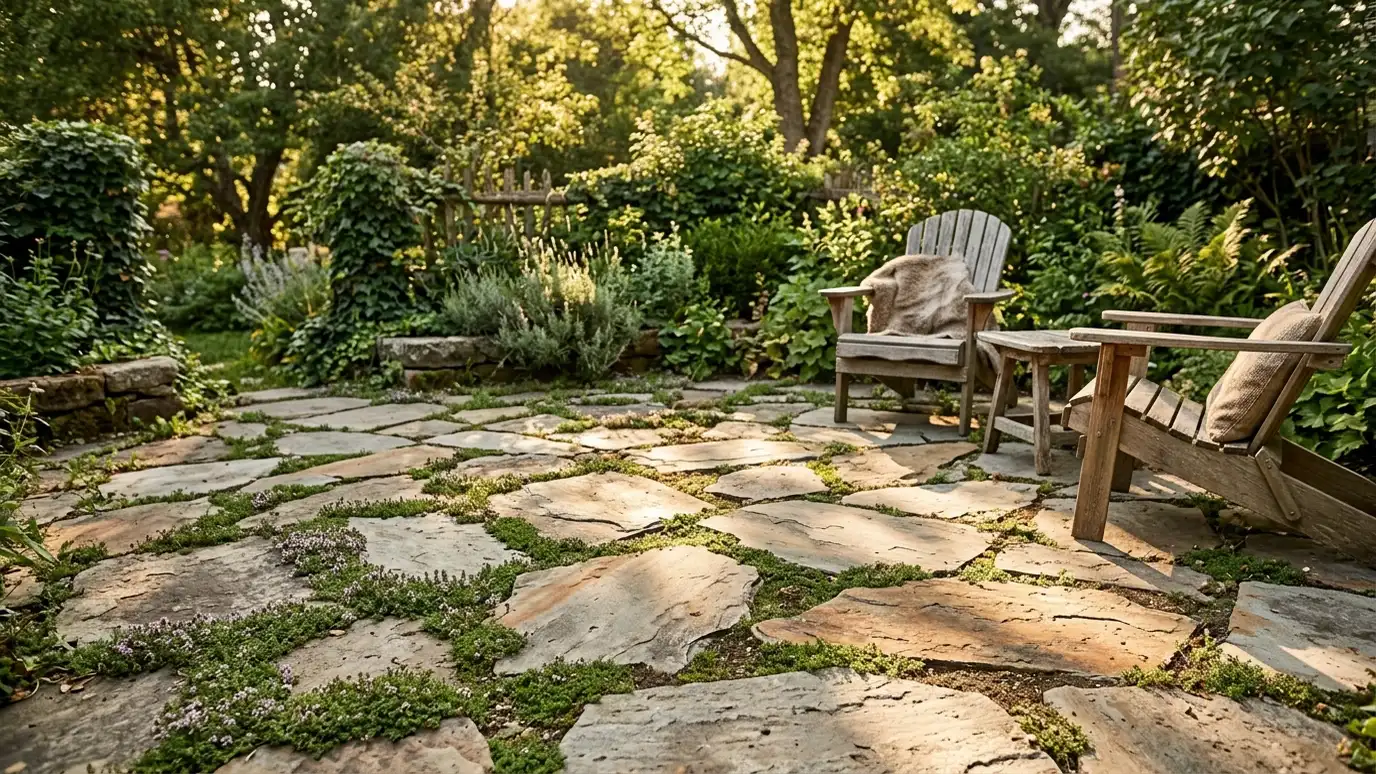
Natural stone has unmatched character and ages beautifully. It suits informal and formal designs. It costs the most for materials and labor, and installation takes skill.
Dry-laid stone is flexible, and mortared stone is rigid.
Comfort and heat
Light-colored pavers and stone stay cooler underfoot than dark concrete. Textured surfaces grip better when wet. Consider bare feet near pools and fire pits.
Shade also reduces heat.
Repair and longevity
Pavers and stone can be repaired piece by piece. Concrete repair involves patching or replacement. All three last decades when built on a proper base.
A poor base is the main reason any patio fails.
Which to choose
Choose pavers for a balance of cost, style and repairability. Choose concrete for economy and large areas. Choose natural stone for a premium, timeless look.
Many patios combine two materials, such as a concrete field with stone borders.
Details that matter for every surface
Edges, slopes and joints decide how a patio ages. Edge restraints keep pavers from spreading, a slope of about a quarter inch per foot sheds water and well-placed joints guide any cracks in concrete.
Ask how each installer prepares the base and how deep the stone is. This is the quality indicator you cannot see after the project is finished.
Spend on the base first, then choose the surface that fits your style and budget, and mix materials where it adds value.