Core aeration and dethatching that open compacted clay, let water and air reach roots and prepare lawns for seeding.
Compacted soil is one of the biggest hidden problems in Middle Tennessee lawns. Red clay packs down hard, especially around new homes where heavy equipment has driven over the ground. Water runs off, roots stay shallow and fertilizer does little good. Core aeration pulls small plugs from the lawn so air, water and nutrients can reach the roots, and it is one of the best things you can do for a struggling yard.
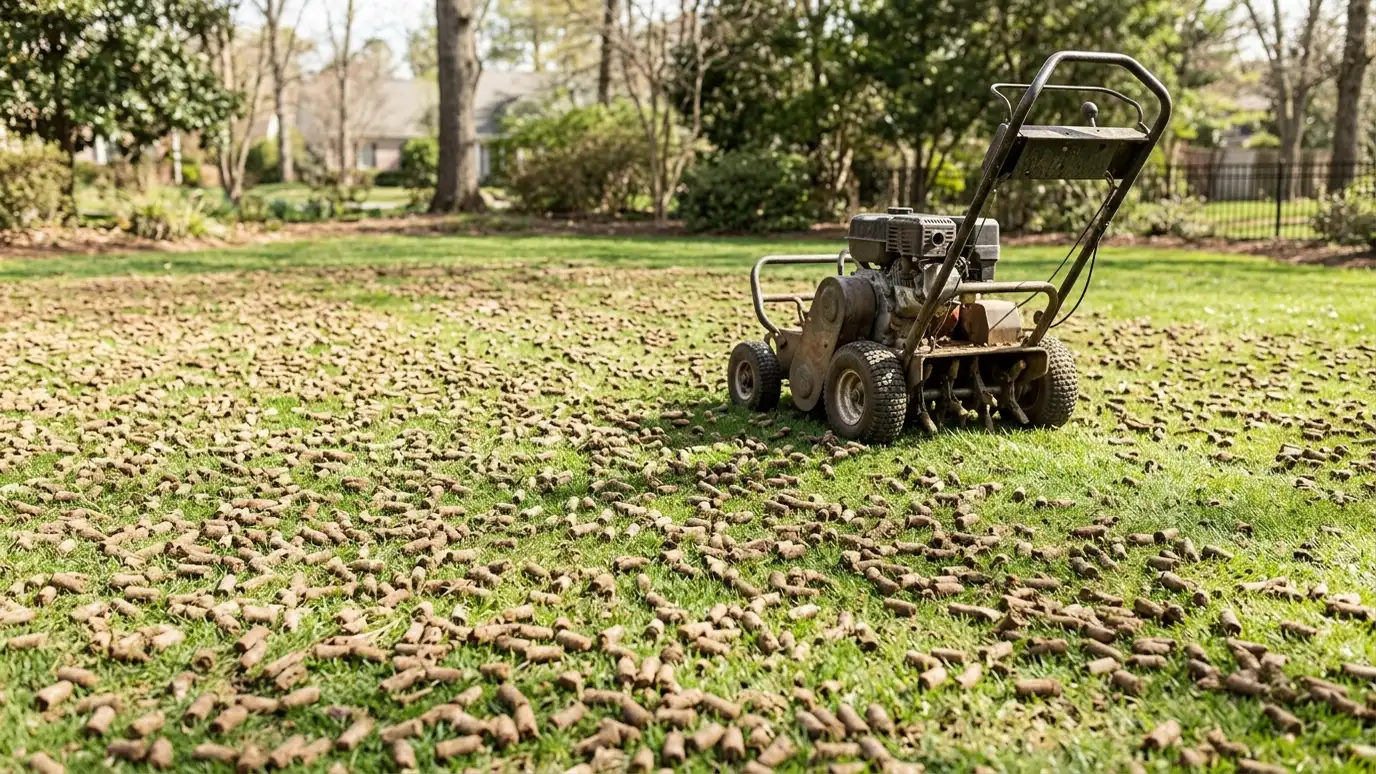
We aerate with machines that pull plugs rather than just poking holes, making passes in more than one direction on tight soil. The plugs break down and feed the lawn. When thatch, the layer of dead stems and roots at the surface, is thicker than about half an inch, we also dethatch to open the turf. Aeration pairs very well with overseeding in the fall for fescue and with spring feeding for warm-season grasses. We tell you honestly when your lawn needs it and when it does not. We also mark sprinkler heads and shallow lines before we start, and we walk the lawn afterward to confirm the plugs are evenly spread and the surface is ready for seed or feeding.
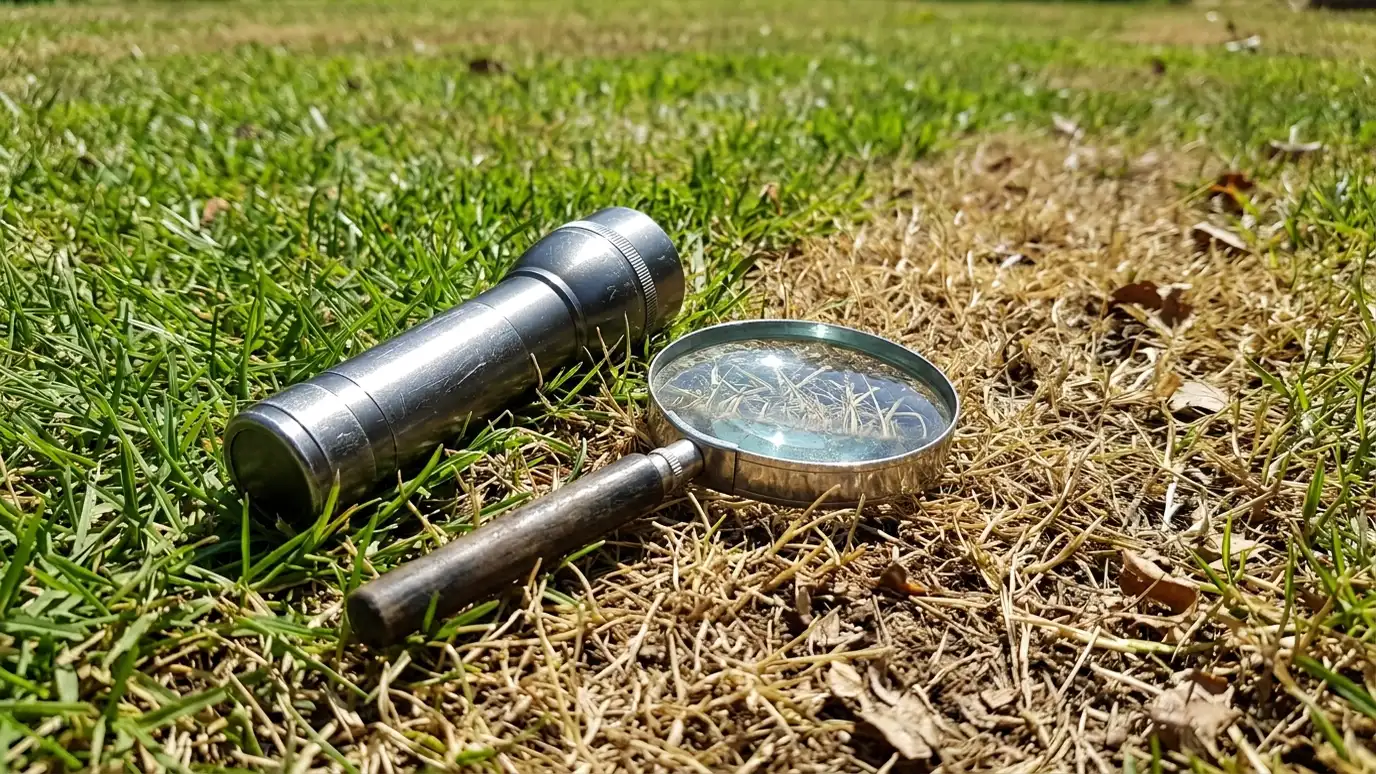
True core aeration removes soil plugs so compaction truly eases.
Heavy thatch is removed so water and seed can reach the soil.
Aeration and overseeding together give the strongest fall recovery.
We tell you when a lawn needs it and when it can wait.
Drag the handle to compare.
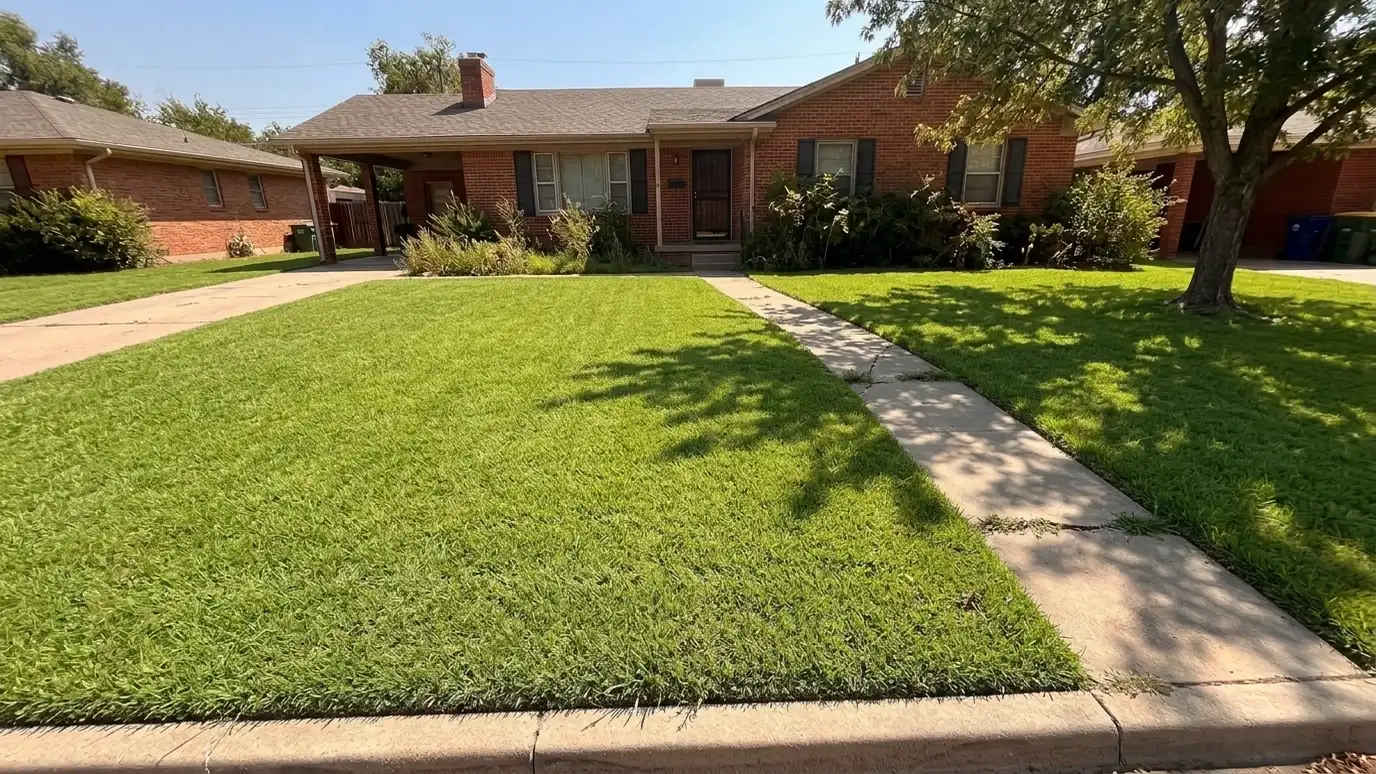
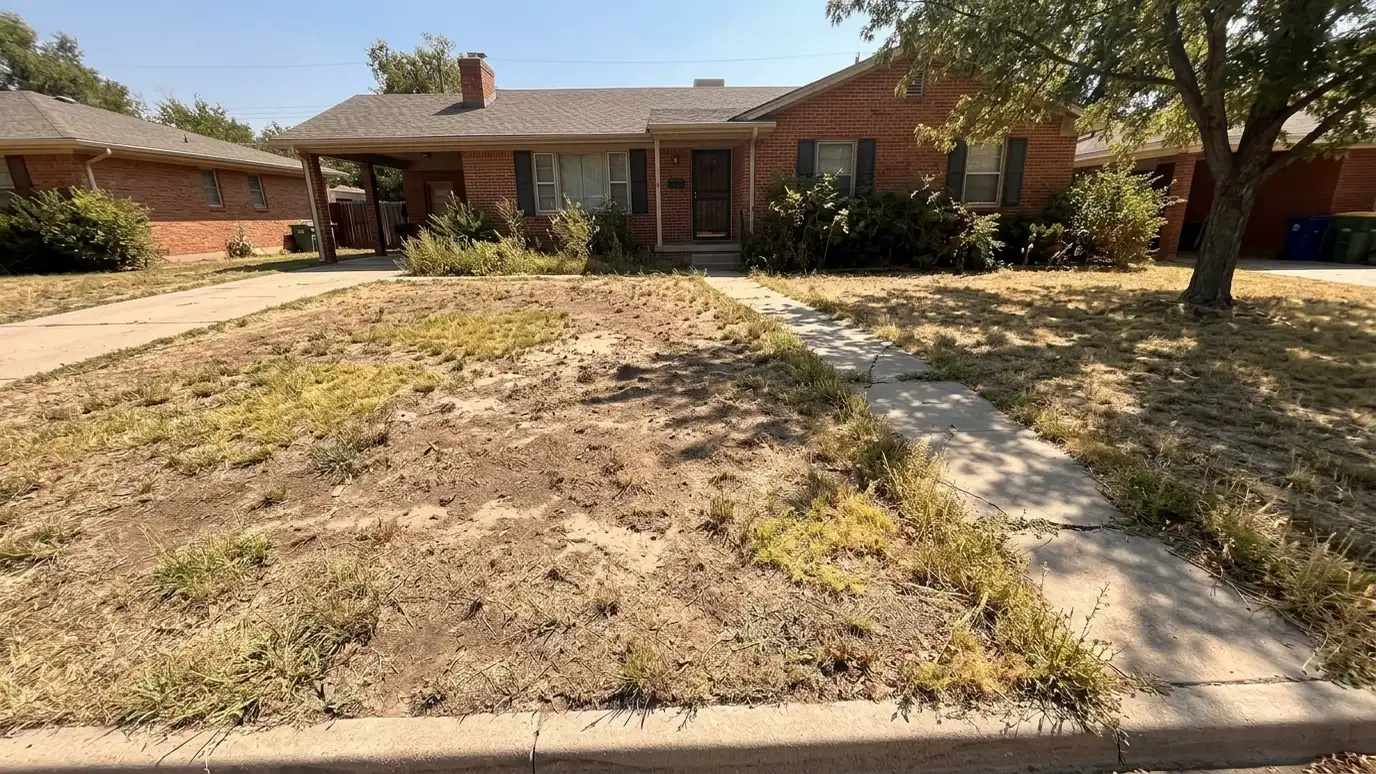 BeforeAfter
Roots go deeper.
Less runoff.
Plugs break down.
Fall or late spring.
Opens the turf.
Only when needed.
Every topic has its own page with what to expect and how we approach it.
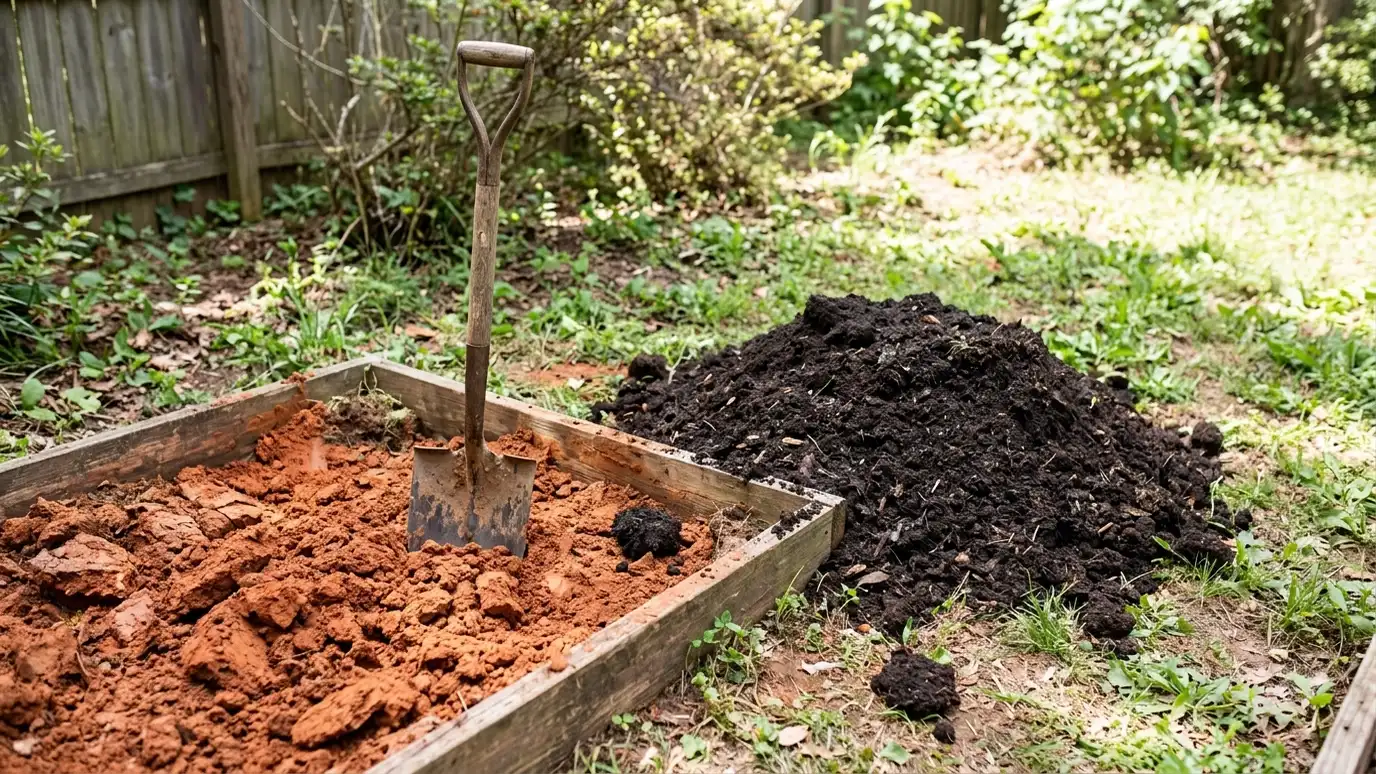 Site situationRed Clay and Poor SoilClay holds water, packs hard and starves roots. Here is how to amend it and choose plants that…Learn more
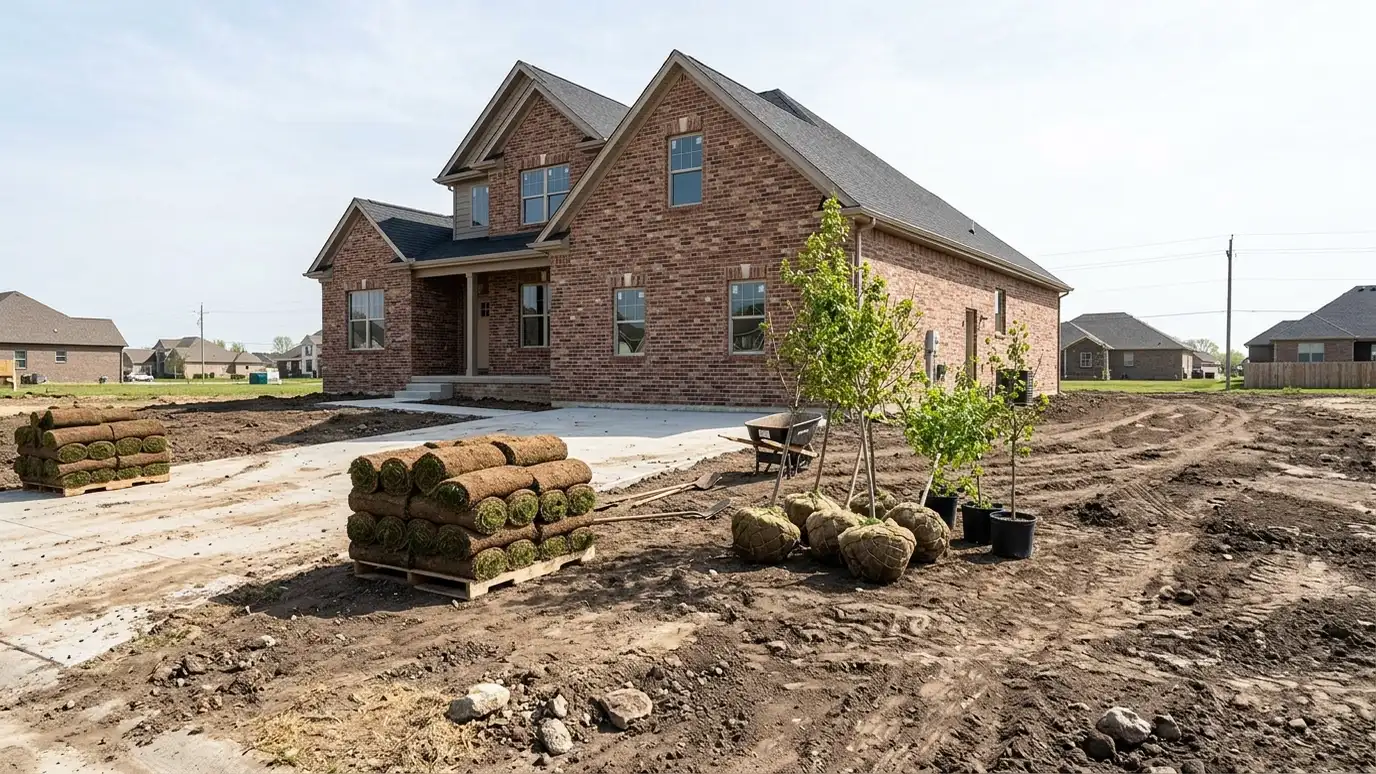 Site situationNew Construction YardsA new build starts with bare, compacted soil. Here is how to plan grading, drainage, sod and planting…Learn more
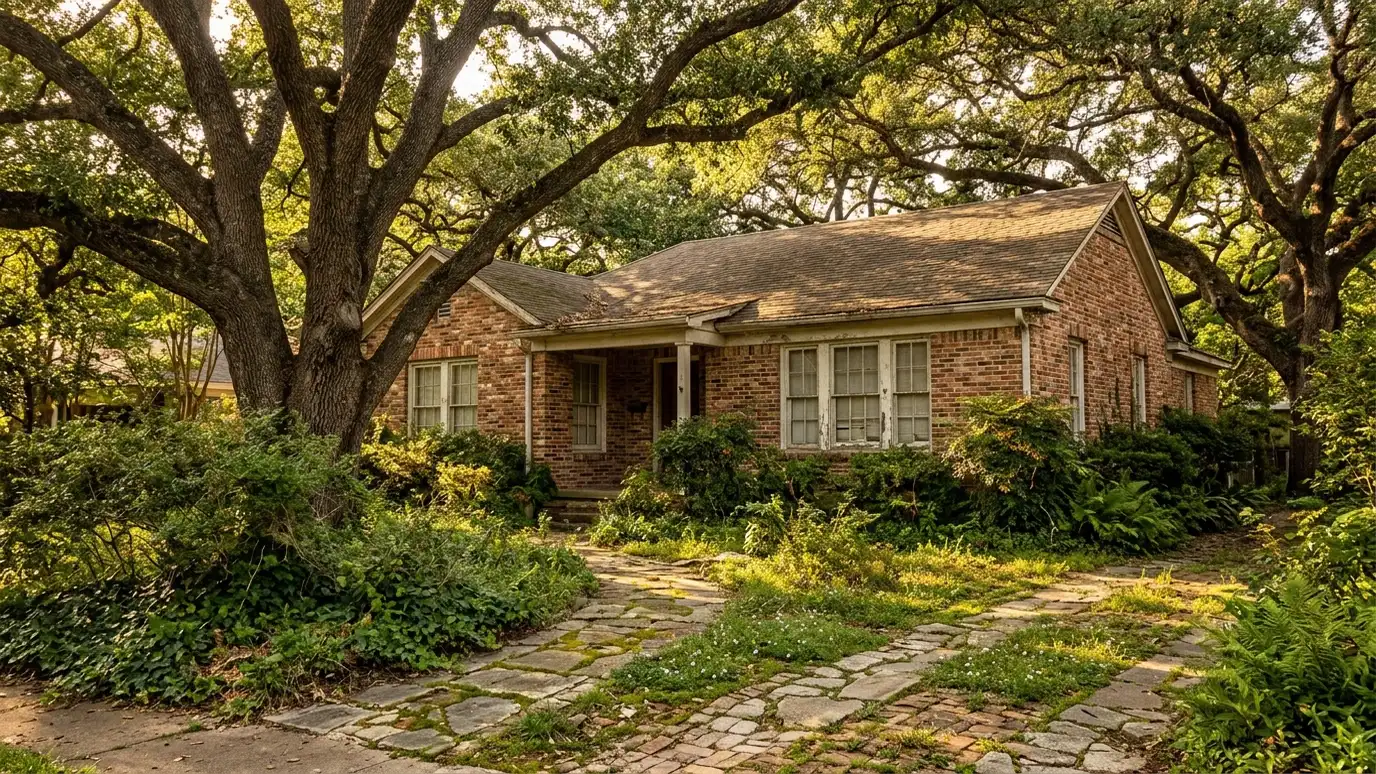 Site situationOlder Homes and Mature LandscapesOvergrown shrubs, big trees and tired beds call for careful renewal. Here is how to refresh an older…Learn more
Pick your grass type and yard features to get a seasonal calendar for feeding, seeding, pruning, mulching and cleanups.
You tell us about your yard and what you want, new landscaping, a lawn fix or a patio, and we set a visit that fits your day.
We walk the property, measure the areas and check sun, shade, soil, drainage and access, noting existing plants and anything worth keeping.
We explain your options for plants, materials and layout, sketch the design and give you a written scope with clear timing and pricing.
We arrange for underground utilities to be located, protect the house and lawn, remove what must go and rebuild the soil and base.
We install plants, sod, stone and lighting with the crew on site from the first delivery to the last load of mulch, keeping the site tidy as we go.
We walk you through watering and care, leave a simple guide, clean up and set a reminder for your first-season check.
Early fall for fescue and late spring for bermuda and zoysia.
Hard soil, puddling and thin grass are common signs.
Yes. They break down within a couple of weeks.
Normal watering is fine, and extra water helps if you seed.
Once a year is common for clay soil.
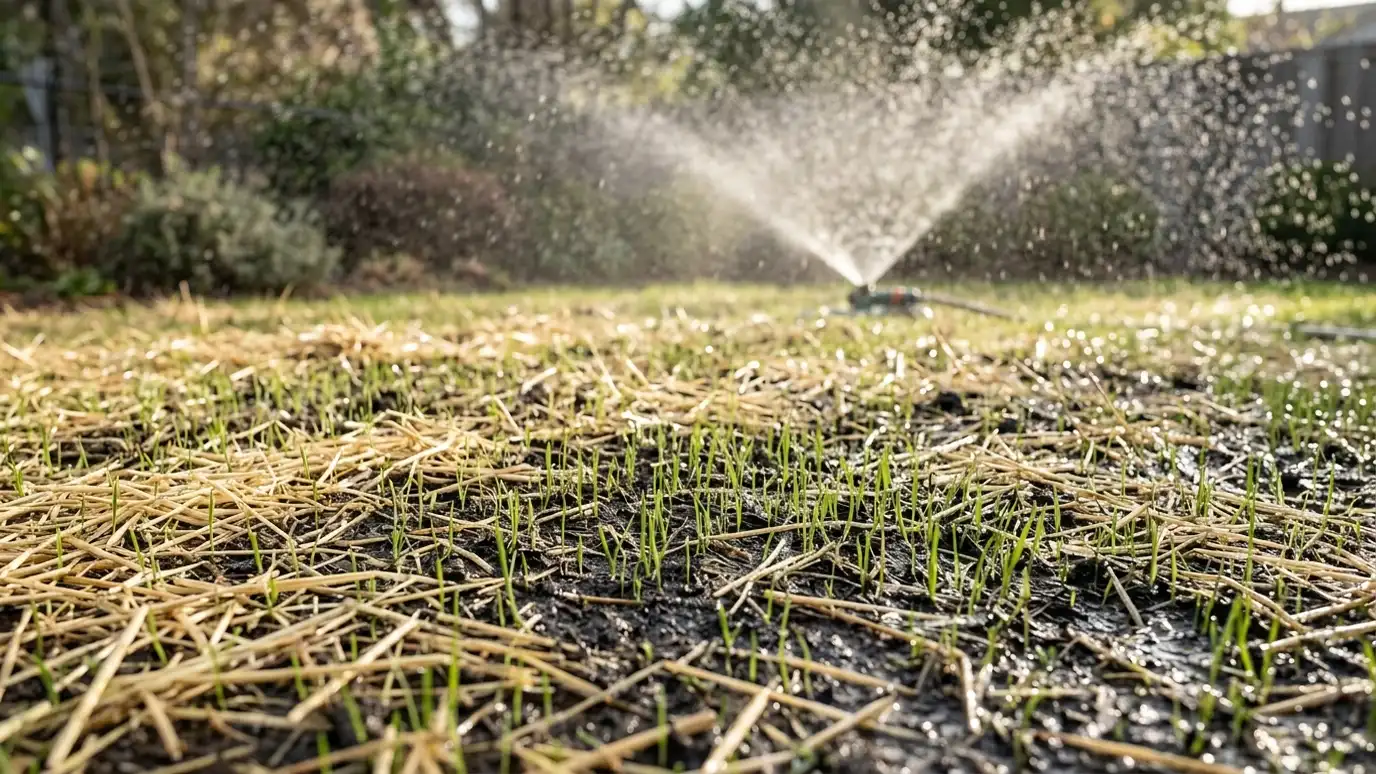 Seeding and OverseedingFall and spring seeding that thickens thin lawns and starts new ones, with slit seeding, starter feeding and…Explore
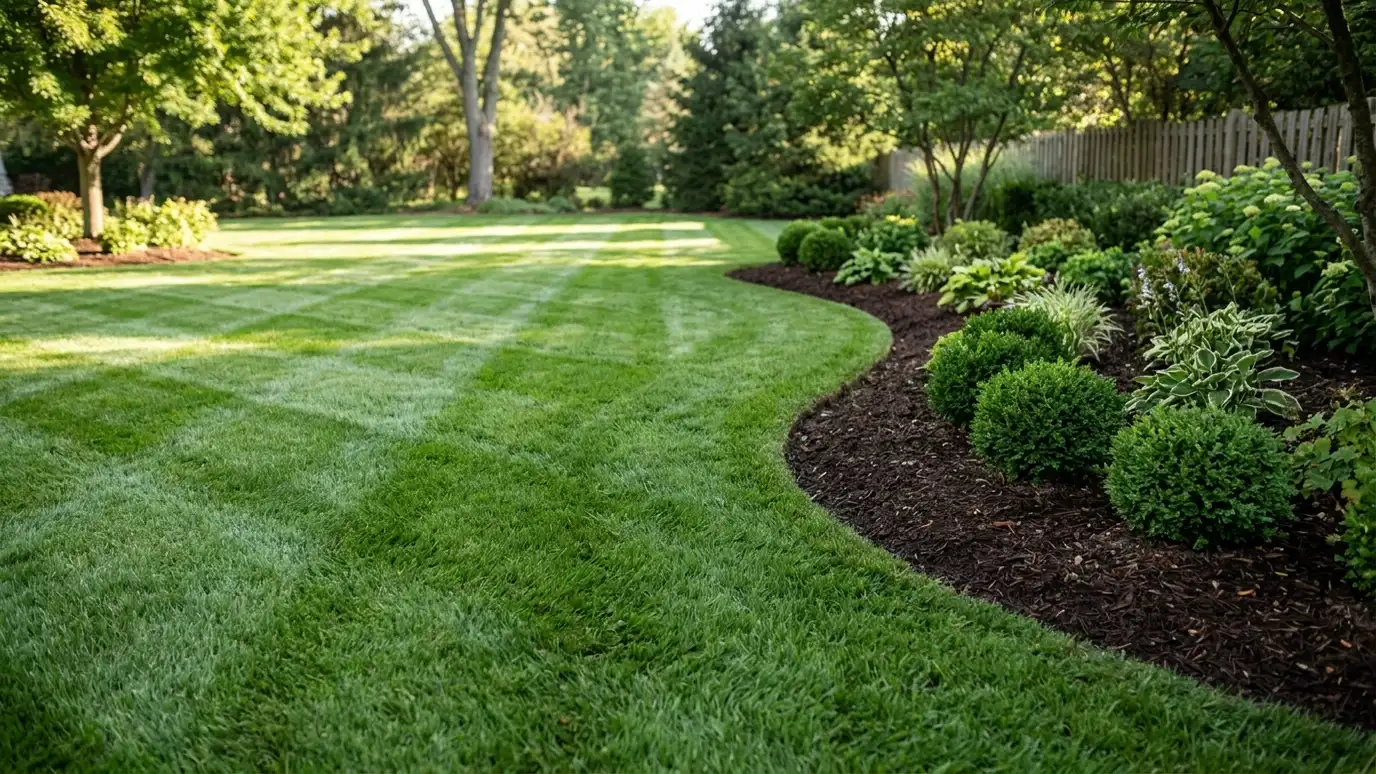 Lawn Care and FertilizationSeasonal lawn programs with fertilizer, pre-emergent, lime and soil-based feeding that build thick, green turf in Middle Tennessee.Explore
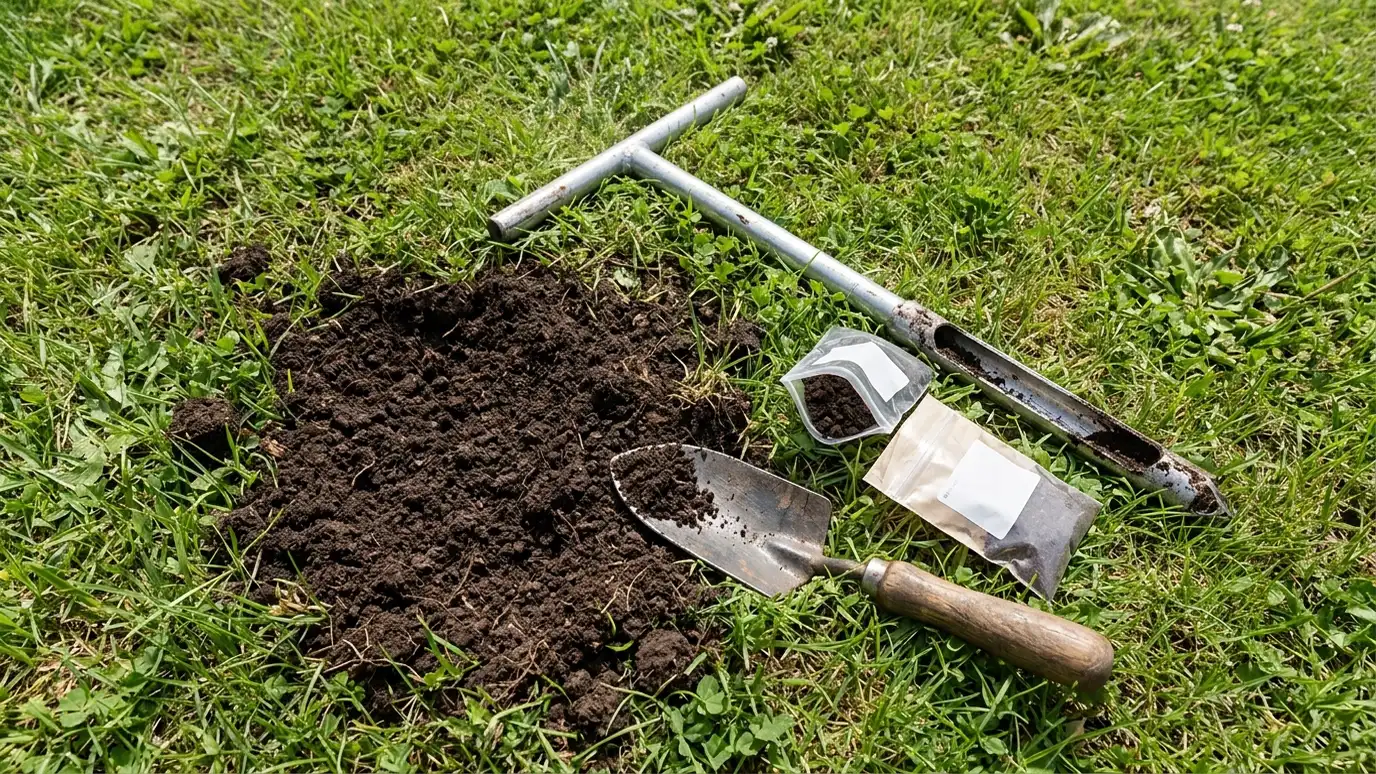 Soil Testing and AmendmentsSoil samples tested for pH and nutrients, then corrected with lime, compost and the right fertilizer for healthier…Explore
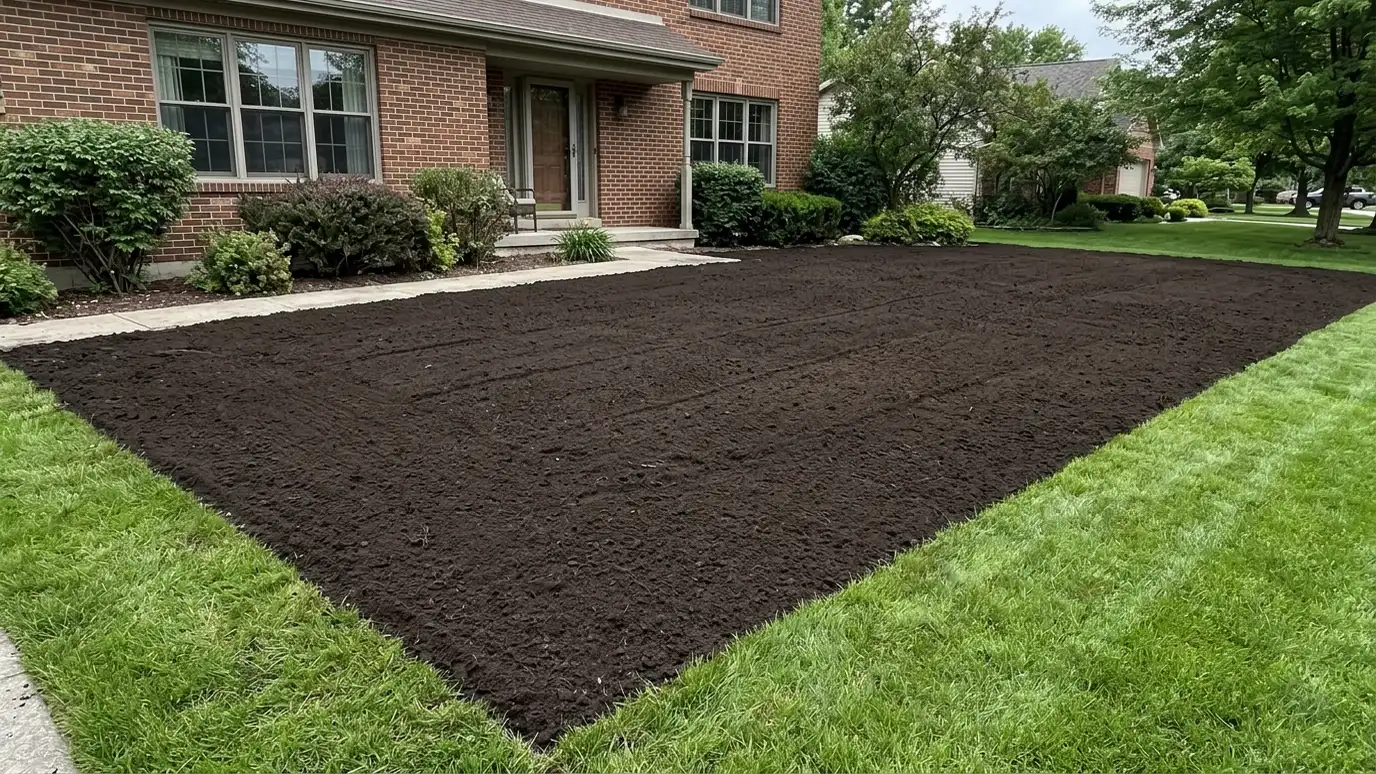 Grading and LevelingGrading, topsoil and leveling that fix bumps, low spots and runoff so lawns drain well and are smooth…Explore
Tell us about the project and we will call you back to talk it through.
Or call (615) 357-7797 to talk now.